资本入侵民生领域

Search documents
一只“臭虾王”炸出资本“天团”:50万学生午餐,成了谁的提款机?
Feng Huang Wang Cai Jing· 2025-09-27 13:19
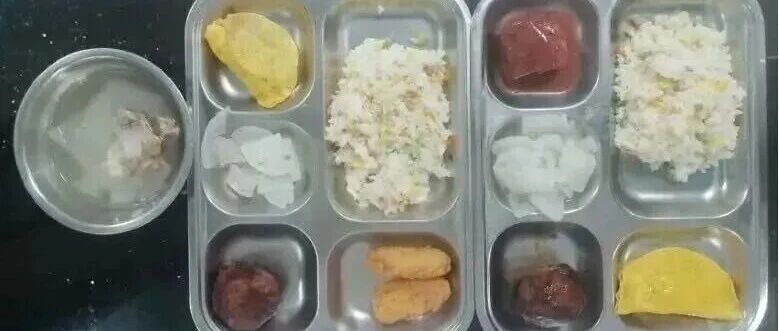
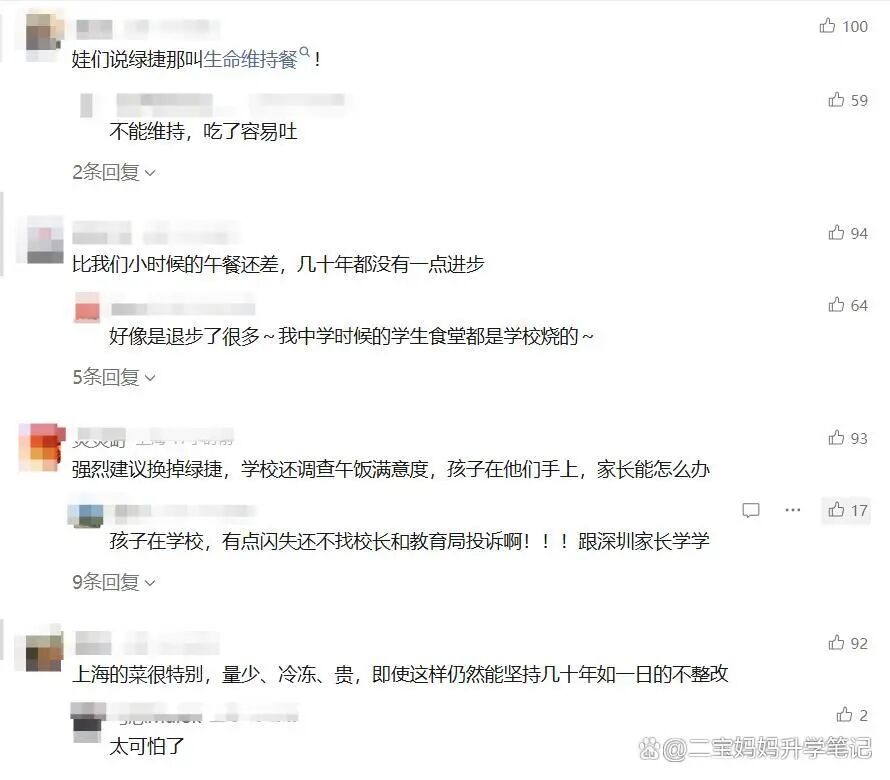
Core Viewpoint - The recent controversy surrounding Shanghai Green捷, a major supplier of student meals, highlights significant issues regarding food quality and safety in school lunches, leading to public outcry and demands for better meal options from parents [1][4][27]. Group 1: Company Overview - Shanghai Green捷, established in 2014, has grown to serve over 500 schools and kindergartens, providing more than 500,000 meals daily, capturing nearly 30% of the market share in Shanghai's school meal sector [4][5]. - The company was previously regarded as an "invisible champion" in the industry, with a reported revenue of 560 million yuan in 2017 and a net profit margin of 15.7%, significantly higher than many competitors [16][19]. Group 2: Recent Controversy - The incident began when a parent discovered spoiled shrimp in a school meal, leading to widespread complaints about the quality of food provided by Green捷, which has been criticized for using low-quality ingredients [1][5][27]. - Following the discovery, it was revealed that the company had been using pre-packaged and frozen foods, with over 60% of meals consisting of fried items, raising concerns about nutritional value and food safety [5][25]. Group 3: Capital and Ownership Structure - The ownership of Shanghai Green捷 involves complex offshore structures, with significant investments from major players like the Liu Yonghao family and Temasek, indicating a strong capital backing that prioritizes profit over food quality [4][12][13]. - The company has been accused of operating under a model that prioritizes cost-cutting, with meal costs reported at 6-8 yuan while charging 18 yuan per meal, leading to questions about where the profit margins are allocated [25][27]. Group 4: Market Impact and Future Prospects - The fallout from the food safety scandal has led to increased scrutiny of the company's operations, with potential implications for its parent company, KGF, which is seeking to go public [16][27]. - The rapid expansion of Green捷, with over 80 new contracts awarded since January 2025, raises concerns about the integrity of the bidding process and the quality of food being served to students [22][27].

一只“臭虾王”炸出资本“天团”:50万学生午餐,成了谁的提款机?
凤凰网财经· 2025-09-27 13:09
Core Viewpoint - The recent controversy surrounding Shanghai Green捷, a major supplier of student meals, highlights the issues of food quality and safety in school lunches, driven by profit motives and inadequate oversight [4][5][36]. Group 1: Background and Context - The incident began when a parent discovered spoiled shrimp in their child's school lunch, leading to widespread outrage among parents regarding the quality of meals provided by Shanghai Green捷, which supplies 500,000 student meals daily [1][4]. - Parents have long expressed dissatisfaction with school lunches, citing concerns over taste, healthiness, and freshness of ingredients, culminating in a petition for better meal options [1][6]. Group 2: Company Profile and Operations - Shanghai Green捷, established in 2014, has grown to dominate the Shanghai school meal market, serving over 500 schools and kindergartens, with a daily meal supply exceeding 500,000 portions [5][6]. - The company has been criticized for using low-quality ingredients, with reports indicating that over 60% of meals consist of pre-fried items and fresh vegetables are scarce [6][34]. Group 3: Financial Aspects and Capital Involvement - The meal pricing structure reveals a significant profit margin, with meal costs ranging from 6 to 8 yuan while being sold for 18 yuan, raising questions about the allocation of the remaining funds [4][34]. - Shanghai Green捷's financial performance has been strong, with revenues reaching 560 million yuan in 2017 and a net profit margin of 15.7%, significantly higher than many competitors [25][26]. Group 4: Regulatory and Safety Issues - The company faced scrutiny for allegedly concealing food safety issues, leading to an investigation by authorities after reports of students experiencing food-related illnesses [11][36]. - The response from Shanghai Green捷 to the food safety concerns was criticized as inadequate, with a brief apology lacking a clear plan for rectification [12][36]. Group 5: Capital Structure and Ownership - The ownership structure of Shanghai Green捷 involves complex offshore arrangements, with significant investments from major players like the Liu Yonghao family and Temasek, indicating a strong capital backing [21][22]. - The intertwining of ownership and operational roles raises concerns about accountability, as key figures in the company also have stakes in food supply businesses, leading to potential conflicts of interest [24][20]. Group 6: Implications for the Industry - The situation reflects broader issues within the food service industry, particularly in the context of school meals, where profit motives can compromise food quality and safety [36]. - The rapid expansion of Shanghai Green捷, evidenced by over 80 bidding records in 2025 alone, raises questions about the integrity of the bidding process and the quality of services provided [31][36].