
轨道交通安全管理

Search documents
“京”彩暖旅途丨坚守护归途 走近城市轨道“安全守夜人”
Xin Lang Cai Jing· 2026-02-19 13:46
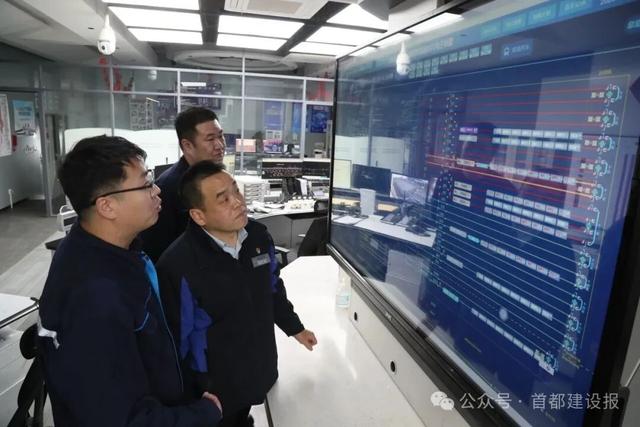
Core Viewpoint - The article highlights the dedication and responsibility of rail transit personnel, particularly during the busy Spring Festival period, emphasizing the importance of safety in urban transportation operations [1][15]. Group 1: Safety Management - The safety pressure increases during the Spring Festival due to concentrated passenger flow and low-temperature weather, necessitating rigorous equipment inspections and hazard checks [1][5]. - Continuous vigilance is essential in rail transit operations, as even minor issues can lead to significant consequences, ensuring safe and punctual train services during peak travel times [3][5]. Group 2: Professional Development - The transition from construction to operation roles has deepened the understanding of safety, transforming it from a mere checklist item to a critical aspect of passenger well-being [3][14]. - The implementation of a "professional integration" model has improved emergency response times from an average of 12 minutes to under 5 minutes, enhancing overall safety management [8][10]. Group 3: Technological Integration - The introduction of digital transformation and information platforms has enabled real-time sharing of passenger flow, equipment, and scheduling data, facilitating predictive maintenance and proactive risk management [12][14]. - The shift from reactive to predictive maintenance through big data analysis has improved efficiency and reduced risks in equipment management [12][14]. Group 4: Cultural Shift - A comprehensive training system has been established to cultivate both professional skills and a safety-conscious mindset among employees, fostering a culture where safety is a shared responsibility [14][15]. - The evolution of safety's significance from a duty to a mission reflects a deeper commitment to ensuring passenger safety and operational reliability [14][15].

轨道交通安全上“双保险”
Xin Lang Cai Jing· 2026-01-05 16:39
Core Viewpoint - The Chongqing Municipal Housing and Urban-Rural Development Committee has revised and officially released the "Chongqing Rail Transit Third-Party Monitoring Management Measures" and the "Chongqing Rail Transit Safety Protection Zone Management Measures" to enhance safety management throughout the lifecycle of rail transit projects, providing a "double insurance" for safe operations [1][2]. Group 1: Third-Party Monitoring Management Measures - The "Chongqing Rail Transit Third-Party Monitoring Management Measures" includes core elements such as management responsibilities, monitoring plans, implementation, early warning, and supervision [1]. - Rail transit construction projects are required to conduct third-party monitoring of both the project itself and the surrounding environment, with dynamic monitoring mandated for other construction activities within the safety protection zone that may impact rail transit structures [1]. - Third-party monitoring units must establish project organizations before monitoring implementation, ensure safety quality management systems are in place, and that monitoring personnel possess the necessary professional qualifications [1]. Group 2: Early Warning Regulations - The measures stipulate that third-party monitoring units must immediately issue early warning information when monitoring data reaches warning standards or when site inspections reveal anomalies that threaten the safety of rail transit structures [2] [3]. Group 3: Safety Protection Zone Management Measures - The "Chongqing Rail Transit Safety Protection Zone Management Measures" defines the specific boundaries of safety protection zones, including areas around underground stations, ground stations, and structures such as substations and control centers [2]. - Strict control processes are established for construction activities within safety protection zones, generally prohibiting new construction, reconstruction, or expansion unless special circumstances arise, requiring prior written consent from the municipal housing and urban-rural development committee [3]. - Construction units must develop a rail transit protection plan before starting projects, which must be approved by the rail transit construction or operation unit and filed with the municipal housing and urban-rural development committee [3].