
逆向移民

Search documents
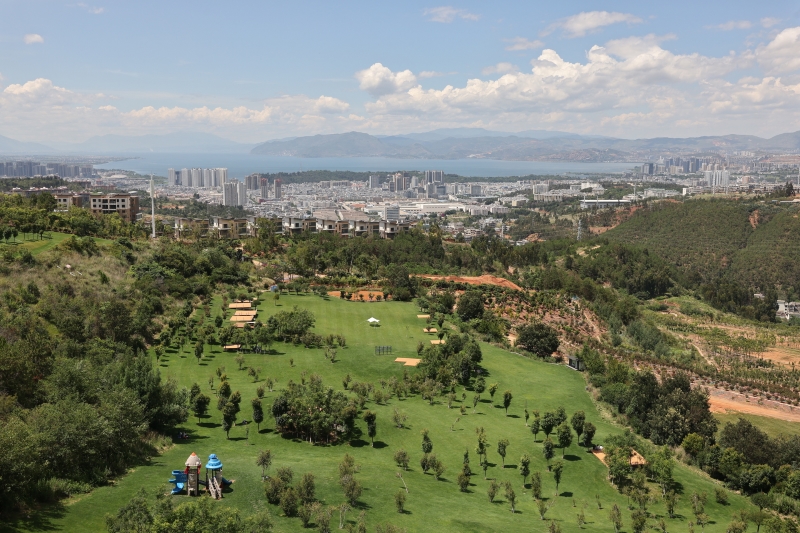
一个“牛津英国人”眼中聚集了无数“逃离者”的大理
Di Yi Cai Jing· 2025-10-31 01:32
Core Perspective - The narrative of "Dali One Year" transcends a mere Chinese story, addressing a global issue of how modern society's pressures and anxieties compel individuals to seek meaning between escape and dependence [1][16]. Group 1: Urban Middle-Class Trends - The book illustrates a trend of urban middle-class individuals returning to rural areas, particularly in China, as a lifestyle choice influenced by historical movements and modern pressures [2]. - Since 2011, the urban population in China has surpassed the rural population, leading to a reversal of migration trends where many middle-class individuals are relocating to places like Dali and Lijiang to escape urban stress [2][4]. - This "reverse migration" is characterized by a desire to create alternative lifestyles in rural settings, often imbued with self-redemption and Bohemian elements [2][5]. Group 2: Cultural and Historical Context - The return-to-nature theme has deep historical roots in both Western and Chinese societies, with romanticism in the 18th and 19th centuries and the counterculture movements of the 20th century reflecting similar desires for rural life [4][5]. - In the West, the rise of remote work and digital nomadism has led to a renewed interest in rural living, albeit with the risk of "gentrification" altering the original social fabric of these communities [5][11]. Group 3: Local and Expat Interactions - The narrative contrasts the lives of local Bai residents with those of newcomers, highlighting two parallel worlds: one focused on utopian experiments and the other on practical economic choices [6][11]. - Local residents engage in tourism and cultural consumption, while newcomers often seek spiritual or lifestyle fulfillment, creating a complex interplay between the two groups [6][11]. Group 4: The Search for Meaning - Individuals arriving in Dali are often in search of a new identity or belief system, engaging in practices like yoga, meditation, and sustainable farming, reflecting a quest for inner peace [6][10]. - The author, while observing these dynamics, grapples with his own existential questions, revealing a shared psychological struggle among those seeking meaning in their lives [9][12]. Group 5: The Illusion of Escape - The allure of Dali as a sanctuary is often met with the reality that many who vow to stay eventually return to urban life, indicating the transient nature of such escapes [16]. - The narrative suggests that while Dali offers moments of belonging, the ultimate quest for meaning and stability remains elusive, resonating with broader human experiences of displacement and longing [16].

美媒:“逆向移民”,非裔美国人去肯尼亚创业
Huan Qiu Shi Bao· 2025-07-29 22:57
Core Viewpoint - The article discusses the phenomenon of reverse migration, where African Americans are relocating to Kenya and other African countries, seeking a sense of belonging and connection to their ancestral roots, driven by the current political climate in the United States [1][2]. Group 1: Migration Trends - Many African Americans, like Kenneth Harris, are moving to Kenya, viewing it as a way to reconnect with their heritage and culture [1]. - The trend includes individuals starting businesses such as travel agencies, restaurants, and farms in Nairobi, indicating a growing community of African Americans in Kenya [1]. - The migration is partly influenced by the perception of a fractured social structure in the U.S., prompting individuals like Austin Hollman to seek a more inclusive environment in Kenya [2]. Group 2: Economic Implications - The influx of African Americans could benefit African economies, particularly in regions that are committed to combating corruption and improving the investment climate [2]. - The United Nations Human Settlements Programme expert, Rafael Obonyo, notes that the U.S. is losing talent and resources, which undermines the narrative of America as a land of dreams and opportunities [2].
