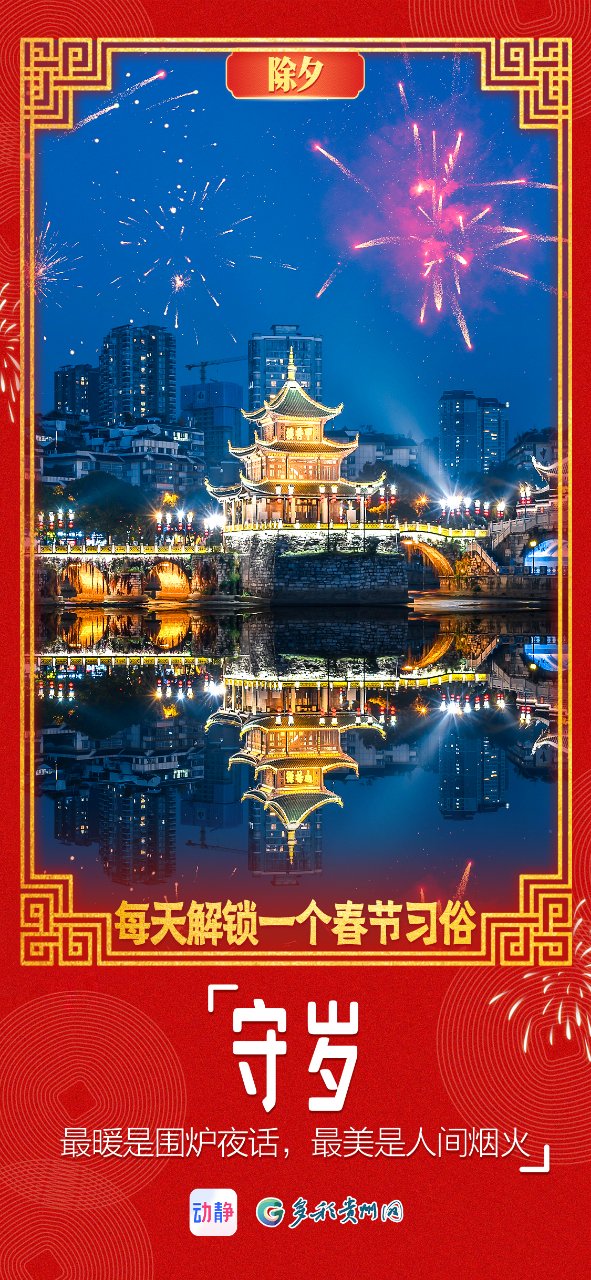
除夕守岁

Search documents
古代人没手机,到底靠啥熬过大年夜?
Xin Lang Cai Jing· 2026-02-16 17:15
Group 1 - The core idea of the articles revolves around the tradition of "Shou Sui" (守岁), which is the practice of staying awake on New Year's Eve to welcome the new year and bid farewell to the old one, a custom that dates back to the Han Dynasty [2][28] - The term "Shou Sui" signifies not just staying awake but also symbolizes family unity and the hope for a prosperous new year, reflecting deep cultural significance [12][28] - Various customs associated with Shou Sui include lighting candles to ward off evil spirits, which is believed to bring good fortune for the coming year [6][28] Group 2 - The practice of Shou Sui is not unique to China; similar customs exist in countries like Japan, Vietnam, and Thailand, indicating the widespread cultural importance of welcoming the new year [4] - Different regions in China have unique Shou Sui customs, such as Northern families making dumplings at midnight, symbolizing the transition into the new year, while Southern families often prepare glutinous rice balls for family unity [16][17] - Historical records show that even emperors participated in Shou Sui, albeit with more formal rituals and less leisure, highlighting the tradition's significance across social classes [24][26]

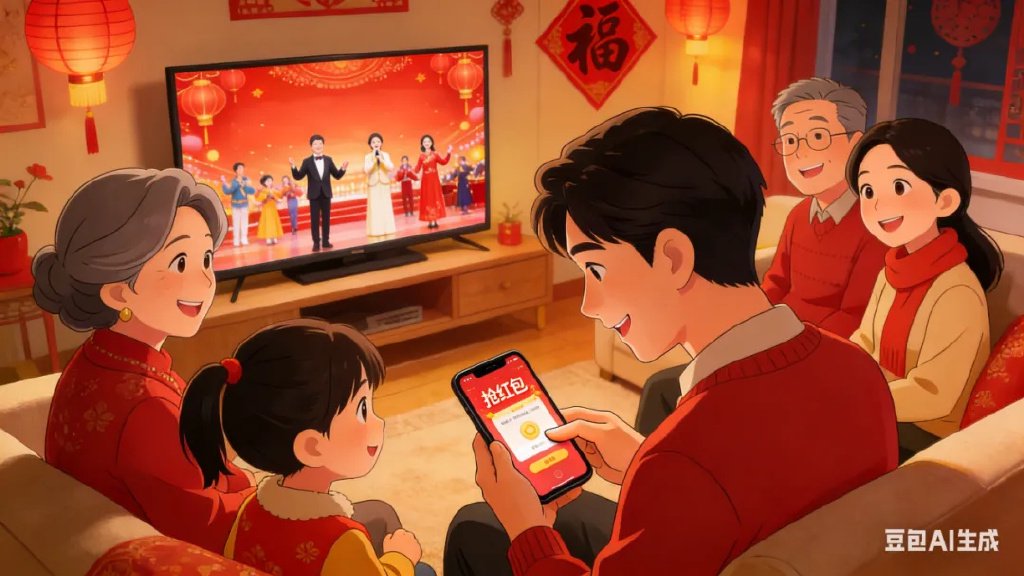
每天解锁一个春节习俗丨除夕守岁:最暖是围炉夜话,最美是人间烟火
Xin Lang Cai Jing· 2026-02-16 01:30
Group 1 - The article highlights the significance of the Spring Festival, emphasizing the blend of family reunion, cultural rituals, and the transition from the old year to the new [1][4] - It describes the traditional practices during the festival, such as preparing festive meals, decorating with couplets, and the custom of "staying up" on New Year's Eve to welcome the new year [4] - The act of giving red envelopes with money symbolizes blessings and good fortune, reinforcing familial bonds and the warmth of togetherness during the celebrations [4]