春节习俗

Search documents
大年初四习俗太务实:“扔穷”与“折罗”
Xin Lang Cai Jing· 2026-02-20 06:13
Group 1 - The core idea of the article emphasizes the practicality of the fourth day of the Lunar New Year, which is characterized by the customs of "throwing away poverty" and "folding leftovers" [1] - The article highlights that the fourth day is often seen as the least festive day of the Spring Festival, focusing on returning to daily life and embracing a mindset of frugality and diligence [1] - It reflects on the ancient wisdom of valuing hard work and thriftiness, suggesting that this day allows individuals to reconnect with the deeper cultural roots of the New Year celebrations [1]
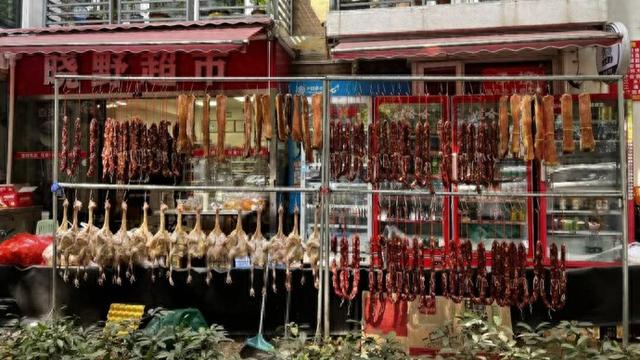
武汉的腊肉阵,热烈地奔向春节,奔赴春天
Xin Lang Cai Jing· 2026-02-19 08:40
Core Viewpoint - The article highlights the cultural significance and vibrant presence of cured meats, particularly in Wuhan, as a seasonal tradition that symbolizes warmth and community during winter and the lead-up to the Spring Festival [12]. Group 1: Cultural Significance - The cured meat display, referred to as "腊肉阵," is a prominent winter phenomenon in Wuhan, showcasing a variety of cured products such as sausages, fish, and meats, which are hung on balconies and public spaces [5][7]. - The tradition of curing meat has deep historical roots in Wuhan, with references dating back to ancient times, indicating its longstanding importance in local culture and cuisine [8][9]. Group 2: Community Engagement - The preparation and display of cured meats have become a community event, with many families participating in the process, reflecting a collective joy and anticipation for the upcoming Spring Festival [7][11]. - Local markets and small supermarkets are bustling with activity as residents purchase large quantities of cured meats, indicating a high demand and the cultural relevance of these products during the festive season [11]. Group 3: Economic Impact - The cured meat industry in Wuhan has evolved, with modern conveniences allowing for easier production, processing, and sales, contributing to the local economy [11]. - The article notes that local businesses are thriving due to the seasonal demand for cured meats, with some vendors reporting they are unable to keep up with the volume of orders [11].

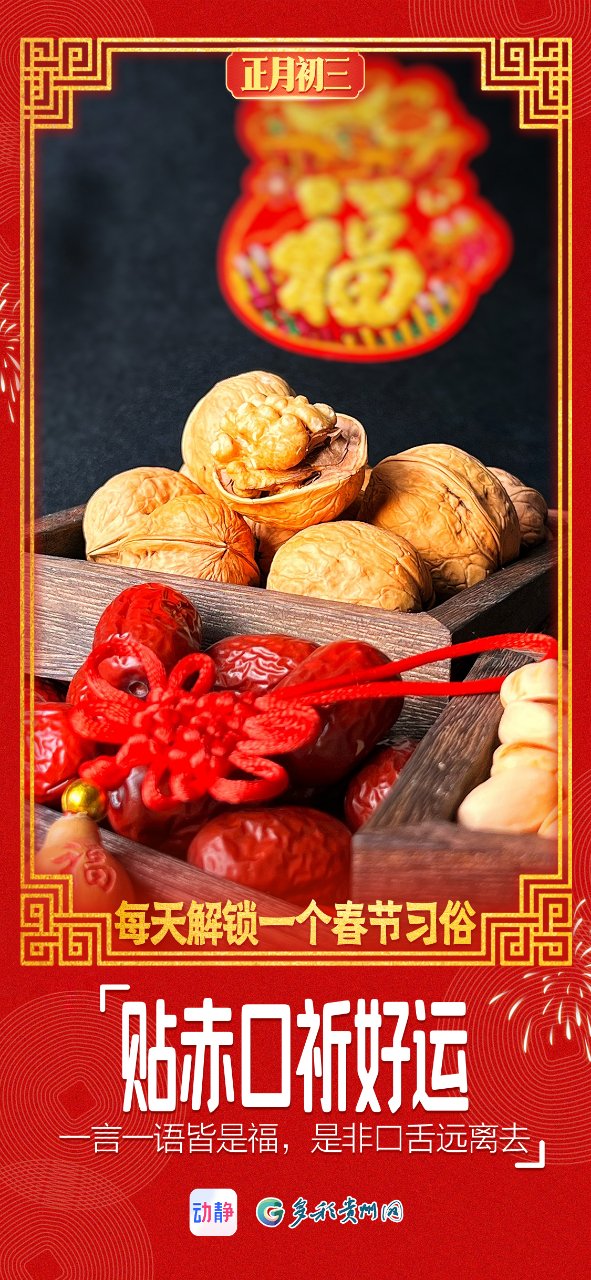
每天解锁一个春节习俗丨初三贴赤口祈好运:一言一语皆是福,是非口舌远离去
Xin Lang Cai Jing· 2026-02-19 02:32
Group 1 - The article discusses the significance of the third day of the Lunar New Year, known as "Chì Gǒu Rì" or "Little New Year," which is traditionally considered a day to avoid conflicts and not to visit others [3] - It highlights the custom of "burning door god paper," symbolizing the end of the festive period, and how modern interpretations have transformed this into a "stay-at-home day" [3] - The article emphasizes the importance of balancing celebration and tranquility during the New Year, suggesting activities like resting, organizing gifts, and enjoying family time [3]
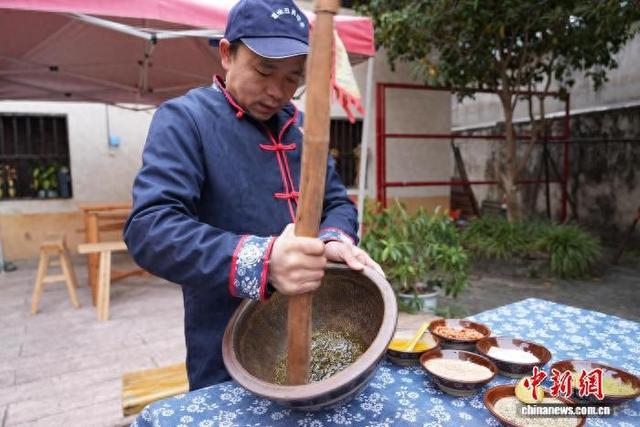
(寻味中华|节令)雨水逢新岁 团聚话年丰
Xin Lang Cai Jing· 2026-02-18 01:54
Group 1 - The article discusses the significance of the "Rain Water" solar term, which falls on February 18 this year, coinciding with the second day of the Lunar New Year, enhancing the festive atmosphere [1] - The "Rain Water" solar term symbolizes the transition from winter to spring, with natural phenomena such as the return of migratory birds and the awakening of plant life [1] - In various Chinese cultural practices, the second day of the Lunar New Year, known as "Return to the Mother's Home," is a time for family reunions, particularly for married daughters visiting their parental homes [1] Group 2 - In the Hakka region of southern Jiangxi, the arrival of spring rain is an ideal time for making "Lei Cha," a traditional tea that involves a meticulous preparation process, reflecting the cultural importance of this beverage [3] - The preparation of "Lei Cha" takes over an hour and includes grinding tea leaves, ginger, and peanuts, symbolizing good fortune and prosperity during the festive season [3] - Water plays a crucial role in traditional craftsmanship, particularly in the production of porcelain in Jingdezhen, where it is essential for mixing clay and adjusting glaze consistency [3][4] Group 3 - The article highlights the artistic inspiration derived from the "Rain After the Clear Sky" phenomenon, which influences the creativity of Jingdezhen artisans [4] - The "Rain After the Clear Sky" glaze color is challenging to achieve, requiring precise control over materials and firing conditions, and has become a symbol of elegance in porcelain [4][6] - The seasonal transition from "Great Cold" to "Rain Water" reflects the wisdom of ancient agricultural practices and the respect for nature inherent in Chinese culture [7]
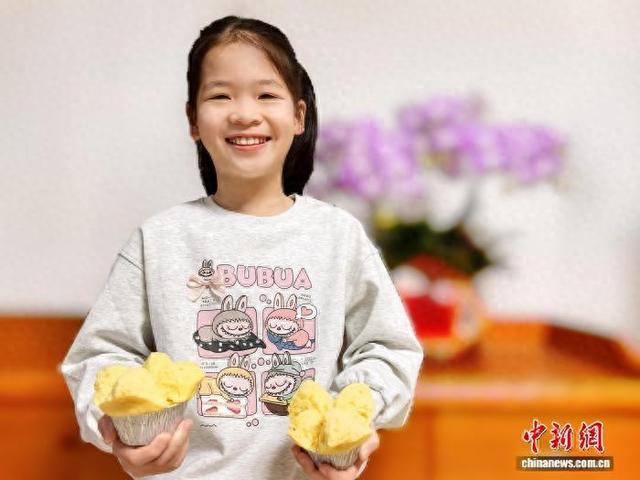
(新春见闻)广东台山人的年味:炊发糕祈福新年“大赚大发”
Xin Lang Cai Jing· 2026-02-17 11:12
Group 1 - The article highlights the cultural significance of "steamed rice cake" (发糕) among the people of Taishan, Guangdong, especially during the Lunar New Year, symbolizing prosperity and reunion [1][3] - The preparation of steamed rice cake has become a cherished tradition for both local residents and overseas Taishan people, with many showcasing their homemade versions through video calls [1][5] - The ingredients and methods for making the steamed rice cake are shared, emphasizing the use of specific items like eggs, sugar, and flavored soda, which contribute to the cake's unique texture and appearance [3][5] Group 2 - The article describes the joy and nostalgia associated with making and consuming steamed rice cake, particularly among families separated by distance, reinforcing a sense of community and cultural identity [6] - The process of making the cake involves careful attention to cooking techniques, such as controlling the heat and ensuring proper sealing of the cooking vessel, which affects the final product [5][6] - The article captures the excitement of children participating in the tradition, highlighting the intergenerational transmission of culinary skills and the emotional connection to home [6]
大年初一,拜年了!
Xin Lang Cai Jing· 2026-02-17 01:47
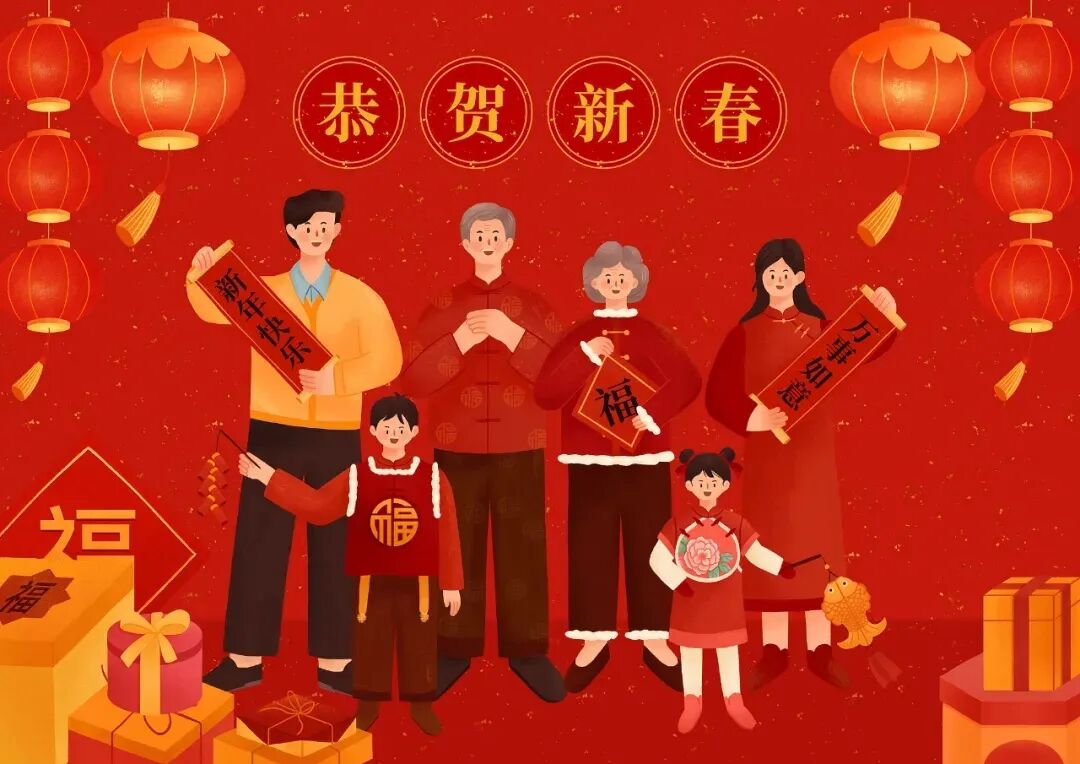
Group 1 - The first day of the lunar calendar, known as the Spring Festival, is celebrated as the New Year, commonly referred to as "Guo Nian" or "Guo Da Nian" in folk terms [1] - New Year celebrations include various customs, with the act of paying New Year visits being a central element, symbolizing the transition from the old year to the new [3] - Children eagerly anticipate receiving "Ya Sui Qian" (lucky money) during the New Year celebrations, which is a traditional practice [4] Group 2 - There are several customs and taboos associated with the first day of the New Year, such as not using brooms, as it is believed to sweep away fortune [6] - Other prohibitions include not breaking dishes, using knives or scissors, sewing, and throwing water outside, all aimed at ensuring good luck for the year ahead [6] - These customs, while lacking scientific basis, are observed for the sake of good fortune and a smooth year ahead [6]
年年今夜,愿新年,胜旧年
Xin Lang Cai Jing· 2026-02-16 07:46
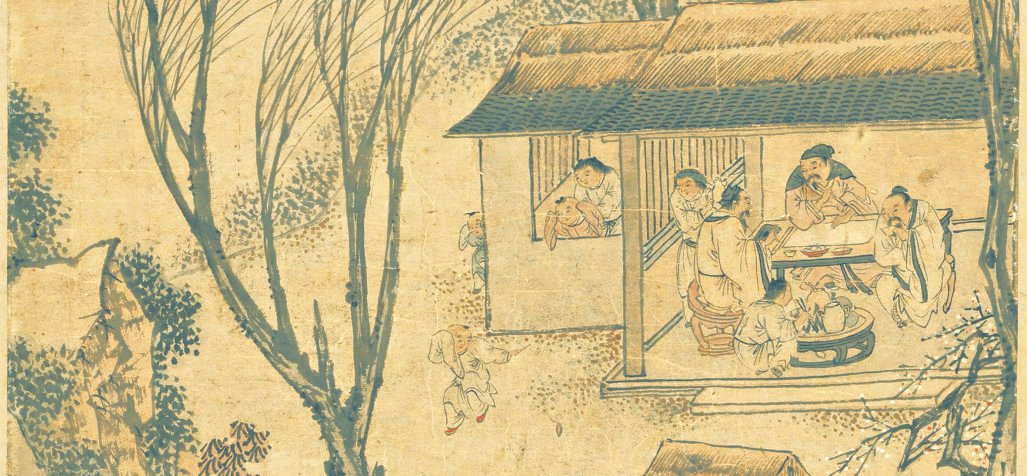
Core Viewpoint - The article explores traditional Chinese New Year customs, emphasizing the significance of rituals and celebrations during the Spring Festival, particularly on New Year's Eve and New Year's Day, highlighting the themes of renewal and family togetherness. Group 1: New Year's Eve Customs - The tradition of cleaning the house to welcome the new year is highlighted, symbolizing the removal of the old and the welcoming of the new [3] - Rituals such as offering sacrifices to deities and ancestors are described, reflecting the importance of family and spiritual connections during this time [4] - The significance of family gatherings for the New Year's Eve dinner is emphasized, showcasing the joy of sharing meals and the custom of leaving food in the bowl as a sign of abundance [4] - The practice of giving "lucky money" to children is mentioned, illustrating the joy and excitement of the younger generation during the celebrations [4] Group 2: New Year's Day Customs - The first day of the new year is considered a time for divination regarding agricultural prospects, with various weather conditions interpreted as omens for the year's harvest [11] - The custom of visiting relatives and friends to exchange New Year greetings is discussed, with ancient blessings reflecting deeper cultural values and aspirations for prosperity and harmony [12] - The evolution of greeting practices from personal visits to sending greeting cards is noted, indicating changes in social customs over time [13]
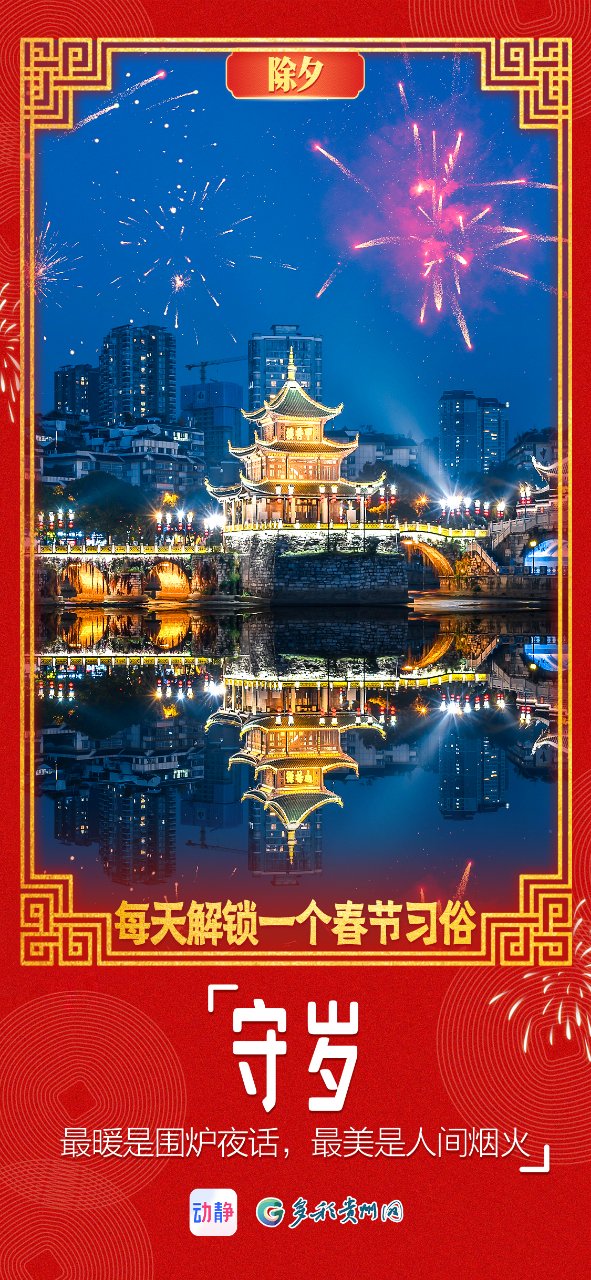
每天解锁一个春节习俗丨除夕守岁:最暖是围炉夜话,最美是人间烟火
Xin Lang Cai Jing· 2026-02-16 01:30
Group 1 - The article highlights the significance of the Spring Festival, emphasizing the blend of family reunion, cultural rituals, and the transition from the old year to the new [1][4] - It describes the traditional practices during the festival, such as preparing festive meals, decorating with couplets, and the custom of "staying up" on New Year's Eve to welcome the new year [4] - The act of giving red envelopes with money symbolizes blessings and good fortune, reinforcing familial bonds and the warmth of togetherness during the celebrations [4]
春启新章,岁承古意
Xin Lang Cai Jing· 2026-02-15 07:28
Core Viewpoint - The article reflects on the significance of the Spring Festival in Chinese culture, emphasizing its deep-rooted traditions and the emotional connections it fosters among people, regardless of their circumstances or locations. Group 1: Historical Context - The Spring Festival has evolved from ancient rituals of ancestor worship and offerings to deities, marking a time of joy and celebration for the hardworking populace [2] - The establishment of the "Taichu Calendar" during the Han Dynasty fixed the timing of the Spring Festival and incorporated the 24 solar terms, leading to the formation of various customs that have been passed down through generations [2] Group 2: Cultural Practices - Traditional customs associated with the Spring Festival include setting off firecrackers, worshipping the Kitchen God, family reunions, and festive drinking, which continue to be observed today [2] - The vibrant market scenes during the festival, characterized by decorations and the purchase of new clothes and goods, reflect the communal spirit of celebration that transcends social classes [2] Group 3: Literary Reflections - The emotional depth of the Spring Festival is captured in poetry across generations, illustrating themes of renewal, familial bonds, and the passage of time [3] - Notable poems express the grandeur of royal celebrations, the warmth of family gatherings, and the bittersweet nature of time's relentless march, highlighting the festival's role in both collective and individual experiences [3]
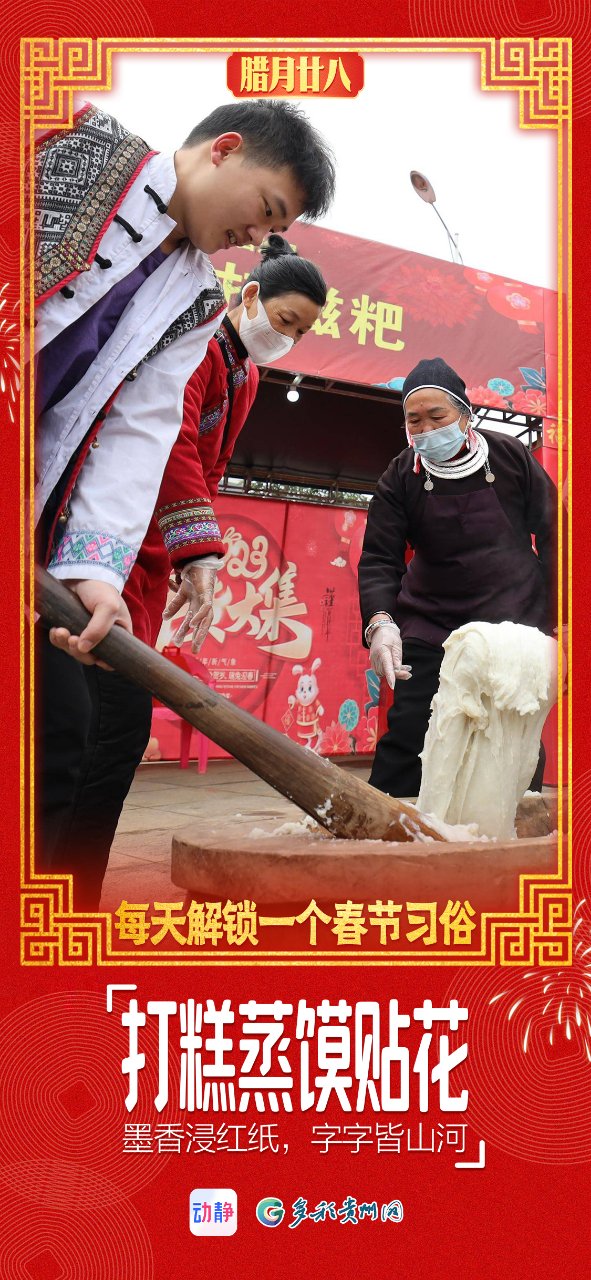
每天解锁一个春节习俗丨腊月廿八打糕蒸馍贴花:年味,从指尖的面香开始
Xin Lang Cai Jing· 2026-02-15 04:14
Group 1 - The essence of the Spring Festival is captured in the nine days from the 28th day of the twelfth lunar month to the seventh day of the first lunar month, highlighting family reunions and the transition from the old year to the new [1] - The preparation of traditional foods, such as steamed buns and cakes, symbolizes hope and prosperity, with various shapes representing different wishes for the coming year [4] - The process of making these foods is described as a slow prayer, reflecting the anticipation and fullness of life during this festive season [4]