
除夕诗词

Search documents
新民艺评|韩可胜:除夕读诗,万里乾坤一夜新
Xin Lang Cai Jing· 2026-02-16 06:47
Core Viewpoint - The article discusses the significance of the Chinese New Year's Eve (除夕) and explores various themes found in poetry related to this special occasion, highlighting the emotional and cultural aspects associated with it [3]. Group 1: Themes in Poetry - The first theme is homesickness, illustrated by the poem "除夜作" by Gao Shi, expressing the sorrow of being away from home during this festive time [6]. - The second theme is staying up late (守岁), a tradition where people await the new year, with notable poems from historical figures like Xu Junqian and Li Shimin emphasizing the importance of this custom [8]. - The third theme reflects on the passage of time and life, with poets like Chen Shidao and Wen Zhengming expressing feelings of aging and unfulfilled aspirations [10][11]. - The fourth theme encompasses a sense of relaxation and optimism, with poets like Lu You and Wang Anshi celebrating the transition from the old year to the new [11]. Group 2: Cultural Practices - The practice of pasting Spring Festival couplets (春联) on New Year's Eve is highlighted as an essential ritual for welcoming the new year, with a classic couplet emphasizing the harmony between nature and humanity [13].

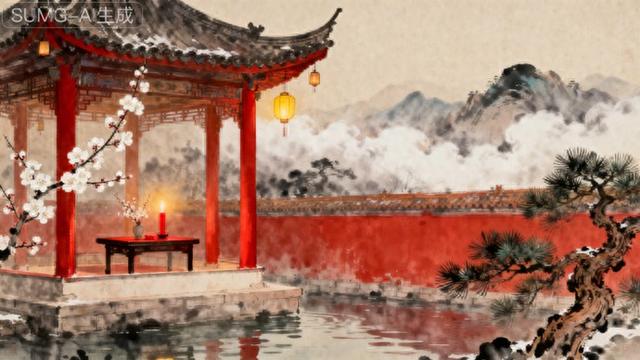
除夕读诗,万里乾坤一夜新
Xin Lang Cai Jing· 2026-02-16 06:47
Group 1 - The core theme of the article revolves around the significance of the Chinese New Year's Eve, known as "除夕," which symbolizes the transition from the old year to the new one and evokes deep feelings of nostalgia and reflection on life [1][2] - The first theme identified in the poetry related to New Year's Eve is homesickness, with notable examples including the poem by Gao Shi, which expresses the sorrow of being away from home during this special time [1] - The second theme is the tradition of staying up late on New Year's Eve, known as "守岁," where people await the arrival of the new year, highlighted by various poets who capture the essence of this custom [1] - The third theme reflects on the passage of time and the fleeting nature of life, with poets expressing their thoughts on aging and unfulfilled aspirations, showcasing a more introspective side of New Year's Eve [2] - The fourth theme presents a sense of optimism and celebration, with poets expressing joy and contentment during the transition to the new year, emphasizing the festive spirit associated with New Year's Eve [2] Group 2 - The article discusses the tradition of posting Spring Festival couplets on New Year's Eve, which is an essential part of welcoming the new year, with the most notable couplet being "天增岁月人增寿,春满乾坤福满门," symbolizing blessings and prosperity [2]