
春联

Search documents
年货出海,“中国红”正当潮
Ren Min Ri Bao Hai Wai Ban· 2026-02-27 02:31
Core Insights - The article highlights the global popularity of Chinese New Year products, showcasing how items like lanterns, flowers, and traditional clothing are being sold overseas, enhancing cultural exchange and fulfilling the nostalgia of overseas Chinese [1][2]. Group 1: Market Trends - The demand for Chinese New Year goods has surged, with orders for these products increasing by 20-30% compared to the previous year, indicating a growing interest not only among Chinese expatriates but also among local populations in various countries [2]. - The logistics of exporting these goods have improved significantly, with cold chain logistics ensuring the freshness of products like flowers, which are transported efficiently to destinations such as Kazakhstan [3][4]. Group 2: Cultural Exchange - The article emphasizes the cultural significance of these products, noting that items like lanterns serve as symbols of nostalgia for overseas Chinese and as tangible representations of Chinese culture for foreign friends [2]. - In various countries, traditional Chinese cultural elements are being integrated into local festivities, with products like zodiac-themed decorations and traditional crafts gaining popularity among non-Chinese consumers [7][8]. Group 3: Logistics and Distribution - The use of the China-Europe Railway Express has been highlighted as a cost-effective and efficient method for transporting goods, reducing shipping time by 20 days compared to sea freight and lowering costs by two-thirds compared to air freight [4]. - The establishment of a comprehensive cold chain logistics system has facilitated the export of a wide variety of fresh products, paving the way for future growth in the market for fresh produce in Central Asia [5].
年货出海,“中国红”正当潮(环球热点)
Ren Min Ri Bao· 2026-02-26 22:39
Core Insights - The article highlights the global celebration of the Chinese New Year, showcasing the increasing popularity of Chinese cultural products and festive goods overseas, facilitated by efficient cross-border logistics and cultural exchanges [1][2]. Group 1: Cultural Exchange and Market Growth - The demand for traditional Chinese New Year items, such as lanterns and decorations, has surged, with orders increasing by 20-30% compared to the previous year, indicating a growing interest from both Chinese expatriates and local populations in foreign markets [2]. - The collaboration between local manufacturers and overseas live-streaming teams has opened new avenues for promoting Chinese cultural products, enhancing their visibility and appeal in international markets [2]. - Cultural items like red envelopes and zodiac-themed products are becoming increasingly popular among foreign consumers, reflecting a broader acceptance and integration of Chinese traditions into daily life [8]. Group 2: Logistics and Supply Chain Efficiency - The use of cold chain logistics has significantly improved the export of fresh products, such as flowers, ensuring they remain fresh during transit and reaching international markets efficiently [3][6]. - The China-Europe Railway Express provides a cost-effective and timely transportation solution for various New Year goods, reducing shipping time by 20 days compared to sea freight and lowering costs by two-thirds compared to air freight [4]. - The expansion of cross-border logistics networks is facilitating the export of a wider range of fresh products, including fruits that are scarce in Central Asia, thereby enhancing market opportunities [6]. Group 3: Cultural Products and Consumer Trends - The popularity of traditional clothing, such as Hanfu, is rising among younger consumers, driven by cultural influences from media and social platforms, indicating a shift in fashion trends towards traditional Chinese aesthetics [7]. - Cultural activities and experiences, such as traditional games and calligraphy, are attracting interest from international audiences, further promoting cultural exchange and appreciation [8]. - The integration of Chinese customs into everyday life in foreign countries is becoming more common, with local consumers adopting practices like using incense and drinking tea, showcasing the deepening cultural ties [8].
花样冰雪看辽宁
Xin Lang Cai Jing· 2026-02-23 22:47
Group 1 - The core idea of the articles highlights the innovative approaches taken by Liaoning to enhance winter tourism, combining traditional elements with modern experiences to attract visitors [1][2] - The "ice and snow" tourism in Liaoning has gained popularity, with unique offerings such as traditional ice vehicles and cultural performances, contributing to a vibrant tourist experience [1] - The city of Shenyang has been recognized as one of the "Top Ten Ice and Snow Tourism Cities" for seven consecutive years, attributed to its innovative scene and warm hospitality [1] Group 2 - The introduction of various promotional packages, such as free admission for students during winter holidays and special events like lantern riddles, has been effective in attracting visitors to the Qianshan Scenic Area [2] - The combination of "ice and snow" with hot springs has created a unique temperature experience, drawing tourists from southern regions to northern Liaoning [2] - The coastal ice activities, particularly in Panjin, have established a competitive edge in the Northeast ice and snow market, with events like the sea ice trekking competition enhancing the region's winter tourism appeal [2]
天涯共此时 欢庆中国年——海峡两岸同气连枝共贺新春
Xin Lang Cai Jing· 2026-02-23 21:43
Core Viewpoint - The article emphasizes the significance of the Spring Festival as a cultural bond between people across the Taiwan Strait, highlighting shared traditions and emotional connections that reinforce the idea of "one family across the strait" [1][4][12]. Group 1: Cultural Significance of the Spring Festival - The Spring Festival is deeply rooted in Chinese culture, symbolizing family reunion, harmony, and the collective memory of the Chinese people [4][5]. - It serves as a spiritual "homecoming" for people on both sides of the strait, where family gatherings and ancestral worship are central practices [4][8]. - The festival embodies the philosophy of "harmony between heaven, earth, and humanity," reflecting a deep respect for natural laws and cosmic order [5][9]. Group 2: Shared Customs and Practices - Both sides of the strait share similar customs leading up to the Spring Festival, such as the "tailing" ceremony and ancestor worship, which illustrate a common cultural heritage [8][9]. - The New Year's Eve dinner is a significant event for families, featuring traditional dishes that symbolize prosperity and reunion, such as whole fish and dumplings [8][9]. - The first day of the new year includes rituals like setting up altars, lighting firecrackers, and visiting friends and family, showcasing the importance of greetings and blessings in both cultures [9][12]. Group 3: Cultural Exchange and Modernization - Recent years have seen an increase in cultural exchanges between the two sides, with traditional cultural projects becoming highlights of the Spring Festival celebrations [12][13]. - Digital technology has revitalized traditional customs, allowing for innovative expressions of cultural identity through online platforms and virtual celebrations [13]. - Events like the "Taiwan Han Paper Spring Festival Exhibition" and collaborative cultural markets illustrate the ongoing efforts to strengthen ties and celebrate shared heritage [7][12].

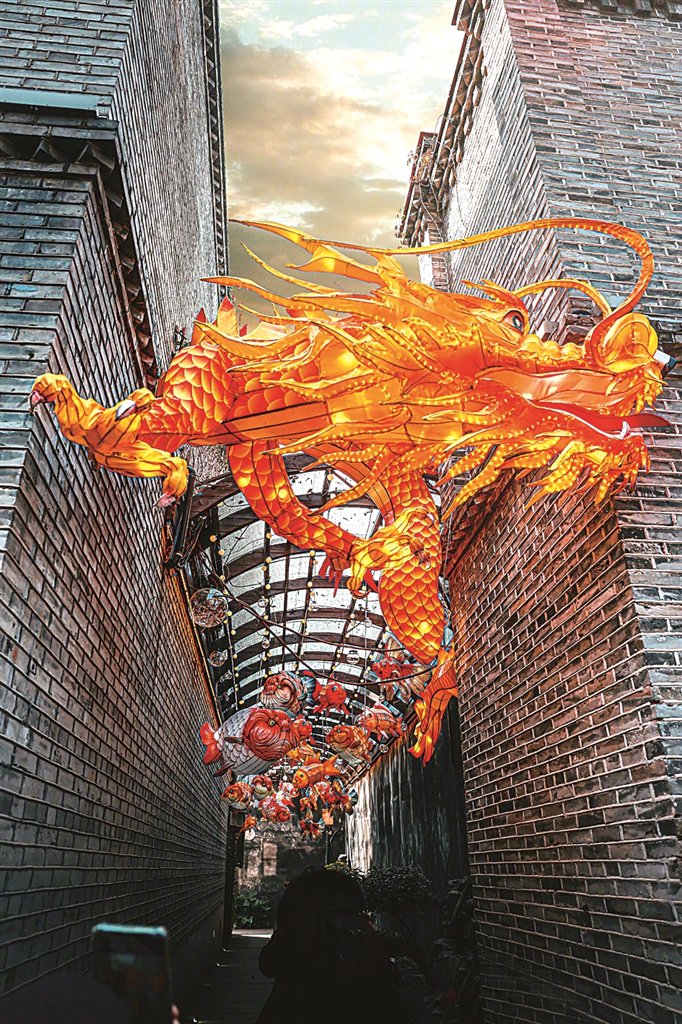
齐鲁年味里藏着哪些消费新潮?
Sou Hu Cai Jing· 2026-02-23 02:52
Group 1: New Consumption Trends During Spring Festival - The Spring Festival in Shandong has seen new consumption trends, with a focus on unique experiences and social media engagement [1][4] - Traditional markets are evolving, with live streaming and social media becoming integral to the shopping experience, particularly among younger consumers [2][4] - Non-heritage products are gaining popularity, with a 187% year-on-year increase in sales of related items, especially those themed around the Year of the Horse [7][8] Group 2: Rural Tourism and Cultural Consumption - Rural tourism is experiencing a surge, driven by returning visitors seeking authentic local experiences, with over 10,000 tickets sold for events in rural areas [11][13] - Cultural consumption, particularly theater performances, is becoming a preferred choice for many, especially younger audiences, who value the immersive experience [14][16] - The inbound tourism market in Qingdao is thriving, with international visitors exploring the city beyond traditional tourist spots, enhancing the local economy [17][19] Group 3: New Retail Formats - The "first store economy" is emerging as a new driver of consumption during the Spring Festival, with unique offerings and engaging environments attracting customers [8][10]
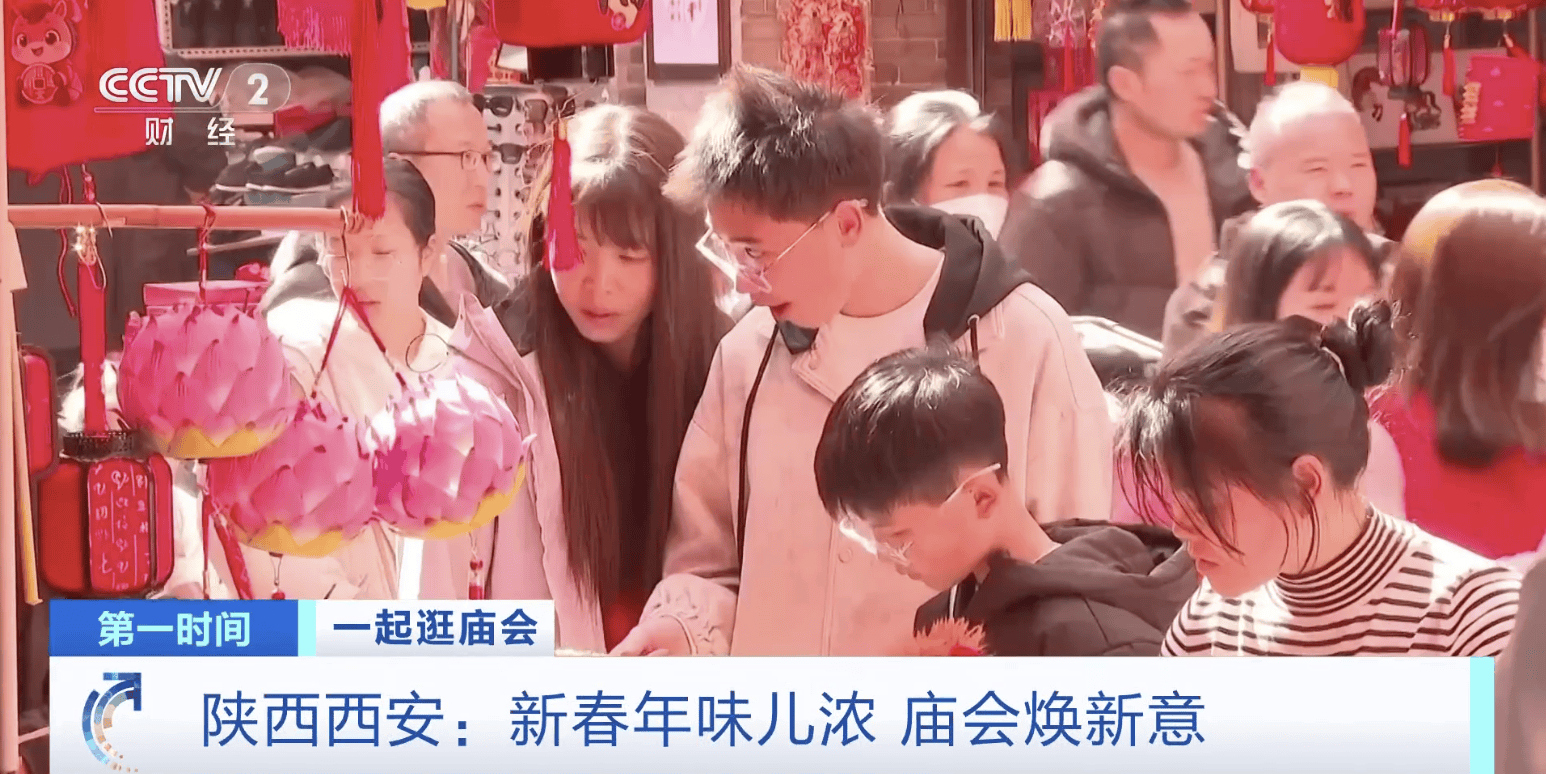
马元素年货走俏西安都城隍庙会 融合业态圈粉年轻人
Sou Hu Cai Jing· 2026-02-22 11:01
Group 1 - The core event is the opening of the historic Xian Douchenghuang Temple Fair during the Spring Festival, which combines traditional festive elements with intangible cultural heritage, attracting many citizens and tourists [1] - The market at Douchenghuang Temple features a variety of traditional New Year goods, including couplets, lanterns, and shadow puppets, with items featuring horse elements being particularly popular among vendors [3] - The fair has drawn foreign tourists, facilitated by visa-free entry policies, allowing them to experience Chinese New Year customs up close [3] Group 2 - The Xian Guoyue, known as a "living fossil of ancient Chinese music," is performing at the temple, preserving ancient scores and performance styles, which adds cultural depth to the festive atmosphere [4] - The temple fair includes themed photo spots for visitors and introduces various integrated business formats, catering to younger audiences looking for leisure activities while exploring the fair [6]
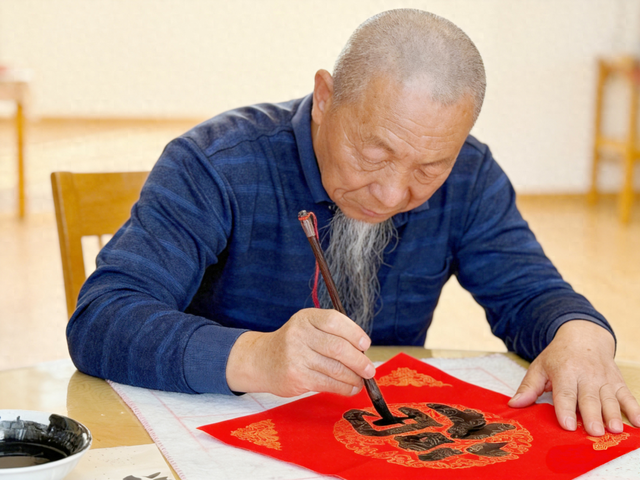
新春走基层丨墨润新春,他把村民心愿写进春联
Xin Lang Cai Jing· 2026-02-21 05:57
Core Viewpoint - The article highlights the cultural significance of traditional practices during the Chinese New Year, particularly focusing on the custom of writing and sharing Spring Festival couplets, which fosters community spirit and personal connections among villagers [1][3]. Group 1: Cultural Practices - The essence of the New Year is captured in various traditional elements such as colorful lanterns, family reunions, and auspicious Spring Festival couplets [1]. - The act of writing Spring Festival couplets is described as a cherished tradition, with villagers expressing their wishes and hopes for the new year through these writings [3][10]. Group 2: Community Engagement - Villagers are actively participating in selecting and customizing Spring Festival couplets, preferring hand-written versions for their personal touch and meaningful symbolism [5][10]. - The involvement of children in learning to write couplets under the guidance of a local elder, 解长生, emphasizes the transmission of cultural practices to younger generations, creating a sense of warmth and community [7][8]. Group 3: Personal Stories - 解长生, a retired individual, began writing couplets as a hobby around 2000 and has since turned it into a community service, writing nearly a hundred couplets for the current New Year [13]. - His motivation stems from a desire to blend personal wishes with traditional art, enhancing the festive atmosphere and fostering connections among neighbors [10][13].
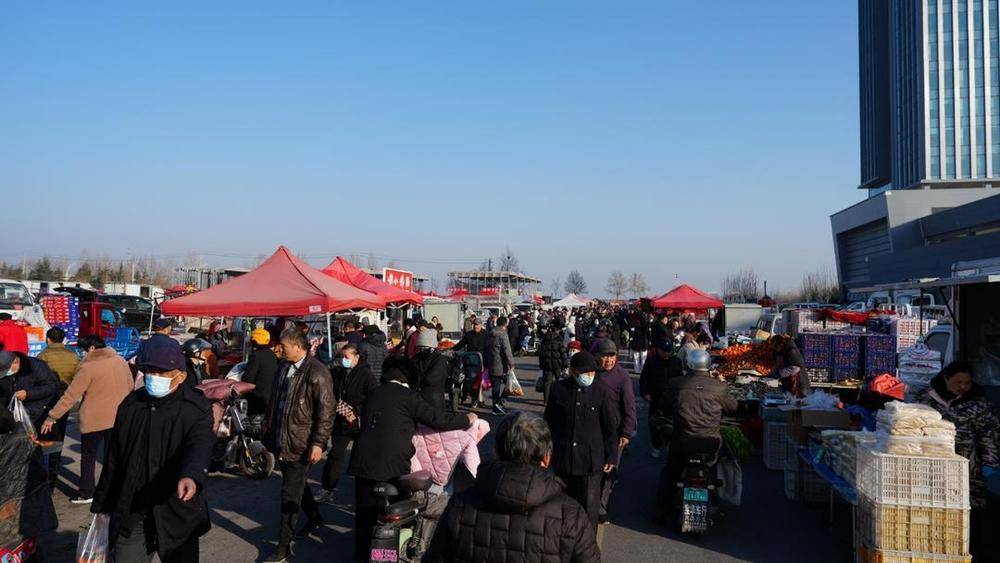
【新春走基层】赶大集 买年货 过新春
Xin Lang Cai Jing· 2026-02-21 00:47
Core Viewpoint - The article highlights the successful hosting of the third annual New Year goods festival and folk culture performance in Zhuoni County, showcasing local traditions and products in a festive atmosphere [1]. Group 1: Event Overview - The New Year goods market officially opened with a ceremonial gong, attracting local residents and visitors who eagerly purchased various festive items [2]. - The market featured a wide array of products, including black fungus, mushrooms, clarified butter, couplets, Tiao inkstones, and lamb meat, with Zhuoni black fungus being a standout due to its quality and recognition as a national specialty [2]. Group 2: Cultural Activities - The folk culture performance elevated the festive atmosphere, with local singers and dancers performing heartfelt songs that celebrated the beauty of Zhuoni and expressed the pride of its people [3]. - The audience actively engaged with the performances, capturing memorable moments on their phones, creating a warm and welcoming environment for both locals and visitors [4].
热气腾腾的中国年|江苏无锡:当非遗成为“世界语言”,外籍友人爱上“中国年”
Xin Lang Cai Jing· 2026-02-20 13:27
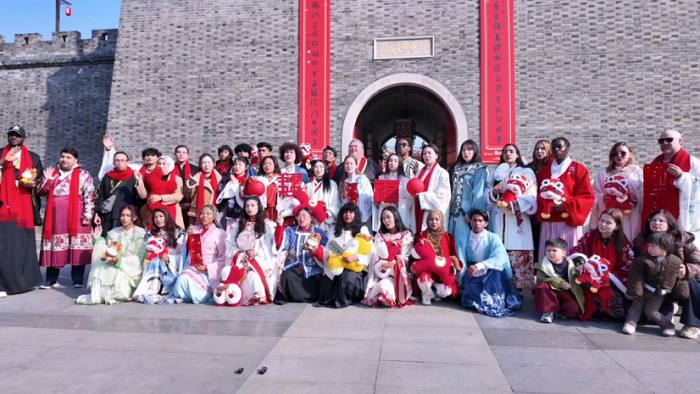
Core Viewpoint - The article highlights the vibrant cultural exchange during the Spring Festival in Wuxi, where foreign friends from various countries engage in traditional Chinese cultural experiences, showcasing the charm of intangible cultural heritage [1][3][13]. Group 1: Cultural Experiences - Foreign friends from countries such as South Africa, Poland, Tanzania, and others participated in hands-on activities like writing Spring Festival couplets and experiencing traditional crafts [3][5]. - The event featured immersive experiences, allowing participants to learn about local heritage through storytelling and hands-on activities, such as making bamboo bookmarks and sugar-coated hawthorns [5][11]. Group 2: Visual Spectacles - A stunning fire dragon show was held, where molten iron created a spectacular display in the night sky, captivating attendees and showcasing the cultural heritage of the region [7]. - The event included performances that combined traditional skills with modern aesthetics, such as fire breathing and face-changing acts, which amazed the foreign participants [9]. Group 3: Community Engagement - The "New Wu Celebrating the New Year" event brought together over 40 foreign friends living and studying in Wuxi, allowing them to experience the unique charm of the Wu culture during the Spring Festival [9]. - Participants actively engaged in cultural activities, such as joining in dance performances and expressing their enjoyment of the local festivities [11].
2026大市场看中国年丨墨香剪纸融民俗龙腾马跃闹新春
Xin Lang Cai Jing· 2026-02-20 08:19
Core Insights - The article highlights the vibrant atmosphere of the Chinese New Year celebrations in Changchun, showcasing a blend of traditional customs and modern experiences that reflect the cultural richness and economic vitality of the region [1][2][3] Group 1: Cultural Events - The "New Spring·Jingxi" series of activities in Beijing features traditional customs such as calligraphy, folk experiences, and parades, attracting numerous visitors who engage in immersive cultural experiences [1][2] - Local artists, including calligraphers, are actively participating in the celebrations, creating and distributing over a hundred free spring couplets and blessings, which have become popular collectibles among citizens [2][3] Group 2: Community Engagement - The market scene is bustling with families purchasing traditional New Year goods, such as couplets and decorations, while children enjoy the festive atmosphere, highlighting the community's engagement in cultural practices [1][3] - The event includes interactive experiences like ice calligraphy, where participants can write New Year wishes on ice, adding a unique twist to traditional celebrations [2][3] Group 3: Economic Impact - The "New Spring·Jingxi" event aims to stimulate local economic activity by integrating traditional markets, intangible cultural heritage experiences, and festive parades, thereby enhancing the overall festive atmosphere and community spirit [3]