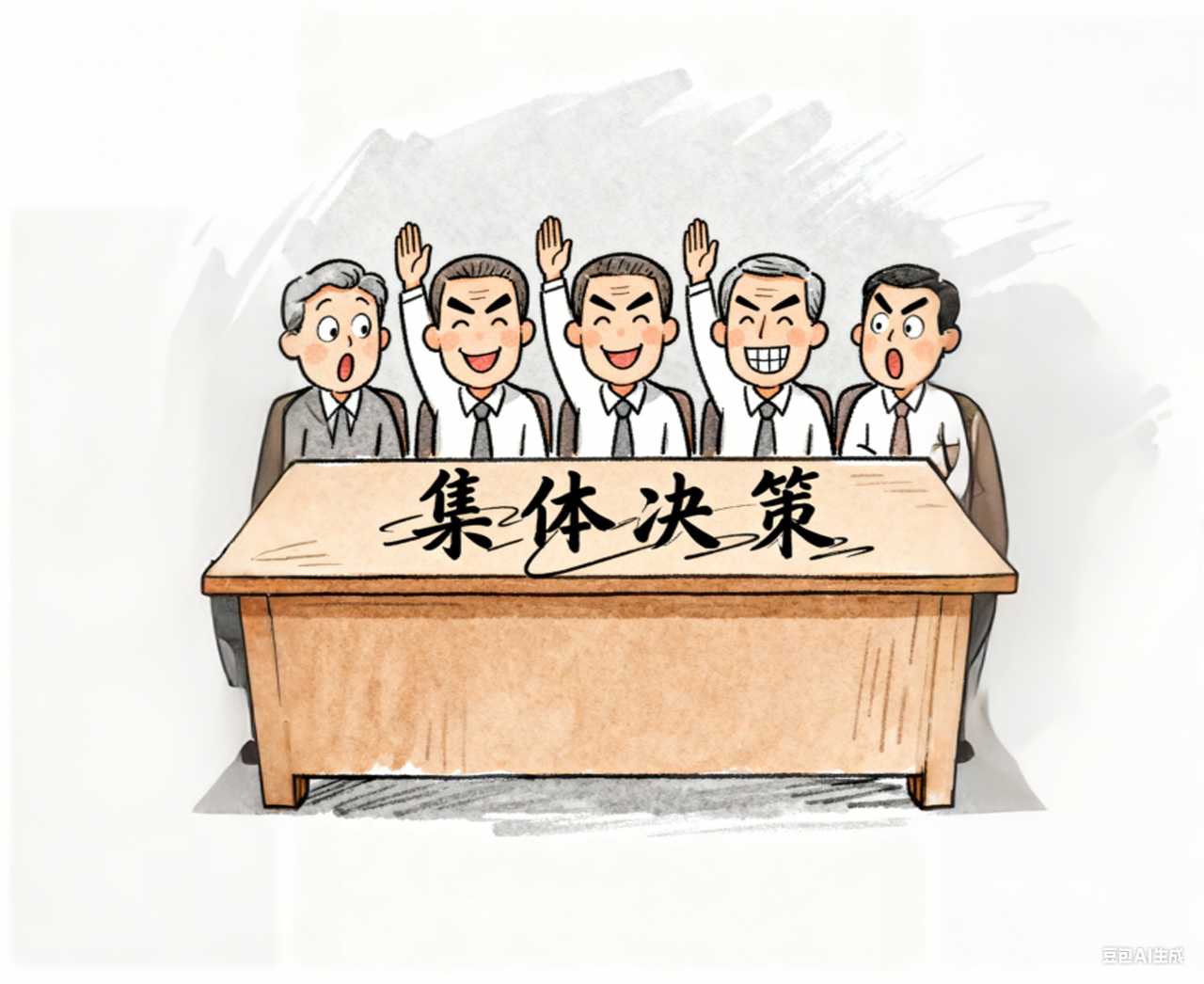
集体决策

Search documents
警惕“集体决策”成贪腐“隐身衣”
Xin Hua Wang· 2025-11-27 09:21
Core Viewpoint - Recent investigations reveal that while "collective decision-making" processes appear to be followed, they often conceal corruption issues, with some officials manipulating these processes for personal gain [1][2][5] Group 1: Corruption Tactics - Some officials use "collective decision-making" as a facade to hide their corrupt practices, often involving pre-arranged agreements and interest bundling [2][5] - A case was highlighted where a town party secretary, after facing disciplinary action for previous misconduct, began to integrate personal interests into the collective decision-making process [2][3] - In a state-owned grain enterprise, three executives formed a corrupt partnership, manipulating decisions to benefit themselves financially [3][5] Group 2: Distortion of Procedures - The concept of "pre-decision preparation" has been twisted into "pre-arranged agreements," allowing officials to embed personal interests into decision-making [5][8] - Some officials bypass collective discussions by citing "superior's emphasis" or "efficiency priority," effectively making unilateral decisions [6][8] - Instances were reported where local leaders misused collective decision-making to facilitate personal projects, such as splitting contracts to favor relatives [6][7] Group 3: Recommendations for Improvement - Experts suggest tightening the constraints on "collective decision-making" processes to reduce opportunities for corruption, focusing on the accountability of key decision-makers [8][9] - Implementing a "three must-pass" mechanism for scientific validation, integrity checks, and legality reviews before collective decisions is recommended [8] - Enhancing transparency through technology, such as big data analysis, to identify abnormal decision-making patterns and ensure public access to decision-making information [9]