隐性腐败

Search documents
《人民日报》:广州市纪委监委揭开层层表象,深挖广州农商银行原行长隐性腐败问题
2 1 Shi Ji Jing Ji Bao Dao· 2026-01-19 04:09
Core Viewpoint - The investigation into former Guangzhou Rural Commercial Bank president Yi Xuefei revealed a complex corruption scheme involving loan approvals and personal financial gain, leading to significant reforms in the bank's operations and oversight mechanisms [1][8]. Group 1: Corruption Case Details - Yi Xuefei, who held various positions at the bank since 2006, was found to have engaged in corrupt practices by facilitating loans for businesses in exchange for personal financial benefits [1][4]. - The investigation was triggered by an anonymous tip-off regarding Yi's suspicious relationships with loan clients, leading to a comprehensive review of his activities [1][6]. - Yi utilized a network of associates to disguise his corrupt activities, including using his brother-in-law to manage investments and loans, ultimately siphoning off funds into personal accounts [4][5]. Group 2: Financial Transactions and Patterns - From 2017, Yi facilitated loans totaling 24 million yuan for a client, with the funds ultimately transferred to his wife's bank account, indicating a systematic approach to financial misconduct [4][5]. - Yi's method involved offering high-interest loans to clients, often exceeding standard bank rates, which raised questions about the legitimacy of their financial needs [7]. - Over the years, Yi reportedly collected over 18 million yuan in interest from these illicit transactions, highlighting the scale of his corrupt practices [7]. Group 3: Institutional Reforms and Future Measures - Following the investigation, the Guangzhou Municipal Commission for Discipline Inspection initiated reforms within the bank to enhance transparency and accountability in loan approvals [8][10]. - The commission is also focusing on broader issues of leadership misconduct in lending practices, aiming to establish a monitoring mechanism for unusual financial transactions involving public officials [8][10]. - The case underscores the need for innovative oversight methods to combat new forms of corruption that blend into market activities, necessitating a multi-faceted approach to regulatory enforcement [10].


深挖隐性腐败,1800多万元利息暗藏多少猫腻
Xin Lang Cai Jing· 2026-01-19 00:39
Core Insights - The article discusses the investigation into former president of Guangzhou Rural Commercial Bank, Yi Xuefei, revealing a hidden corruption scheme involving loan approvals and interest collection [1][2][5] Group 1: Corruption Investigation - The investigation was initiated after an anonymous tip-off regarding Yi Xuefei's suspicious economic interactions with multiple client enterprises [1][2] - Yi Xuefei held various positions at the bank since 2006, and he utilized a method of collecting interest disguised as legitimate business transactions to avoid detection [2][3] Group 2: Loan Scheme Details - Yi Xuefei orchestrated a scheme where he used intermediaries to facilitate loans, allowing him to collect funds without direct involvement [3][4] - From 2017, a client named Zhang Haibo received a total of 24 million yuan in loans, which were funneled into Yi's wife's bank account after being transferred through multiple channels [3][4] Group 3: Interest Collection - Yi Xuefei arranged for clients to pay him interest on loans at rates significantly higher than standard bank rates, with one client agreeing to a 15% annual interest rate [4][5] - Between 2017 and 2019, he received a total of 4.8 million yuan in interest payments from one client alone [4][5] Group 4: Broader Implications - The investigation revealed that Yi Xuefei's actions were part of a larger pattern of corruption, prompting the Guangzhou Municipal Commission for Discipline Inspection to implement reforms and enhance regulatory measures [5][6] - The commission aims to address common issues of corruption and improve oversight mechanisms within financial institutions [6]
广东省广州市纪委监委揭开层层表象 深挖广州农商银行原行长隐性腐败问题 1800多万元利息暗藏多少猫腻(不断提高反腐败穿透力)
Ren Min Ri Bao· 2026-01-18 22:00
Core Viewpoint - The investigation into former Guangzhou Rural Commercial Bank president Yi Xuefei revealed a sophisticated corruption scheme involving loan approvals and personal financial gain, leading to significant reforms in the bank's operations and oversight mechanisms [1][2][4]. Group 1: Corruption Scheme Details - Yi Xuefei, who held various positions at the bank since 2006, engaged in corrupt practices by facilitating loans for businesses in exchange for personal financial benefits [2][3]. - The scheme involved using intermediaries to obscure the flow of funds, with Yi Xuefei coordinating loans that ultimately funneled money into his wife's bank account [3][4]. - From 2005 onwards, Yi Xuefei reportedly collected over 18 million yuan in interest from these illicit loans, indicating a long-standing pattern of corruption [6]. Group 2: Investigation and Findings - The investigation, initiated by an anonymous tip, led to a comprehensive review of Yi Xuefei's financial activities, including the analysis of over 200 accounts and 1.6 million transactions [4][5]. - Key findings highlighted the discrepancies in loan requests, such as businesses opting for high-interest personal loans instead of lower-rate bank loans, suggesting collusion [6]. - The investigation also revealed that the timing of loan approvals often coincided with Yi Xuefei's personal financial transactions with the borrowers, indicating a direct link between his authority and the corrupt practices [6]. Group 3: Institutional Reforms - Following the investigation, the Guangzhou Municipal Commission for Discipline Inspection initiated reforms within the bank to enhance transparency and accountability in loan approvals [7]. - The commission emphasized the need for a proactive approach to combat new forms of corruption, advocating for the use of technology and data analysis to monitor financial transactions [7]. - A special focus was placed on establishing a warning mechanism for unusual large fund flows involving public officials to prevent future misconduct [7].
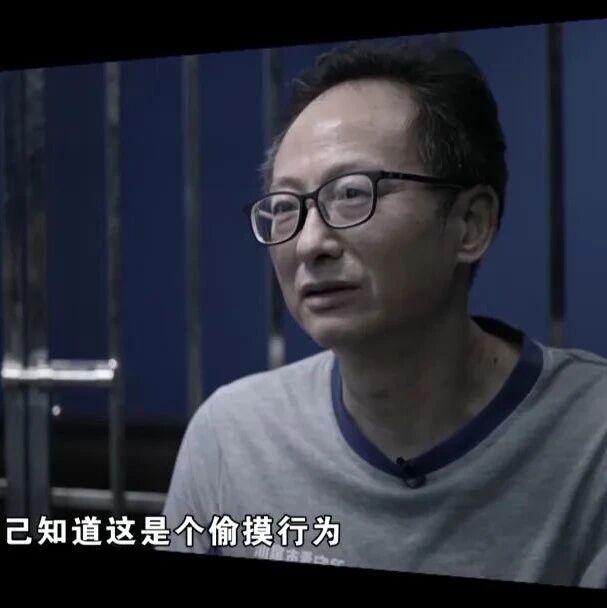
一次收受2000枚以太币,市值高达数千万元!姚前大搞权钱交易
Sou Hu Cai Jing· 2026-01-15 08:09
Core Viewpoint - The article discusses the emergence of new forms of corruption facilitated by virtual currencies, highlighting a specific case involving a former official, Yao Qian, who utilized digital assets for illicit transactions [1][24]. Group 1: Corruption Mechanisms - Corruption has evolved with the advent of digital currencies, which provide new avenues for concealing illicit activities [3][26]. - Traditional forms of corruption, such as cash and valuable goods, are now supplemented by virtual currencies that leverage blockchain technology for anonymity [3][5]. Group 2: Case Study of Yao Qian - Yao Qian, former director of the Technology Supervision Department of the China Securities Regulatory Commission, was investigated for accepting bribes in the form of virtual currencies [7][24]. - The investigation revealed that Yao Qian received significant amounts of virtual currency, with one transaction involving 1,000 million yuan traced back to a virtual currency trading account [14][22]. Group 3: Investigative Techniques - The investigative team employed big data and blockchain technology to trace the flow of virtual currencies, successfully linking them to Yao Qian's illicit activities [22][24]. - Evidence was gathered showing that Yao Qian used a "mask account" to conceal the origins of funds, which were ultimately used for purchasing real estate [13][14]. Group 4: Implications for Anti-Corruption Efforts - The case underscores the need for enhanced regulatory measures to address the challenges posed by virtual currencies in corruption cases [24][26]. - The successful investigation serves as a precedent for future cases involving digital assets, emphasizing the importance of adapting anti-corruption strategies to evolving methods of illicit financial transactions [24][26].
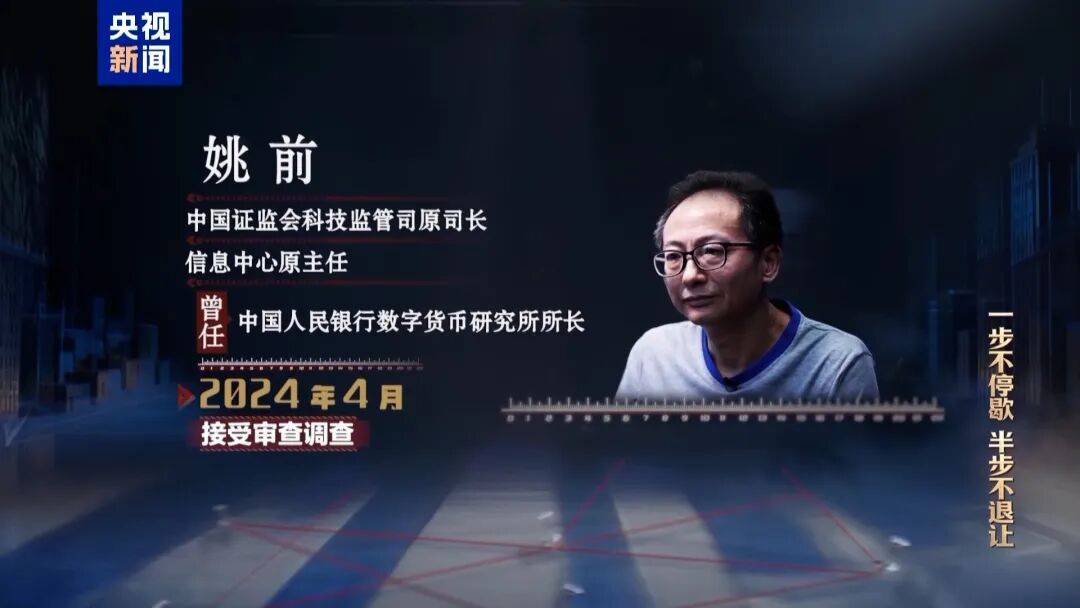
收受2000枚市值最高达6000万的虚拟币买别墅,姚前终于还是露出马脚
Xin Jing Bao· 2026-01-14 22:51
Core Viewpoint - The article discusses the corruption case of Yao Qian, former director of the Technology Supervision Department of the China Securities Regulatory Commission, highlighting how his expertise in digital currency did not prevent him from being caught for accepting bribes in the form of virtual currencies like Ethereum [1][2]. Group 1: Corruption Case Details - Yao Qian, a prominent figure in digital currency research, was involved in accepting bribes, including 2,000 Ethereum, which at one point had a market value exceeding 60 million yuan [1]. - His methods of concealing corruption included using others' identities to create "sleeper accounts" and employing trusted associates to obscure the sources of bribes [1]. - The case was ultimately exposed when Yao attempted to convert virtual currencies into real assets, leading to the discovery of a hardware wallet containing the private keys to his digital assets [2]. Group 2: Implications of Digital Currency in Corruption - The article emphasizes that while digital currencies can appear to provide anonymity, the decentralized nature of blockchain technology allows for public tracking of transactions, making it difficult for corrupt individuals to evade detection [2]. - It suggests that despite advancements in corruption techniques, the same digital technologies can enhance anti-corruption efforts, indicating a need for continuous adaptation in oversight mechanisms [2].
中纪委曝光案例:已突破虚拟货币隐匿贪腐手段,详解技术逻辑
Nan Fang Du Shi Bao· 2026-01-14 16:53
Core Viewpoint - The news highlights the emergence of new forms of corruption facilitated by virtual currencies, emphasizing the need for vigilance in combating these practices as demonstrated in the case of Yao Qian, a former official at the China Securities Regulatory Commission [1][10]. Group 1: Case Overview - Yao Qian, former director of the Technology Supervision Department of the China Securities Regulatory Commission, was investigated for corruption involving virtual currencies, with the total value of illicit virtual assets amounting to several tens of millions of RMB [1][10]. - The investigation revealed that Yao utilized hardware wallets to store virtual currencies, which were used as a medium for bribery, showcasing the challenges posed by the anonymity and cross-border nature of virtual currencies [1][3][10]. Group 2: Investigation Techniques - The investigative team employed big data and information technology to trace Yao's financial activities, uncovering "shell accounts" that he controlled, which were used to facilitate large transactions [5][10]. - The investigation successfully traced a significant sum of 1 billion RMB that was funneled through various accounts, ultimately linked to the purchase of a villa registered under a relative's name, indicating a complex web of financial concealment [5][10]. Group 3: Corruption Mechanisms - The case illustrates the use of virtual currencies in modern corruption, where transactions can be obscured due to the separation of identity and the banking system, making detection difficult [3][9]. - Yao's associate, Jiang Guoqing, played a crucial role in facilitating these corrupt transactions, further complicating the investigation and highlighting the network of complicity in such schemes [8][10]. Group 4: Lessons Learned - The successful prosecution of Yao Qian serves as a precedent for future investigations into corruption involving virtual currencies, emphasizing the importance of understanding the operational mechanisms of these digital assets [10][11]. - The case underscores that while virtual currencies may appear intangible, they ultimately manifest in the real world, necessitating robust investigative techniques to uncover hidden corruption [10][11].
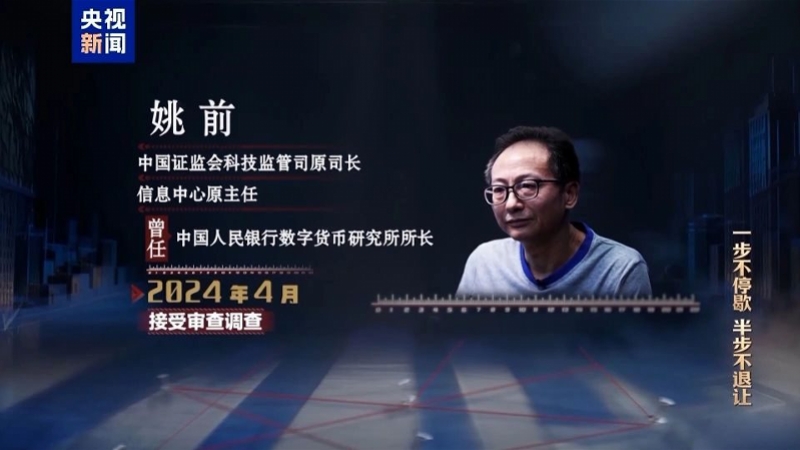
一次收受市值数千万元以太币 证监会科技监管司原司长姚前案详情披露
Zheng Quan Shi Bao· 2026-01-14 15:50
Core Viewpoint - The documentary episode "Technology Empowering Anti-Corruption" analyzes the case of Yao Qian, former director of the Technology Supervision Department of the China Securities Regulatory Commission (CSRC), highlighting the misuse of technology and virtual currencies in corruption activities [1][19]. Group 1: Case Overview - Yao Qian was investigated for serious violations of discipline and law in April 2024 and was expelled from the Party and public office in November 2024 [1][19]. - He abused his regulatory powers to support specific technology service providers for personal gain, engaging in corrupt practices involving virtual currencies [1][19]. - The investigation revealed that Yao Qian received bribes in the form of virtual currencies, which were difficult to trace due to their digital nature [9][21]. Group 2: Investigation Details - The investigation team utilized big data and blockchain technology to trace the flow of virtual currencies and establish a solid evidence chain against Yao Qian [10][17]. - Yao Qian's illicit activities included using "shell accounts" to conceal large sums of money, with one notable transaction involving 10 million yuan linked to a virtual currency trading account [10][11]. - The investigation uncovered that Yao Qian's corrupt practices were facilitated by his close associate, Jiang Guoqing, who acted as an intermediary in several transactions [13][19]. Group 3: Implications of Virtual Currencies - The case illustrates the emerging risks of new forms of corruption facilitated by virtual currencies, which can obscure the identities of the parties involved and complicate regulatory oversight [9][21]. - The documentary emphasizes that while virtual currencies can be used to hide corrupt activities, they ultimately leave traces that can be uncovered through diligent investigation [21]. - The successful handling of this case provides valuable insights for anti-corruption efforts involving virtual currencies, reinforcing the need for robust regulatory frameworks and investigative techniques [19][21].
一次收受市值数千万元以太币,证监会科技监管司原司长姚前案详情披露
Zheng Quan Shi Bao· 2026-01-14 15:29
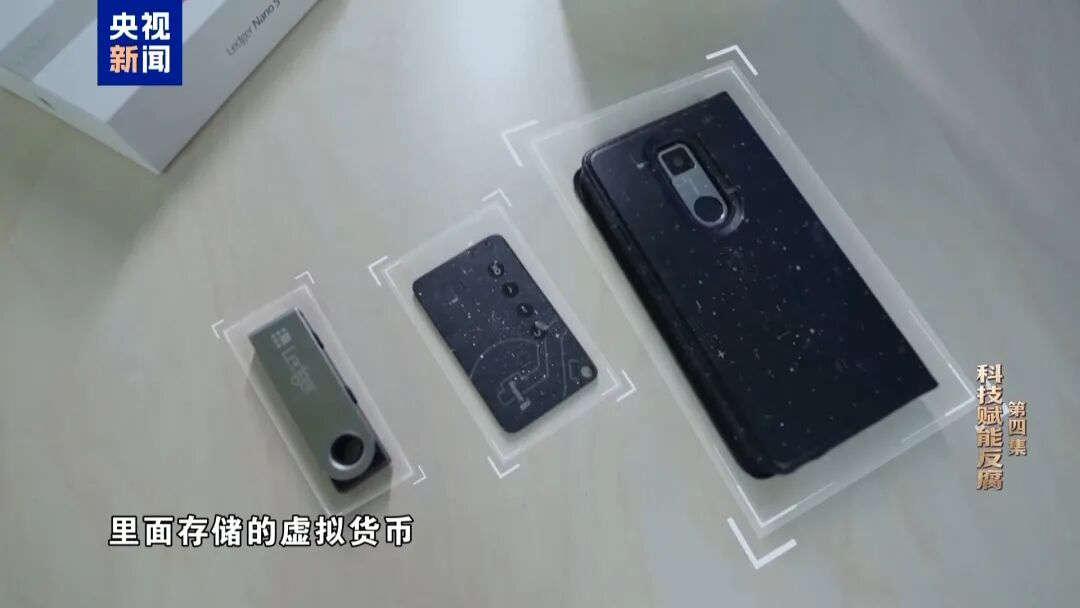
Core Viewpoint - The case of Yao Qian, former director of the Technology Supervision Department of the China Securities Regulatory Commission (CSRC), reveals significant corruption involving the acceptance of bribes in the form of virtual currencies, highlighting the challenges of regulating new forms of corruption in the digital age [2][8]. Group 1: Case Background - Yao Qian was investigated for serious violations of discipline and law in April 2024 and was expelled from the party and public office in November 2024 [2]. - He misused his regulatory powers to benefit specific technology service providers and engaged in corrupt practices, including accepting bribes in virtual currencies [2][3]. Group 2: Corruption Methods - The investigation uncovered that Yao Qian utilized hardware wallets to store virtual currencies, which were used as a means to conceal corrupt transactions [3][4]. - Virtual currencies, due to their anonymity and the ability to operate outside traditional banking systems, posed significant challenges for regulatory oversight [4][6]. Group 3: Evidence and Investigation - The investigative team discovered a hardware wallet in Yao Qian's office, which contained virtual currencies valued at several tens of millions of RMB [3][5]. - A significant amount of money, including a transaction of 10 million RMB traced back to a virtual currency trading account, was found to be linked to Yao Qian's illicit activities [6][8]. Group 4: Key Individuals - A close associate, Jiang Guoqing, played a crucial role in facilitating Yao Qian's corrupt transactions, including the transfer of virtual currencies [7][8]. - The investigation revealed that Jiang Guoqing was involved in nearly all major transactions and acted as an intermediary for bribes [7]. Group 5: Implications for Regulation - The case underscores the need for enhanced regulatory frameworks to address the complexities of virtual currencies in corruption cases [9]. - The successful investigation of Yao Qian's case serves as a precedent for tackling similar corruption issues involving virtual currencies in the future [9].
用马甲账户收受虚拟币买别墅 证监会科技监管司原司长姚前腐败细节披露
Yang Shi Xin Wen· 2026-01-14 15:03
Core Viewpoint - The documentary highlights the emergence of new forms of corruption facilitated by digital currencies, emphasizing the need for vigilance against these evolving methods of illicit financial transactions [1][28]. Group 1: Corruption Methods - Traditional forms of corruption often involve cash, gold, and valuable items, but the rise of digital currencies has introduced new challenges in detecting and preventing corruption [1]. - Hardware wallets, which can store significant amounts of virtual currency, have been identified as tools used in corrupt practices, with some cases involving millions of yuan [3][11]. Group 2: Case Study of Yao Qian - Yao Qian, former director of the Technology Supervision Department of the China Securities Regulatory Commission, was investigated for using virtual currencies in corrupt transactions [7][26]. - The investigation revealed that Yao Qian received large sums of virtual currency, which were later traced to real estate purchases, demonstrating the link between virtual assets and tangible wealth [16][24]. Group 3: Investigative Techniques - The investigative team utilized big data and blockchain technology to trace the flow of virtual currencies, successfully establishing a comprehensive evidence chain against Yao Qian [24][28]. - The investigation uncovered that Yao Qian had set up multiple "mask accounts" to obscure the origins of funds, but thorough analysis revealed the connections to illicit transactions [13][15]. Group 4: Implications for Regulatory Practices - The case serves as a precedent for future investigations into corruption involving virtual currencies, highlighting the importance of adapting regulatory frameworks to address new forms of financial misconduct [26][28]. - The documentary underscores the necessity for regulatory bodies to enhance their capabilities in detecting and prosecuting corruption, particularly as it relates to the use of digital currencies [28].
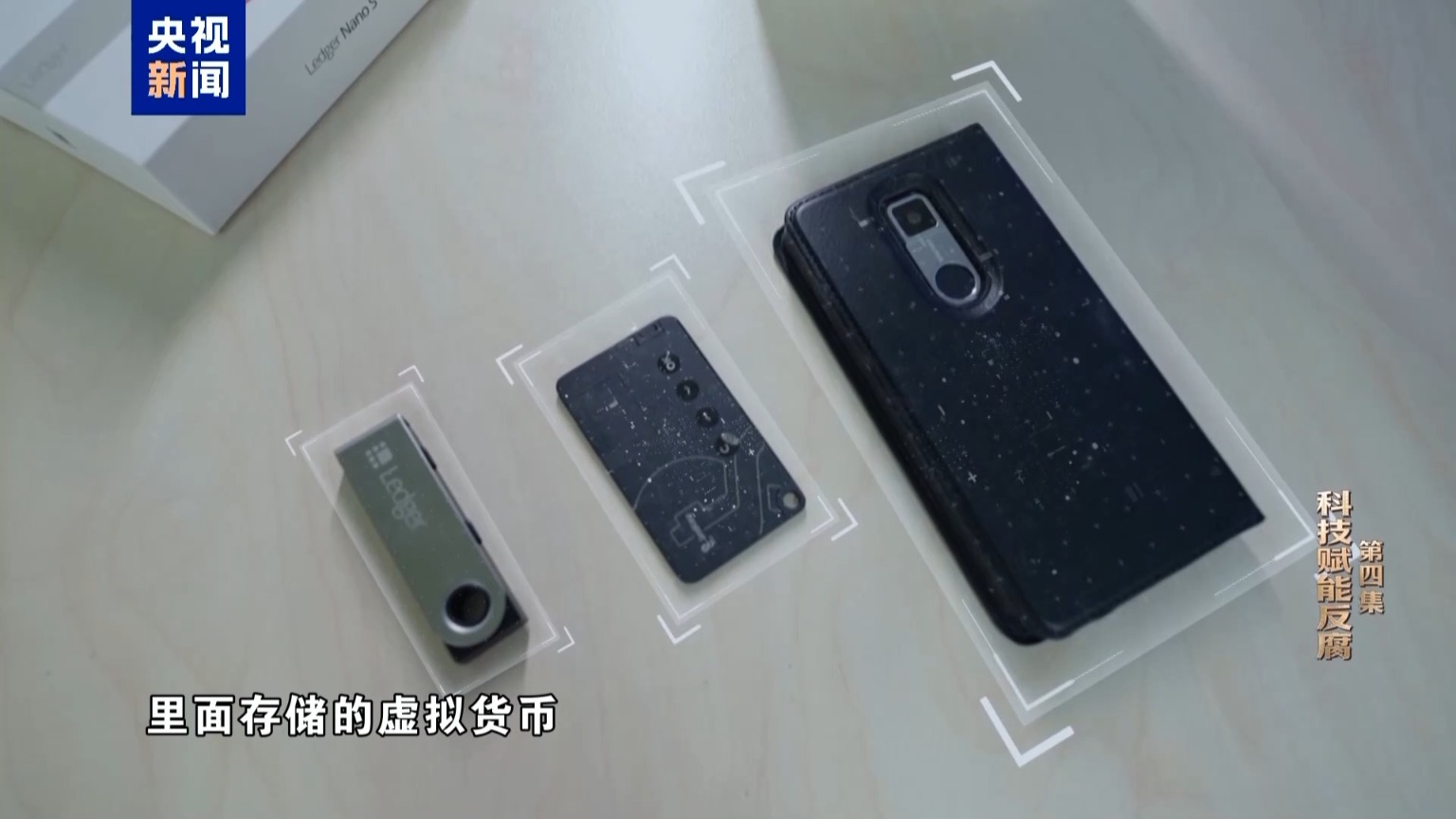
一次收受市值数千万元以太币,证监会科技监管司原司长姚前案详情披露
证券时报· 2026-01-14 14:47
Core Viewpoint - The article discusses the case of Yao Qian, former director of the Technology Supervision Department of the China Securities Regulatory Commission, highlighting the use of virtual currencies in corruption and the challenges of regulating such activities in the digital age [2][30]. Group 1: Case Overview - Yao Qian was investigated for serious violations of discipline and law, including abusing regulatory powers and engaging in corrupt practices involving virtual currencies [2][30]. - The investigation revealed that Yao Qian used his position to support specific technology service providers for personal gain, engaging in transactions that involved virtual currencies [2][30]. Group 2: Corruption Methods - The article outlines how traditional forms of corruption have evolved with the advent of digital currencies, which provide new avenues for concealing illicit activities [3][30]. - Hardware wallets, used for storing virtual currencies, were identified as key evidence in the investigation, with the total value of the virtual currencies involved amounting to several tens of millions of RMB [5][30]. Group 3: Investigation Techniques - The investigative team utilized big data and information technology to trace the flow of funds linked to Yao Qian, uncovering a network of "shell accounts" that he controlled [15][30]. - The investigation confirmed that a significant amount of money, totaling 1 billion RMB, was traced back to a virtual currency trading account, which was then used for real estate purchases [19][30]. Group 4: Implications for Anti-Corruption - The successful handling of Yao Qian's case serves as a precedent for addressing corruption involving virtual currencies, emphasizing the need for robust regulatory frameworks [30][32]. - The article concludes that despite the evolving nature of corruption methods, focusing on the essence of power-for-money transactions and employing advanced technology can effectively combat corruption [32][30].