集体纪念

Search documents
李公明︱一周书记:战争集体记忆与……重塑正当化的战争纪念
Xin Lang Cai Jing· 2025-11-20 03:50
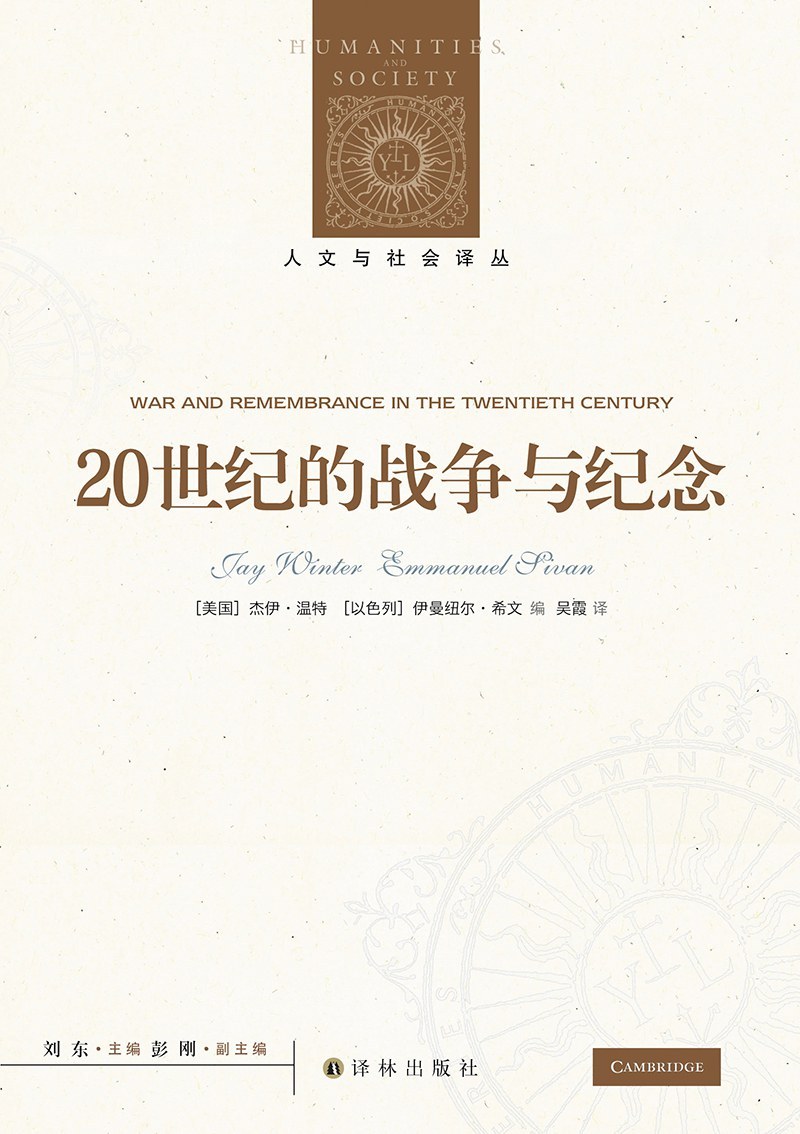
Core Argument - The book "War and Remembrance in the Twentieth Century" focuses on how collective memory of wars is constructed and remembered, particularly in the context of the 20th century's conflicts and their lasting impacts on societies [3][5][20] Summary by Sections Introduction - The authors discuss the ambiguous and controversial concepts of "social agency," "collective memory," and "collective commemoration," highlighting the lack of consensus in academic discourse regarding these terms [4][5] - They emphasize that the book's core issue is how collectives remember wars, with a focus on the extensive impacts of 20th-century conflicts [5][6] Thematic Framework - The book's chapters primarily address the experiences of wars in Europe, with some discussions on the Americas and Israel, exploring the trauma experienced by survivors and the complexities of collective memory [5][6] - Specific topics include the aftermath of major wars, the roles of veterans, representations of child victims in post-war cinema, and the voices of Holocaust survivors [5][6] Conceptual Framework - The authors define "collective commemoration" as a public act of recalling the past, which transcends individual memories and is constructed through collective actions [6][10] - They argue that collective memory cannot exist without public commemorative actions, and that oppressive forces often manipulate these memories for ideological purposes [7][9] Memory and Commemoration Dynamics - The book discusses the tension between official narratives and grassroots memory, noting that while authoritarian regimes suppress collective memory, alternative forms of remembrance often emerge through cultural expressions [9][10] - The authors highlight the psychological and sociological dimensions of how individuals navigate their personal memories within collective commemorative actions [11][12] Case Studies - The chapter by Paloma Aguilar examines the monopolization of war memory by Franco's regime in Spain, detailing the traumatic collective memory of the Spanish Civil War and the persecution of its survivors [14][16] - The authors draw parallels with other historical contexts, such as the American Civil War, to illustrate how societies grapple with the legacies of internal conflict and the moral responsibilities of remembering the past [15][18] Conclusion - The book asserts that understanding and reconstructing legitimate war memories is crucial for addressing contemporary global conflicts and fostering reconciliation [20]