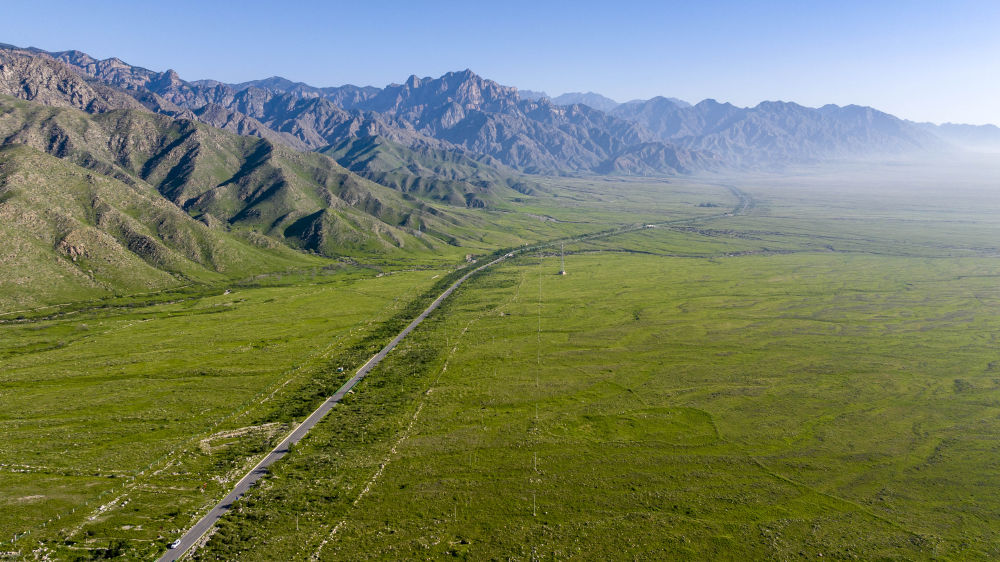
雨线北移

Search documents
新华视点|西北暖湿化,影响几何?
Xin Hua She· 2025-11-28 02:31
Core Viewpoint - The northwest region of China is experiencing a significant trend of warming and increased humidity, raising concerns about its implications and necessary responses [2][3][6]. Group 1: Climate Changes - The average temperature in Xinjiang reached 24.4°C during the summer of 2023, which is 1.7°C higher than the historical average [2] - Ningxia recorded an average temperature of 10.1°C in 2024, marking the highest since 1961, with an increase of 1.1°C compared to the norm [2] - Precipitation in the northwest has increased at a rate eight times faster since 2000 compared to the period from 1961 to 2000, breaking the traditional "wet west, dry east" pattern [3][5] Group 2: Agricultural Impacts - The warming trend is shifting suitable planting areas for major crops like wheat and corn northward, with cotton cultivation areas expanding by 1 to 2 degrees of latitude since the 1980s [8][9] - The increase in rainfall has led to a rise in agricultural pests and diseases, with the area affected by wheat rust expanding significantly [9] Group 3: Ecological Effects - The increase in precipitation has positively impacted ecological restoration, particularly in the Tarim River basin, where the area of natural poplar forests has increased by nearly 50,000 acres [8] - However, the warming trend is accelerating the melting of glaciers, which poses risks to water resources in the Hexi Corridor [9] Group 4: Cultural Heritage Concerns - The warming and humidification are threatening the preservation of immovable cultural heritage, such as the Great Wall and ancient murals, which are sensitive to temperature and humidity changes [9][13] - The erosion of these structures is occurring at a rate of 1 to 2 centimeters per year due to the effects of climate change [9][13] Group 5: Recommendations for Adaptation - Experts suggest enhancing disaster monitoring and risk assessment systems to address the impacts of climate change on various sectors [10][12] - There is a call for optimizing agricultural practices and crop varieties to adapt to the changing climate conditions [12] - The establishment of dynamic monitoring models for cultural heritage is recommended to mitigate the impacts of climate change [13]