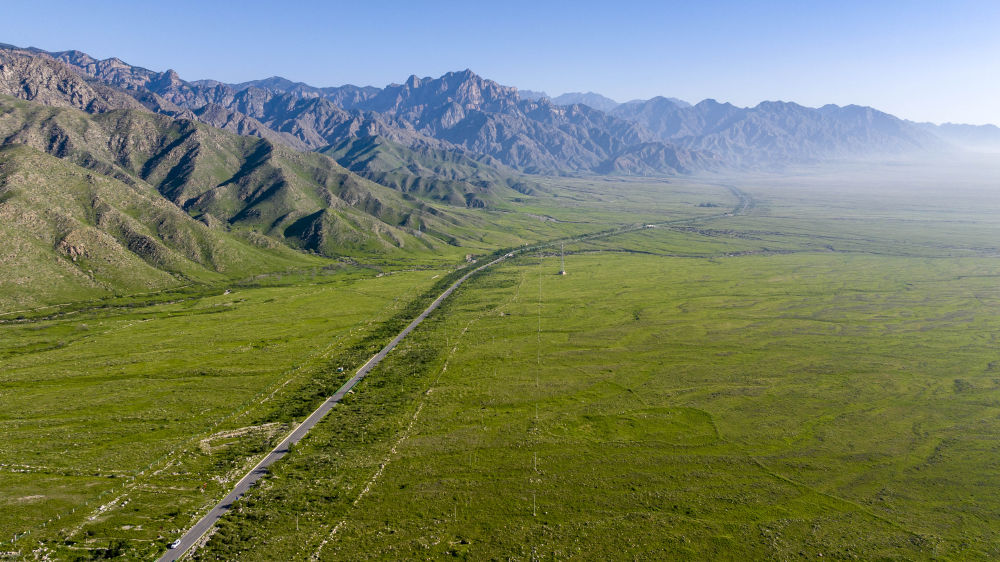
西北暖湿化

Search documents
应对“雨带北抬”,防汛需“见招拆招”
Xin Lang Cai Jing· 2026-01-15 16:20
Core Viewpoint - The article emphasizes the necessity of enhancing flood prevention and disaster reduction capabilities in northern China due to the increasing frequency of extreme weather events and the shifting rain belt caused by climate change [2][3][4]. Group 1: Challenges and Responses - The northern regions of China are experiencing a significant increase in extreme rainfall events, with the frequency of such events nearly matching that of southern regions [3]. - The "rain belt northward shift" and "northwest warming and humidification" trends necessitate a comprehensive upgrade of flood prevention systems in northern areas [3][4]. - The Ministry of Emergency Management has outlined key tasks to address these challenges, focusing on improving flood prevention capabilities in northern regions [2][3]. Group 2: Systematic Approach - Addressing the flood prevention shortfalls in northern China is a systematic project that requires collaboration across multiple departments and regions [3][4]. - The recent national water conservancy work conference highlighted the urgency of enhancing flood control infrastructure, which includes both physical upgrades and improvements in disaster awareness and emergency response mechanisms [4][5]. - The approach must consider the differences between urban and rural areas, with specific strategies for urban flooding and rural flash flood defenses [4]. Group 3: Focus on Rural Areas - For rural and vulnerable areas, prioritizing projects such as water and drought disaster prevention, seismic reinforcement of buildings, and relocation efforts is essential [5]. - The Ministry of Emergency Management has emphasized the importance of grassroots-level policy design and resource allocation to effectively address the existing gaps in disaster prevention infrastructure [5]. Group 4: Collaborative Governance - A successful response to the challenges posed by the shifting rain belt requires a collective effort from society, with an emphasis on accurate scientific assessment and localized strategies [6]. - Northern cities are encouraged to adapt their approaches based on local conditions, enhancing investment and mechanisms while fostering cross-regional and inter-departmental collaboration [6].
雨带北抬,北方城市如何告别“看海”困境
Xin Jing Bao· 2026-01-15 14:28
Group 1 - The core viewpoint emphasizes the need for proactive measures to address the challenges posed by climate change and the northward shift of the rain belt, particularly in enhancing flood prevention and disaster reduction capabilities in northern regions [1] - The frequency of extreme weather events, particularly heavy rainfall in northern China, has significantly increased, necessitating a comprehensive improvement in flood prevention systems [1][2] - The Emergency Management Department's initiative to address the shortcomings in flood prevention in northern areas is seen as a positive response to the ongoing climate challenges [1] Group 2 - The 2026 National Water Resources Work Conference has outlined the urgency of improving flood control and drainage infrastructure in northern regions, highlighting the need for a multi-faceted approach that includes both hardware upgrades and software optimizations [3] - The tasks related to flood prevention are distributed across various departments and regions, requiring a collaborative governance approach to effectively manage the complexities involved [3] - The recent Central Urban Work Conference has called for a shift in urban management focus towards resilience and safety, aligning with the goals of enhancing flood prevention capabilities [3] Group 3 - For rural areas, prioritizing disaster prevention and infrastructure reinforcement is crucial, with an emphasis on resource allocation to address existing deficiencies [4] - The Emergency Management Department's strategy aims to enhance grassroots capabilities and ensure that disaster risk management is effectively implemented at the local level [4] - There is a call for northern cities to adopt tailored approaches to address the challenges posed by the northward shift of the rain belt, emphasizing investment and inter-departmental collaboration [4]
西北暖湿化,影响几何?
Xin Hua Wang· 2025-12-01 01:12
Core Viewpoint - The northwest region of China is experiencing significant climate changes characterized by warming and increased humidity, raising concerns about the implications and necessary responses to these trends [2][6][11]. Climate Trends - The northwest region's temperature is rising in line with global warming, with Xinjiang's average summer temperature reaching 24.4°C, 1.7°C higher than the historical average [2]. - Ningxia's average temperature for 2024 is projected to be 10.1°C, marking the highest since 1961 [2]. - Precipitation in the northwest has increased significantly, with a rate of 8 times higher since 2000 compared to 1961-2000, breaking the traditional "wet west, dry east" pattern [4][5]. Impacts of Warming and Humidity - Increased rainfall is beneficial for ecological restoration, particularly in areas like the Tarim River basin, which supports a significant portion of China's natural poplar forests [6][9]. - Agricultural practices are shifting, with suitable growing areas for major crops like wheat and corn moving northward, and the cotton planting area in Xinjiang expanding by 1 to 2 degrees of latitude since the 1980s [9][10]. - However, the increase in humidity also raises risks of agricultural pests and diseases, with the range of wheat rust expanding significantly [10]. Extreme Weather and Risks - The region is experiencing more extreme weather events, such as heavy rainfall leading to flash floods, with one area recording 56% of its annual rainfall in just 15 hours [10]. - The melting of glaciers due to rising temperatures poses a threat to water resources, particularly in the Hexi Corridor, which relies on glacial melt for water supply [10]. Strategic Responses - Experts emphasize the need for a comprehensive understanding and response to the warming and humidification trends, which could significantly impact population distribution, industrial adjustments, and ecological construction [11][13]. - Recommendations include enhancing disaster monitoring systems, conducting climate feasibility assessments for major projects, and optimizing agricultural practices to adapt to changing conditions [13][14].

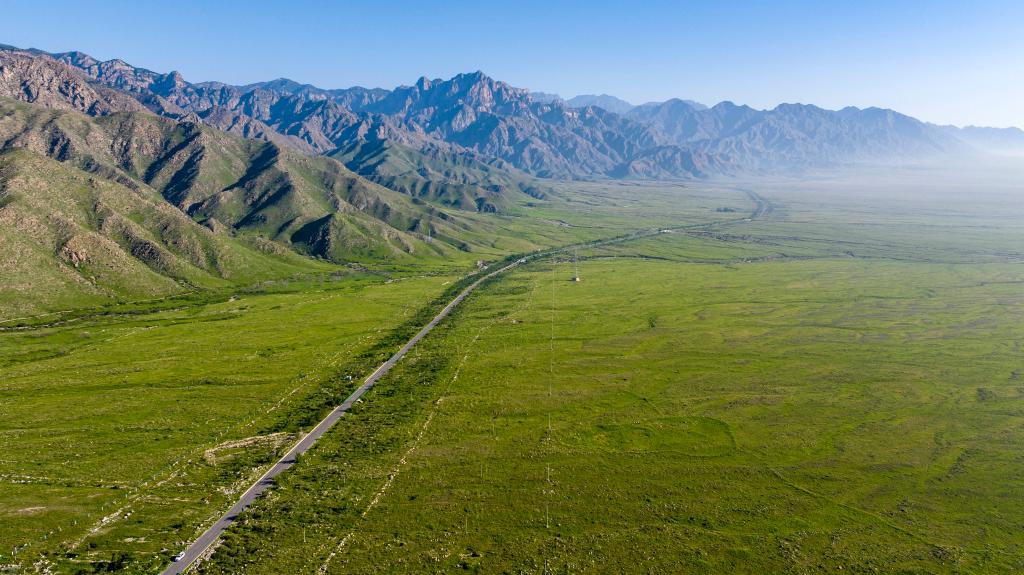
新华视点|西北暖湿化,影响几何?
Xin Hua She· 2025-11-28 02:31
Core Viewpoint - The northwest region of China is experiencing a significant trend of warming and increased humidity, raising concerns about its implications and necessary responses [2][3][6]. Group 1: Climate Changes - The average temperature in Xinjiang reached 24.4°C during the summer of 2023, which is 1.7°C higher than the historical average [2] - Ningxia recorded an average temperature of 10.1°C in 2024, marking the highest since 1961, with an increase of 1.1°C compared to the norm [2] - Precipitation in the northwest has increased at a rate eight times faster since 2000 compared to the period from 1961 to 2000, breaking the traditional "wet west, dry east" pattern [3][5] Group 2: Agricultural Impacts - The warming trend is shifting suitable planting areas for major crops like wheat and corn northward, with cotton cultivation areas expanding by 1 to 2 degrees of latitude since the 1980s [8][9] - The increase in rainfall has led to a rise in agricultural pests and diseases, with the area affected by wheat rust expanding significantly [9] Group 3: Ecological Effects - The increase in precipitation has positively impacted ecological restoration, particularly in the Tarim River basin, where the area of natural poplar forests has increased by nearly 50,000 acres [8] - However, the warming trend is accelerating the melting of glaciers, which poses risks to water resources in the Hexi Corridor [9] Group 4: Cultural Heritage Concerns - The warming and humidification are threatening the preservation of immovable cultural heritage, such as the Great Wall and ancient murals, which are sensitive to temperature and humidity changes [9][13] - The erosion of these structures is occurring at a rate of 1 to 2 centimeters per year due to the effects of climate change [9][13] Group 5: Recommendations for Adaptation - Experts suggest enhancing disaster monitoring and risk assessment systems to address the impacts of climate change on various sectors [10][12] - There is a call for optimizing agricultural practices and crop varieties to adapt to the changing climate conditions [12] - The establishment of dynamic monitoring models for cultural heritage is recommended to mitigate the impacts of climate change [13]