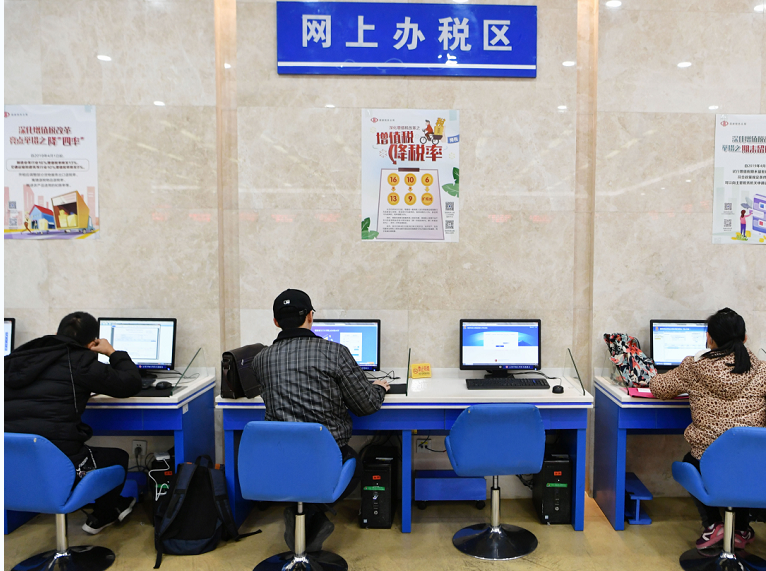
非接触式办税缴费

Search documents
税务总局:企业受疫情影响仍无法申报纳税可补办,将尽快退抵2月已缴纳社保费
Mei Ri Jing Ji Xin Wen· 2025-11-24 08:07
Core Viewpoint - The government has introduced a series of tax and social insurance fee reduction measures to alleviate the impact of the pandemic on businesses, especially small and medium-sized enterprises, and is focused on implementing these measures effectively [1][2]. Group 1: Social Insurance Fee Policies - The policies aim to reduce the burden of social insurance fees on enterprises, thereby lowering labor costs and boosting confidence in resuming operations. Specifically, small and micro enterprises will benefit from a maximum of 5 months of exemption from pension, unemployment, and work injury insurance contributions, while large enterprises will see a 50% reduction for up to 3 months. In Hubei province, all insured units will receive a maximum of 5 months exemption [2][4]. - Additionally, the basic medical insurance fee will be reduced by half for the employer's contribution, with a maximum duration of 5 months [4]. Group 2: Refund Procedures for Social Insurance Fees - For social insurance fees already paid in February, the tax authorities will initiate refunds for amounts eligible for exemption without requiring businesses to submit applications or related materials. For amounts eligible for a 50% reduction, priority will be given to processing refunds, and businesses can opt to use these amounts to offset future payments [4]. Group 3: Tax Filing Extensions - Due to the pandemic, tax filing deadlines have been extended, but some businesses still face difficulties in filing. A temporary measure allows businesses unable to file or apply for an extension to submit a written explanation to the tax authorities and continue with the filing process without incurring penalties or negative credit evaluations [5]. Group 4: Non-Contact Tax Services - The tax authorities have launched the "Spring Breeze Tax Service Action" to enhance convenience for taxpayers, focusing on promoting non-contact tax services. The goal is to enable over 90% of major tax services to be handled online and to increase the proportion of non-contact invoice collection from 50% in 2019 to 70% in 2020 [6][8]. - The initiative also includes speeding up the average processing time for export tax refunds by 20% from the 10 working days established in 2019 [6].