疫情防控

Search documents
三部门通知:密切关注尼帕病毒病等疫情形势,强化输入传染病防控
Zhong Guo Jing Ying Bao· 2026-02-09 10:41
Group 1 - The core viewpoint of the article emphasizes the need for enhanced prevention and control measures for infectious diseases during the 2026 Spring Festival holiday and the spring season, particularly due to increased cross-border and regional movement of people [1][2] - The National Health Commission and other agencies have issued a notification to strengthen the monitoring and response to various infectious diseases, including COVID-19, Nipah virus, and dengue fever, highlighting the importance of epidemiological investigations and contact tracing [1][2] - The overall epidemic situation in the country is reported to be stable and controllable, with COVID-19 at a low prevalence level and a downward trend in acute respiratory infectious diseases, although risks remain during the high incidence season [2] Group 2 - The notification calls for local health departments to enhance vaccination efforts, particularly for high-risk groups such as children, the elderly, and patients with chronic diseases, and to optimize vaccination services [3] - It is essential for local health authorities to prepare and adjust medical resources dynamically based on the local epidemic situation, ensuring adequate supply of diagnostic tests, treatment medications, and facilities to meet public health needs during the holiday period [3]
国家疾控局:当前我国传染病疫情形势总体平稳
Xin Lang Cai Jing· 2026-02-08 08:12
Core Viewpoint - The notification emphasizes the importance of preventing and controlling key infectious diseases during the 2026 Spring Festival holiday and the spring season to ensure public health and safety while maintaining a stable epidemic situation across the country [1] Group 1: Importance of Disease Prevention - The overall epidemic situation in China is stable, with COVID-19 at a low level and flu at medium to low levels, but there is still a risk of outbreaks due to increased cross-border movement during the holiday [1] - There is a need for heightened awareness and risk management among health departments to prevent the spread of infectious diseases during the holiday season [1] Group 2: Monitoring and Early Warning - Health departments are required to enhance multi-channel monitoring of respiratory and intestinal infectious diseases and implement joint monitoring and data analysis [2] - There should be a focus on sharing information and conducting risk assessments based on disease transmission patterns and regional characteristics [2] Group 3: Control of Imported Infectious Diseases - Local health departments must monitor global trends of key infectious diseases and prepare for potential impacts on China [3] - Strengthening public health cooperation at ports and border areas is essential to manage the risk of imported cases effectively [3] Group 4: Key Areas of Epidemic Prevention - Health departments should guide educational institutions and elderly care facilities in maintaining hygiene and monitoring health to prevent outbreaks [4][5] - There is a need for enhanced supervision of food and water safety, especially in rural areas [4][5] Group 5: Vaccination and Medical Treatment - Continuous efforts are required to maintain high vaccination rates for key populations, including children and the elderly, and to optimize vaccination services [6] - Local health departments should prepare for potential outbreaks by ensuring adequate medical resources and training for healthcare personnel [6] Group 6: Emergency Response and Public Health Education - Health departments must strengthen the investigation and management of major infectious disease outbreaks and ensure timely reporting and response [6][8] - Public health campaigns should be conducted to raise awareness about disease prevention, especially in crowded places during the holiday [7] Group 7: Leadership and Responsibility - Local health departments are urged to implement disease prevention laws and regulations, ensuring that all preventive measures are effectively executed [8] - Continuous monitoring and rapid response to any emerging health threats are critical to safeguarding public health [8]
一财主播说 | 印度尼帕疫情“搅动”市场 这些A股公司称有产品布局
Di Yi Cai Jing· 2026-01-26 11:21
Core Viewpoint - The A-share biopharmaceutical sector experienced a significant rally, with multiple companies reaching the daily limit up due to the outbreak of the Nipah virus in India, which has a high mortality rate and no specific vaccine or effective treatment available [1] Group 1: Market Reaction - A-share biopharmaceutical stocks surged across the board, with companies like Mike Biologics, Cap Biologics, Zhijiang Biologics, Hualan Vaccine, and Jindike hitting the 20% daily limit up [1] - The biopharmaceutical ETF index saw a notable increase of approximately 2% in the afternoon trading session [1] Group 2: Nipah Virus Outbreak - The Nipah virus outbreak in West Bengal, India, has a mortality rate that can reach up to 75% and is transmissible between humans [1] - The Thai Civil Aviation Authority announced comprehensive screening for flights from the affected region starting from the 26th [1] - In China, the newly revised "Law of the People's Republic of China on Frontier Health and Quarantine" has included the Nipah virus in its monitoring directory [1] Group 3: Company Responses - Companies like Shuoshi Biologics and Cap Biologics have stated that they provide Nipah virus nucleic acid testing kits to assist in epidemic monitoring and port control [1] - Zhijiang Biologics mentioned that it has relevant testing products primarily sold to the Middle East, with no current orders from India [1] - The sales volume of related products is reported to be at a normal level, with a minor contribution to overall revenue [1]






美国疫情大暴发!刚刚,美国下调关税!美军发动突袭,特朗普:在委内瑞拉行动中摧毁一大型设施
Zhong Guo Ji Jin Bao· 2026-01-02 00:30
Group 1: Influenza Situation in the U.S. - The CDC reported a significant rise in flu activity across the U.S., with approximately 7.5 million cases, 81,000 hospitalizations, and 3,100 deaths since the start of the flu season [1] - The dominant strain this season is the H3N2 virus, with 89.5% of analyzed samples belonging to the K lineage [1] - The CDC has distributed about 130 million doses of the flu vaccine and recommends annual vaccination for individuals aged 6 months and older to reduce infection and severe illness risks [1] Group 2: Tariff Adjustments - The U.S. Department of Commerce announced a reduction in proposed tariff rates for 13 Italian pasta exporters, with rates dropping to 13.89% for Garofalo, 2.26% for La Molisana, and a uniform rate of 9.09% for the other 11 companies [2] - This tariff adjustment coincides with the postponement of additional tariffs on certain imported furniture [3] Group 3: Military Actions and Sanctions - The U.S. military conducted strikes against two vessels allegedly involved in drug trafficking, resulting in five fatalities, as part of the "Southern Strike" operation [5] - President Trump stated that a large facility was destroyed during military actions in Venezuela, although details were not disclosed [5] - The U.S. Treasury announced sanctions against four companies operating in the Venezuelan oil sector and froze four related oil tankers [7]
美国疫情大暴发!刚刚,美国下调关税!美军发动突袭,特朗普:在委内瑞拉行动中摧毁一大型设施
中国基金报· 2026-01-02 00:03
Group 1: Influenza Situation in the U.S. - The flu activity level in the U.S. is on the rise, with approximately 7.5 million cases reported this flu season, including around 81,000 hospitalizations and about 3,100 deaths [2] - The dominant strain this season is the H3N2 influenza virus, with 89.5% of analyzed samples belonging to the K lineage of H3N2 [2] - The CDC has distributed approximately 130 million doses of the flu vaccine and recommends annual vaccination for individuals aged 6 months and older to reduce the risk of infection and severe outcomes [2] Group 2: Tariff Adjustments on Italian Pasta Exports - The U.S. Department of Commerce has lowered the proposed tariff rates for 13 Italian pasta exporters, with Garofalo's rate reduced to 13.89% and La Molisana's to 2.26%, while the remaining 11 companies face a uniform rate of 9.09% [4] - This tariff adjustment coincides with the U.S. decision to postpone additional tariffs on certain imported furniture [5] Group 3: U.S. Tariff Suspension on Soft Furniture - The U.S. government has postponed plans to increase tariffs on imported soft furniture, kitchen cabinets, and bathroom vanities, which are currently subject to a 25% tariff [7] - The planned increase to 50% for kitchen cabinets and bathroom vanities, and to 30% for soft furniture, has been delayed until January 1, 2027, due to rising prices impacting consumers and builders [7] Group 4: U.S. Military Actions in Venezuela - The U.S. military conducted strikes against two vessels allegedly involved in drug trafficking, resulting in five fatalities [8] - The U.S. has deployed naval forces in the Caribbean near Venezuela under the "Southern Sword" operation, targeting what it claims are drug trafficking activities [8] Group 5: Sanctions on Venezuelan Oil Companies - The U.S. Treasury Department has imposed sanctions on four companies operating in the Venezuelan oil sector and has frozen four related oil tankers [10]


税务总局:企业受疫情影响仍无法申报纳税可补办,将尽快退抵2月已缴纳社保费
Mei Ri Jing Ji Xin Wen· 2025-11-24 08:07
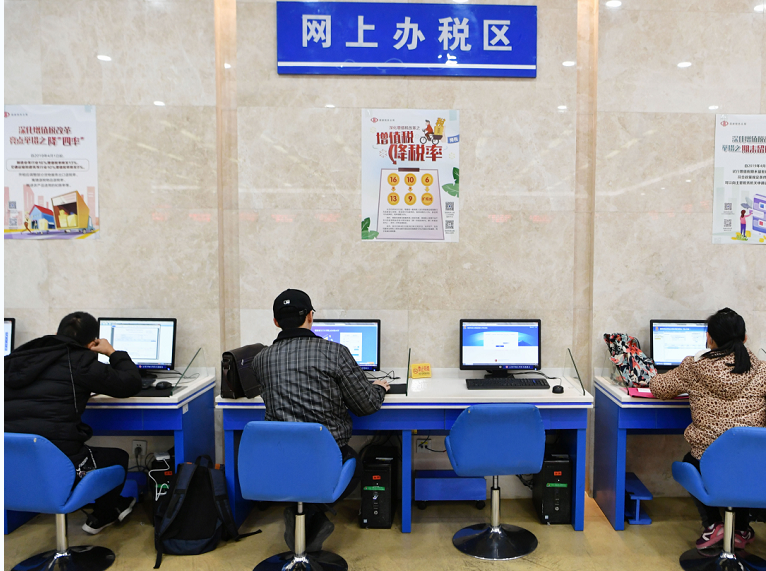
Core Viewpoint - The government has introduced a series of tax and social insurance fee reduction measures to alleviate the impact of the pandemic on businesses, especially small and medium-sized enterprises, and is focused on implementing these measures effectively [1][2]. Group 1: Social Insurance Fee Policies - The policies aim to reduce the burden of social insurance fees on enterprises, thereby lowering labor costs and boosting confidence in resuming operations. Specifically, small and micro enterprises will benefit from a maximum of 5 months of exemption from pension, unemployment, and work injury insurance contributions, while large enterprises will see a 50% reduction for up to 3 months. In Hubei province, all insured units will receive a maximum of 5 months exemption [2][4]. - Additionally, the basic medical insurance fee will be reduced by half for the employer's contribution, with a maximum duration of 5 months [4]. Group 2: Refund Procedures for Social Insurance Fees - For social insurance fees already paid in February, the tax authorities will initiate refunds for amounts eligible for exemption without requiring businesses to submit applications or related materials. For amounts eligible for a 50% reduction, priority will be given to processing refunds, and businesses can opt to use these amounts to offset future payments [4]. Group 3: Tax Filing Extensions - Due to the pandemic, tax filing deadlines have been extended, but some businesses still face difficulties in filing. A temporary measure allows businesses unable to file or apply for an extension to submit a written explanation to the tax authorities and continue with the filing process without incurring penalties or negative credit evaluations [5]. Group 4: Non-Contact Tax Services - The tax authorities have launched the "Spring Breeze Tax Service Action" to enhance convenience for taxpayers, focusing on promoting non-contact tax services. The goal is to enable over 90% of major tax services to be handled online and to increase the proportion of non-contact invoice collection from 50% in 2019 to 70% in 2020 [6][8]. - The initiative also includes speeding up the average processing time for export tax refunds by 20% from the 10 working days established in 2019 [6].
复工复产下,劳务输入大省疫情风险加大,中央指导组督促防控策略做好三大转变
Mei Ri Jing Ji Xin Wen· 2025-11-24 08:07
Group 1 - The nucleic acid testing capacity has increased from 300 tests per day to 20,000 tests per day, reducing the time from sampling to feedback from 2 days to 4-6 hours [1] - Over 330 medical teams and more than 40,000 medical personnel have been dispatched to Wuhan [1] - The cure rate for severe patients in designated hospitals in Wuhan has improved from 14% to 64% [1] - The total number of cured and discharged patients nationwide has exceeded 36,000 [1] Group 2 - The rapid increase in COVID-19 cases in Wuhan has been effectively controlled, with daily new confirmed cases dropping from a peak of 3,910 on February 13 to 313 on February 27 [3] - The proportion of severe cases among confirmed cases in Wuhan has decreased from 31.6% on February 11 to 22.4% on February 27, and the mortality rate has dropped from 9.0% to 4.4% [3][4] - In other cities of Hubei province, new confirmed cases have decreased from over 1,400 on February 12 to 5 cases, with a stable mortality rate of 3.1% [5] Group 3 - The overall situation of the epidemic is improving, but there is still a significant risk of rebound due to increased population movement as businesses and schools resume operations [11] - The national industrial enterprise resumption rate is gradually increasing, with Zhejiang exceeding 90% and several other provinces above 70% [11] - The strategy for epidemic prevention and control is shifting from static to dynamic management, with a focus on localized and precise control measures [12]

多地中欧班列恢复常态化运行 海关总署:严格司乘人员健康申报和健康监测
Mei Ri Jing Ji Xin Wen· 2025-11-24 08:07
Core Viewpoint - The Chinese government is implementing measures to support the operation of the China-Europe Railway Express amidst the ongoing pandemic, ensuring both rapid customs clearance and effective epidemic prevention. Group 1: Government Measures - The General Administration of Customs introduced 10 measures on February 24 to support the development of the China-Europe Railway Express, including allowing companies to choose customs clearance locations and supporting the construction of hub stations [5]. - These measures aim to enhance the convenience of cross-border transportation, increase the capacity of the China-Europe Railway Express, and promote trade among countries along the route [5]. Group 2: Health and Safety Protocols - The General Administration of Customs has developed specific health and quarantine guidelines for inbound and outbound trains, detailing requirements for declaration, review, inspection, and sanitation [5]. - Strict health declarations and monitoring for crew members are mandated, along with emergency response plans for potential contamination [5].
阶段性提高地方财政留用比例,新增1100亿全部留给县级,减免出租车“份子钱”……国务院再出大招
Mei Ri Jing Ji Xin Wen· 2025-11-24 08:07
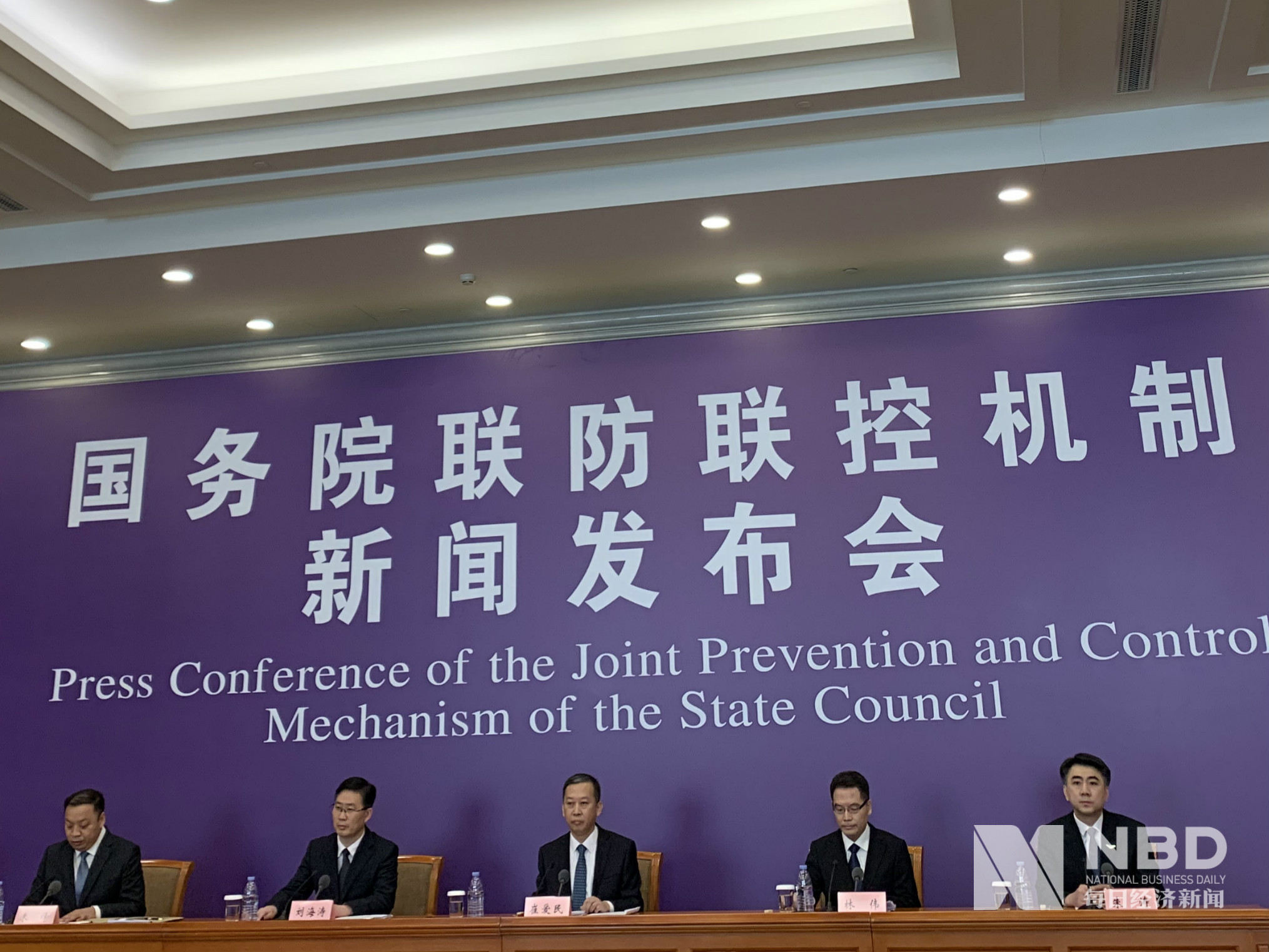
Core Points - The State Council meeting, chaired by Premier Li Keqiang, focused on enhancing the "six stability" work coordination mechanism to effectively respond to the pandemic's impact and promote stable economic and social operations [1] - Measures were determined to support the transportation and logistics industries, including tax reductions and financial support for local governments to ensure basic livelihoods and operational capabilities [1][5] Group 1: Support for Taxi Drivers - The meeting emphasized the need to assist taxi drivers who have faced significant income reductions due to decreased passenger numbers during the pandemic [3] - As of the end of 2018, there were 1.39 million taxis in China, completing 35.2 billion passenger trips, which accounted for 28% of the national urban passenger transport volume [3] - The government encouraged local authorities to implement temporary reductions in the "commission fees" that taxi drivers must pay to taxi companies, alleviating financial pressure on drivers [3][4] Group 2: Financial and Tax Relief Measures - The meeting proposed to increase the local fiscal retention ratio by 5 percentage points from March 1 to June 30, resulting in an additional 110 billion yuan allocated for county-level use [1] - Insurance companies are encouraged to provide relief by extending insurance periods and allowing deductions for insurance fees for vehicles, ships, and aircraft that were not in operation during the pandemic [4] - A series of tax reductions and fee exemptions were announced, including a 50% reduction in land use tax for warehouse land and the exemption of port construction fees for import and export goods until June 30 [10][11]
多国防护物资出现紧缺,工信部:鼓励防护服生产企业对接国外需求
Mei Ri Jing Ji Xin Wen· 2025-11-24 08:06
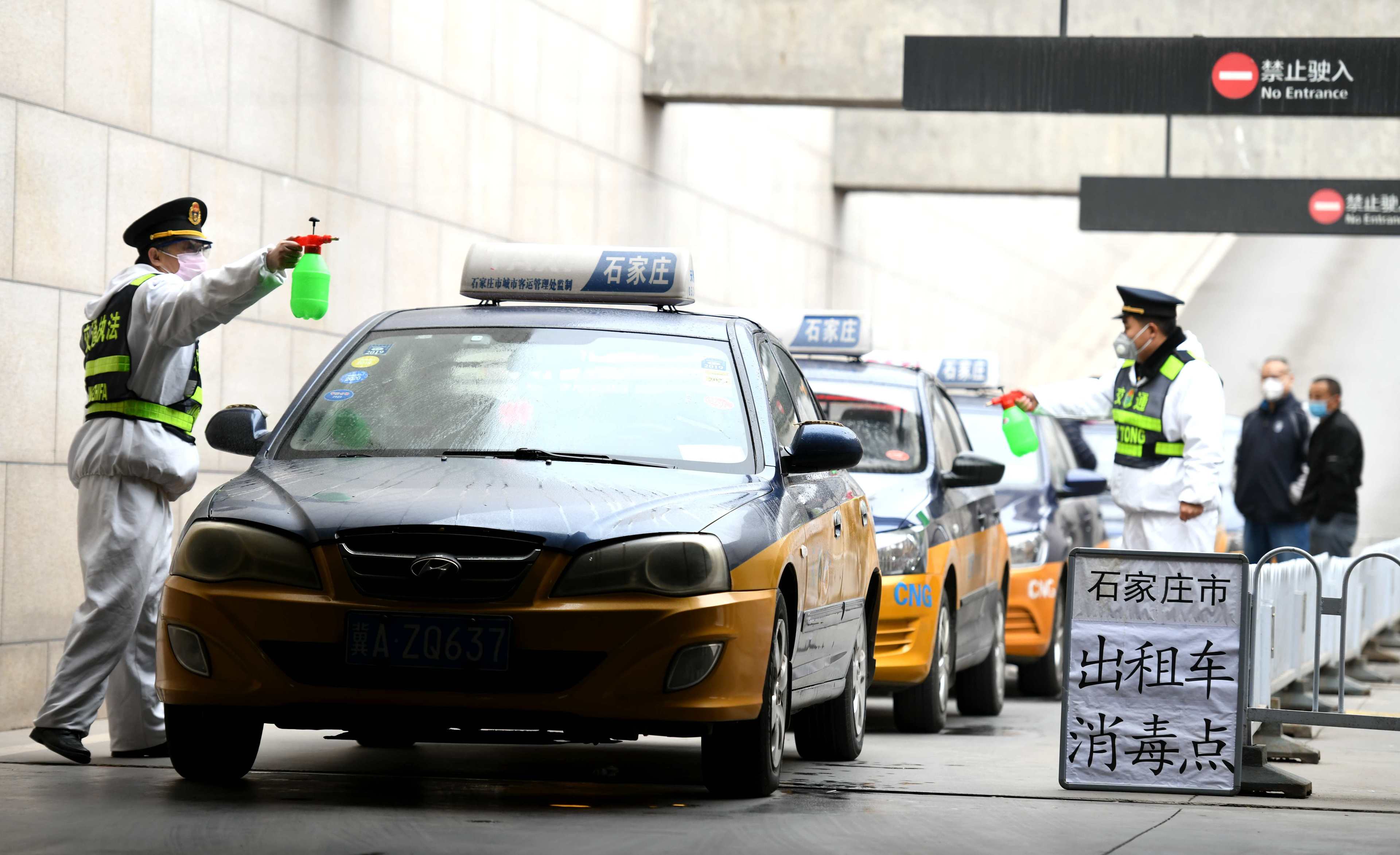
Core Viewpoint - The Chinese government is actively managing the production and supply of medical protective equipment, particularly protective clothing, in response to the COVID-19 pandemic, with a focus on meeting both domestic and international demand as the situation evolves [4][5]. Group 1: Production and Supply - Many factories in China that originally produced clothing have shifted to manufacturing protective clothing and other pandemic-related supplies, leading to a gradual increase in production capacity [4]. - The production and supply of protective clothing have transitioned from a state of severe shortage to one that can meet current demand, with daily coordination ensuring that 250,000 pieces are supplied to Hubei province, exceeding local needs for several consecutive days [4]. - The government emphasizes that despite the decline in confirmed cases nationwide, the production and supply of protective clothing should not be relaxed [4]. Group 2: Future Plans and Global Context - Moving forward, the government aims to ensure that while meeting the needs of Hubei, the production also addresses the requirements of other regions in China, enhancing production flexibility and ensuring quality [5]. - The global pandemic situation remains critical, with shortages of protective materials in various countries, prompting China to encourage domestic manufacturers to engage with international markets and produce according to relevant standards for export [5].