音乐节经济

Search documents
县城音乐节,怎么成了00后的大型庙会?
Xin Lang Cai Jing· 2025-08-13 03:03
Core Insights - The rise of music festivals in small towns is reshaping cultural engagement, attracting both local youth and famous artists, thus creating a vibrant community atmosphere [1][4][20] - The affordability of tickets, ranging from 99 to over 500 yuan, makes these events accessible to a broader audience, enhancing participation from grassroots levels [1][4] - The influx of visitors during music festivals significantly boosts local economies, with hotels and local businesses experiencing increased demand and revenue [4][19] Group 1: Music Festival Impact - Music festivals are transitioning from urban centers to county-level cities, creating a new cultural phenomenon that engages local youth [1][4] - The presence of well-known artists at these festivals has sparked a surge in local interest and participation, transforming previously quiet towns into lively cultural hubs [1][4][20] - Local businesses, including hotels and restaurants, benefit from the increased foot traffic, with some hotels reportedly charging over 1000 yuan per night during festival periods [4][19] Group 2: Economic Opportunities - The music festival phenomenon has led to innovative business strategies, such as local residents reselling hotel vouchers and creating temporary accommodations to capitalize on the influx of visitors [4][19] - Local entrepreneurs are leveraging the festival's popularity by offering services like ticket sales and food stalls, contributing to a vibrant local economy [4][19] - The event has fostered a sense of community among local residents, who actively participate in the festival's organization and promotion, enhancing local pride and engagement [5][20] Group 3: Youth Engagement - The demographic attending these festivals is predominantly young, with many participants expressing a desire to connect with peers and enjoy shared experiences [7][21] - The festivals serve as a platform for youth to explore their interests in music and culture, often leading to new friendships and social connections [20][21] - The affordability of tickets and the variety of performances encourage young people to attend, making these events a staple in their social calendars [1][20]


制造业大市冲击“演艺经济高地”
Nan Fang Du Shi Bao· 2025-05-11 23:11
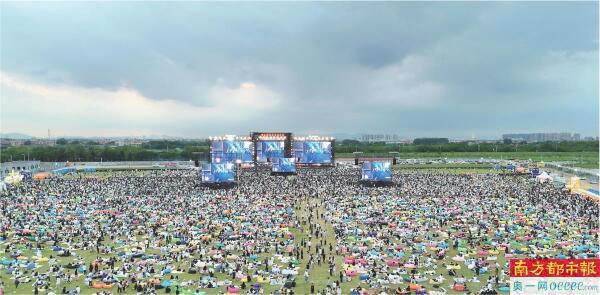
Core Insights - The recent music festivals in Foshan have significantly transformed the perception of the city from a traditional manufacturing hub to a vibrant cultural destination, attracting large crowds and generating substantial economic activity [2][6][10] Economic Impact - During the May Day holiday, Foshan hosted two major music events, drawing 120,000 attendees to a concert and 80,000 to a music festival, collectively generating over 1 billion yuan in cultural tourism consumption [2][3] - The ticket multiplier effect in music festivals is notable, with estimates suggesting that 1 yuan spent on tickets can lead to 7 yuan in additional spending, as evidenced by the 3.5 billion yuan generated by the Galaxy Left Bank Music Festival and 6.8 billion yuan from the Huachenyu concert [3][4] Tourism and Audience Engagement - Foshan ranked as the 5th most popular destination for migration during the holiday, surpassing major cities like Shanghai and Xi'an, indicating a shift in tourism dynamics [2] - A significant percentage of attendees at these events were from outside the city, with 82.9% of concertgoers and 89.2% of festival attendees coming from other cities, highlighting the growing trend of travel for cultural events [4] Urban Brand Reconstruction - Foshan is strategically leveraging its manufacturing base to integrate cultural elements, with initiatives like the "Show Plus Plan" aimed at establishing large-scale music venues and attracting top-tier performances [6][10] - The city is transforming its image through music, with social media buzz reflecting a shift in perception among younger audiences, who are redefining Foshan beyond its historical landmarks [7] Sustainable Development and Industry Ecosystem - The development of a music industry ecosystem in Foshan includes various components such as creative incubation, performance management, and equipment manufacturing, fostering a competitive environment among districts [8][9] - The city is implementing a collaborative model involving government, businesses, and residents to ensure sustainable growth in the music and cultural sectors, reducing common issues faced by other cities hosting similar events [9] Cultural Transformation Insights - The success of Foshan's music festival economy illustrates a broader trend in urban development, where industrial cities can successfully merge cultural and economic growth, creating new opportunities for innovation and talent retention [10]