预付金+周转金双重保障制度

Search documents
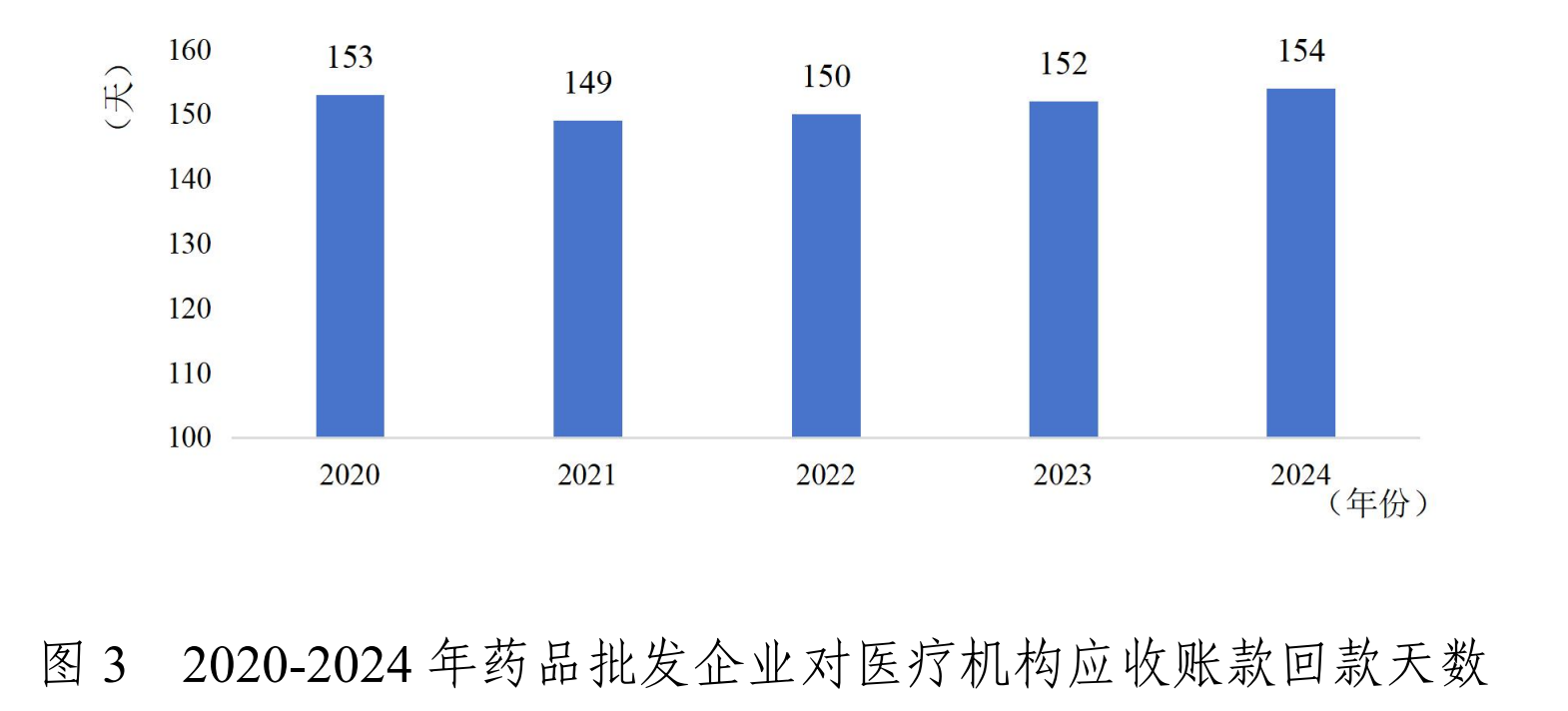
报告:药品流通企业回款周期增至154天
Di Yi Cai Jing· 2025-12-09 10:29
Core Insights - In 2024, the average accounts receivable collection period for pharmaceutical distribution companies from medical institutions has extended to 154 days, indicating continued cash flow pressure in the industry [1][3]. Group 1: Accounts Receivable Situation - The average accounts receivable collection period for pharmaceutical wholesale companies has remained around 150 days over the past five years, meaning companies typically wait about five months to receive payment after selling drugs to hospitals [3]. - The prolonged collection period has contributed to financial strain on pharmaceutical companies, with some publicly listed companies reporting losses as a result [3]. Group 2: Factors Affecting Collection Period - Three main reasons for the extended accounts receivable period include: 1. The post-payment mechanism of medical insurance, where hospitals must first advance drug payments, leading to delays if insurance settlements are not timely [3]. 2. The cancellation of drug markups in public hospitals has led to revenue structure adjustments, causing financial strain on hospitals and affecting their ability to pay pharmaceutical companies [3]. 3. Many public hospitals are operating at a deficit, lacking sufficient funds to make timely payments to pharmaceutical companies [3]. Group 3: Policy Initiatives and Improvements - The National Healthcare Security Administration has initiated a "three-settlement" approach to improve cash flow, allowing for immediate settlements between medical insurance and designated medical institutions, as well as direct settlements with pharmaceutical companies [4]. - Innovative practices in regions like Jiangxi and Hainan have significantly reduced the payment collection period from 180 days to 30 days, enhancing the cash flow efficiency for pharmaceutical suppliers [4].