餐饮行业闭店潮

Search documents
上市餐饮公司关十店,你还在傻傻充钱?
Sou Hu Cai Jing· 2026-02-11 12:14
作为创业者,如果没有从业经验,或者还有别的出路,听哥一句劝,别进餐饮业。 作者:施南(抱朴财经评论员) 前两天,我去某餐厅吃饭,预付1000元可以赠送200元,此前,我曾参与过这个活动,存的钱已经用完了。 当服务员再次提醒我可以参与这个活动的时候,我环顾了一下餐厅,人气冷清,我有点怕怕,万一这餐厅关门了呢? 就算这餐厅的总店不关门,分店关门了,我也受不了,总店实在太远,于是拒绝充值,按次结算。 我的警惕是有原因的,某些食客日前就中招了,还是上市公司旗下的餐厅。 2月10日晚间,上海小南国发布公告称,旗下十家餐厅暂时停止运营,目前公司正在为顾客办理相关资金退还事宜,将确保所有押金及预付卡妥善退还给顾 客。 当然,确实有消费者收到了小南国的退款,但也有消费者告诉《扬子晚报》记者,自己手中有两张储值卡,余额分别约3000元、5000元,至今未能联系上店 家。 还有充值消费者表示,店家电话始终无法接通,已拨打12345市民热线反映情况,目前正在等待回复。你看,快过年了,还有烦心事。 但是,小南国并非等闲之辈。 小南国是1987年成立于上海的中式餐饮集团,核心业务为经营本帮菜的中高端连锁餐饮,旗下拥有"小南国中餐"、" ...


机构数据:一线城市餐厅闭店率35% 仅北京人均消费还能过百
Sou Hu Cai Jing· 2025-12-05 01:57
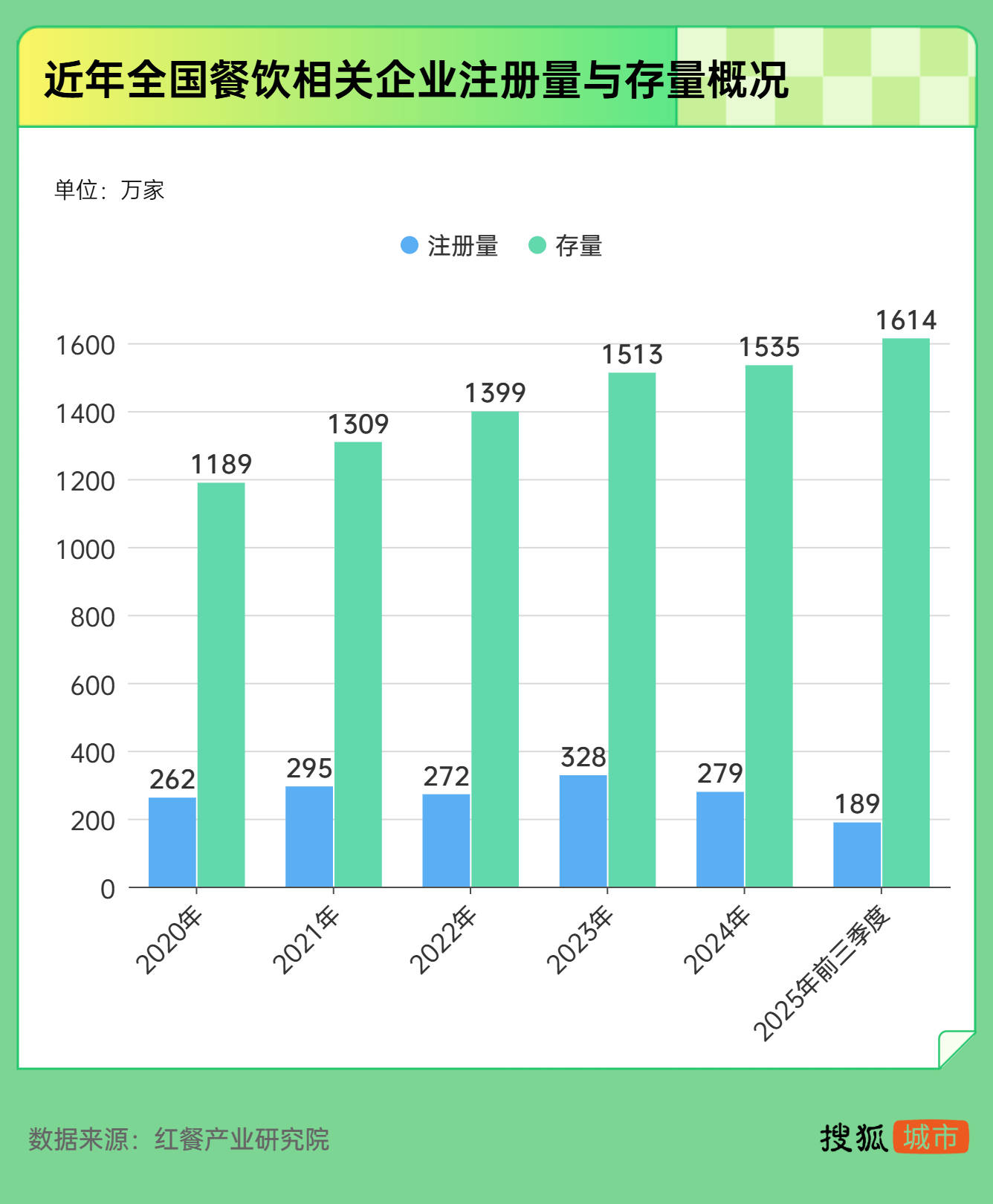
Group 1 - The restaurant industry in China is undergoing a significant transformation, with a national average closure rate of 22.66% for restaurants from 2024 to 2025 [1] - Major cities like Beijing, Shanghai, Guangzhou, and Shenzhen have a restaurant closure rate of 35%, while third-tier cities and above have an overall closure rate of approximately 32% [3][1] - The average per capita consumption in the restaurant sector has declined, with a national average of 33 yuan in Q3 this year, representing a 23.6% decrease compared to two years ago [3][1] Group 2 - Beijing is the only city where per capita restaurant consumption exceeds 100 yuan, with a figure of 124.3 yuan, which is 1.7 times higher than Shanghai [6] - Among 45 key cities, only eight have per capita restaurant consumption above 50 yuan, indicating a concentration of higher consumption in cities with greater disposable income [6] - 80% of key cities have per capita restaurant consumption below 50 yuan, with cities like Nanchang and Xining showing consumption levels below 40 yuan [10] Group 3 - The number of high-end restaurants (above 500 yuan per capita) in Shanghai has decreased from 2,700 to 1,300, a reduction of 52% from January to April 2025 [14] - Profit margins for restaurant businesses in Beijing and Shanghai have dropped by over 50% compared to two years ago, with significant increases in operational costs [15] - The new social security regulations have forced many restaurant owners to control labor costs strictly, impacting their operational strategies [15]