马尔萨斯陷阱变种

Search documents
14万亿 vs 1万亿:谁杀死了波士顿这只下金蛋的鹅?
Xin Lang Cai Jing· 2026-01-24 13:33
Core Insights - The article discusses the dramatic shift in the technology landscape over the past two decades, highlighting the stark contrast in enterprise value between San Francisco Bay Area and Boston, with the former generating $14 trillion compared to Boston's $1 trillion [5][7]. Group 1: Factors Contributing to Boston's Decline - Boston possesses significant intellectual resources, including top universities like Harvard and MIT, and a historical legacy of tech companies, yet it has failed to translate these advantages into successful innovation [9][11]. - The article attributes Boston's failure to a misguided belief in "inputs-first delusion," where policymakers assume that having the best facilities and talent will automatically lead to innovation, neglecting the importance of a supportive ecosystem [11][14]. - The regulatory environment in Massachusetts has been detrimental, with policies that treat the tech industry as a cash cow, leading to burdensome taxes and regulations that stifle innovation [16][18]. Group 2: Regulatory and Cultural Issues - Specific examples of regulatory predation include the refusal to adopt federal tax exemptions for small business stocks, the introduction of a millionaire's tax, and sales tax on software services, which collectively signal a lack of support for entrepreneurs [18][20][22]. - The article highlights a culture of exploitation within Boston's venture capital scene, where investors leverage information asymmetry to extract concessions from entrepreneurs, creating a hostile environment for startups [27][29]. - The interconnectedness of local elites, including university endowments and venture capitalists, perpetuates a system that prioritizes their interests over fostering genuine innovation [32][34]. Group 3: Broader Implications for the Tech Industry - The decline of Boston serves as a microcosm for potential challenges facing the broader U.S. tech industry, emphasizing the need for a supportive ecosystem that values innovation over regulatory compliance [35][41]. - The article warns against the dangers of a society that punishes creators while rewarding those who merely manage or distribute resources, suggesting that this could lead to a stifling of innovation [44][45]. - It advocates for a shift towards environments that encourage entrepreneurial spirit and innovation, urging individuals to seek out places that foster growth rather than impose restrictive regulations [45].

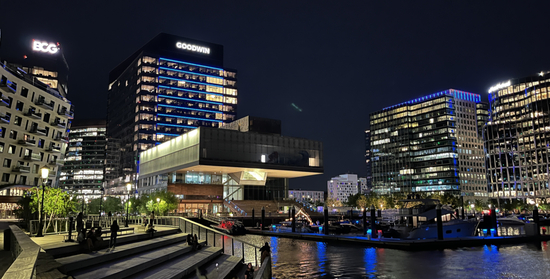
14万亿 vs 1万亿:谁杀死了波士顿这只下金蛋的鹅?
创业邦· 2026-01-20 10:46
Core Viewpoint - The article discusses the decline of Boston as a technology hub compared to the San Francisco Bay Area, attributing this to a combination of misguided policies, regulatory predation, and a failure to foster a supportive innovation ecosystem [5][9][42]. Group 1: Historical Context - In 2004, top investors identified San Francisco and Boston as the leading software hubs, with Boston leveraging its prestigious universities like MIT and Harvard [5][11]. - By today, the San Francisco Bay Area has generated $14 trillion in enterprise value, while Boston has only managed $1 trillion, highlighting a significant disparity [5][9]. Group 2: Factors Contributing to Boston's Decline - Boston possesses key resources such as intellectual density, historical significance in technology, and a strong talent network, yet it has failed to translate these into successful outcomes [11][12][13]. - The article identifies "Inputs-first Delusion" as a critical issue, where Boston's policymakers mistakenly believe that having the best facilities and talent will automatically lead to innovation [18]. Group 3: Regulatory Issues - Regulatory predation is highlighted as a major factor in Boston's decline, where the government views the tech industry as a cash cow rather than nurturing it [20][22]. - Specific policies, such as the refusal to adopt QSBS exemptions and the imposition of a millionaire's tax, have created a hostile environment for entrepreneurs [22][25]. Group 4: Cultural and Economic Dynamics - The article critiques the local venture capital culture in Boston, which has shifted from a collaborative spirit to a predatory approach, where investors exploit entrepreneurs [30][33]. - The decline of trust and the rise of a "managerial class" that complicates business operations have further exacerbated the situation, leading to a loss of innovation [27][28]. Group 5: Lessons for the Future - The article emphasizes the importance of creating a low-friction business environment and fostering trust to build a successful innovation ecosystem [42]. - It warns against industries that prioritize financial manipulation over value creation, suggesting that such environments are detrimental to innovation [43]. - The need for technology to address moral questions about its societal impact is also highlighted, as failure to do so may lead to backlash against innovators [44].