高端饮品赛道

Search documents
巨头们都在押注的白桦树汁是智商税吗?
首席商业评论· 2025-12-01 04:29
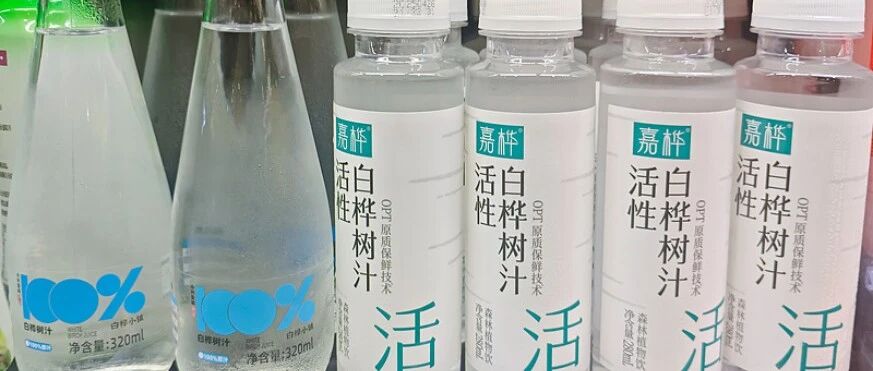
Core Viewpoint - The article discusses the rising popularity of birch sap as a trendy health drink, highlighting its nutritional claims and the influx of major beverage companies entering the market despite skepticism about its health benefits [5][7][20]. Market Overview - Birch sap, priced between 8 to 30 yuan, with some premium products reaching over 50 yuan, has seen a surge in sales, exceeding 100 million yuan in revenue within a year [5][8]. - Major brands like Nongfu Spring, Huiyuan, and Yuanqi Forest have launched their own birch sap products, indicating a competitive market landscape [7][17]. Nutritional Claims - Birch sap is claimed to contain 17 amino acids, 8 trace elements, and various polyphenols and flavonoids, marketed as a "liquid gold" with health benefits such as anti-fatigue and detoxification [7][10]. - However, some experts argue that the actual health benefits are overstated, with the drink primarily serving as a hydration source [12][21]. Consumer Perception - Consumer feedback is mixed, with some praising its taste and health benefits, while others criticize it as merely sweetened water with minimal health effects [10][12]. - The market's current demand is driven by a trend towards natural and health-oriented beverages, as consumers shift away from sugary drinks [20][24]. Industry Dynamics - The cost of birch sap has increased from approximately 1,700 yuan per ton to 6,000 yuan per ton, leading to inflated product prices and concerns about quality control among various brands [20][21]. - The entry of large companies into the birch sap market is motivated by the potential for high profit margins and alignment with health trends, despite challenges in raw material supply and sustainability [21][24]. Future Considerations - The sustainability of birch sap sourcing is a concern, as increased demand may threaten local ecosystems and product quality [23][26]. - For long-term success, brands must focus on product innovation, quality control, and responsible marketing, moving away from exaggerated health claims to ensure a stable market presence [26].