首席商业评论

Search documents
跨境电商版Sora开启公测,下一代营销视频解决方案出现了?
首席商业评论· 2026-01-27 00:12
Core Insights - The article discusses the challenges faced by e-commerce practitioners, particularly small and medium-sized sellers, in navigating policies, supply chains, and market competition while highlighting a transformative opportunity in the marketing video sector driven by Multi-Agent AI technology [2][3]. Group 1: Marketing Challenges - E-commerce sellers are experiencing increased marketing costs, with advertising video expenses rising to over 10% of sales in 2025, compared to below 8% in previous years, leading to significant profit margin pressure [4]. - The traditional video production process is time-consuming and costly, often requiring weeks to produce high-quality marketing videos for platforms like Amazon and TikTok [4][6]. - The need for localized marketing content across different regions adds complexity, as cultural and linguistic differences necessitate tailored video production, further increasing costs and time [6][7]. Group 2: AI Video Tools Limitations - Many existing AI video tools have significant shortcomings in commercial applications, such as inconsistencies between products and models, unstable brand logo presentation, and physical logic errors in generated videos, which can deter consumer interest [6][7]. - The "impossible triangle" of high quality, high efficiency, and low cost in marketing video production remains a challenge, with traditional methods being costly and inefficient, while AI tools often fail to deliver satisfactory quality [7]. Group 3: Emergence of Multi-Agent AI Solutions - A new AI video tool, inSai Hilight, has emerged, promising to generate high-quality marketing videos quickly and efficiently, with users reporting generation times of around thirty minutes [9][12]. - Hilight utilizes a multi-agent architecture that simulates a professional team, allowing for collaborative work on video production, which enhances the quality and consistency of the final output [18][20]. - The tool's ability to maintain cross-modal and product-character consistency significantly reduces the barriers for small sellers, enabling them to produce marketing videos without the need for extensive resources or expertise [15][27]. Group 4: Impact on E-commerce Landscape - The introduction of Hilight represents a shift towards "capability equality," allowing small sellers to access tools previously reserved for larger companies, thus democratizing video production capabilities [27]. - By lowering the production costs and increasing the efficiency of high-quality marketing content creation, Hilight could enable e-commerce sellers to focus more on product innovation and brand value, potentially transforming competitive dynamics in the industry [24][27][29].


2026年我国潮玩产业总价值或突破1000亿元|首席资讯日报
首席商业评论· 2026-01-26 09:36
Group 1: Industry Insights - The Chinese潮玩 (trendy toys) industry is projected to exceed 100 billion yuan in total value by 2026, with an average annual growth rate of over 20% [2] - The cosmetics market in China is expected to surpass 1.1 trillion yuan in total transaction value by 2025, with domestic brands increasing their market share to 57.37% [13] Group 2: Company Developments - Xibei's founder, Jia Guolong, announced a return to frontline operations, focusing on core business rather than personal branding [3] - Luoyang Molybdenum has completed the acquisition of Brazilian gold mines, expecting to produce 6-8 tons of gold this year [6] - Aixin Yuanzhi has passed the Hong Kong Stock Exchange hearing and is on track to become the first "Chinese edge AI chip stock" [11] Group 3: Technological Advancements - A new type of "smart" chip developed by a research team, including the Milan Polytechnic University, significantly reduces energy consumption while enhancing data processing speed, with applications in AI and next-generation wireless communication [5] - Samsung Electronics is set to supply HBM4 chips to Nvidia and AMD starting in February, strengthening its position in the AI chip market [7] Group 4: Regulatory and Policy Changes - The implementation of protective farming practices for black soil in Northeast China is set to cover 11.2 million acres by 2025 [8] - Hong Kong has introduced new traffic safety regulations requiring all passengers in public transport and commercial vehicles to wear seatbelts, with penalties for non-compliance [10] - The regulatory environment for listed companies in China has tightened, with over 90 companies facing administrative penalties in 2025 [9]

0:4,我们还是输在了“意识”能力
首席商业评论· 2026-01-26 01:30
Group 1 - The core viewpoint of the article emphasizes the importance of "anticipation" and "insight" in both football and business competition, suggesting that these skills are crucial for achieving success [10][12][21] - The Chinese U23 football team reached the finals of the Asian Cup but lost to Japan, highlighting the need for improvement in offensive strategies to secure victories [4][21] - The article discusses the critical difference in "anticipation awareness" between the Chinese and Japanese teams, which contributed to the quick goals conceded by China [7][8][10] Group 2 - The concept of "anticipation" is likened to an algorithm that enhances decision-making success rates in competitive environments, whether in sports or business [11][12] - The article draws parallels between sports competition and business strategy, emphasizing the need for companies to develop unique predictive algorithms to navigate market challenges effectively [12][19] - Examples of companies like Huawei and Apple illustrate how strategic foresight and adaptability can determine success in rapidly changing markets [17][19]

胖东来的第一批学徒,已经挂科了
首席商业评论· 2026-01-25 04:48
Core Viewpoint - The article discusses the challenges and complexities of replicating the "胖东来" (Pang Donglai) retail model, highlighting the difficulties faced by other supermarkets in adopting this approach and the unique characteristics that define Pang Donglai's success [5][8][29]. Group 1: Industry Challenges - The retail industry is experiencing significant turmoil, with major players like 永辉超市 (Yonghui Supermarket) and 中百 (Zhongbai) reporting substantial losses, while 胖东来 continues to thrive, achieving a sales target of 20 billion yuan ahead of schedule [8][9]. - The traditional supermarket model relies heavily on key account (KA) relationships, which often leads to high fees for suppliers and a lack of control over product selection [10][12]. - The shift towards a new model, as exemplified by 胖东来, involves reducing reliance on KA and focusing on direct consumer sales, which requires a fundamental change in operational strategy [12][13]. Group 2: Management and Organizational Structure - The difficulties in adopting the 胖东来 model stem from the need to overhaul existing procurement systems and the entrenched interests within traditional supermarket structures [13][14]. - The management challenges include maintaining high standards of employee compensation and performance while ensuring that the complexities of large-scale operations do not dilute the effectiveness of management practices [16][22]. - 胖东来’s approach to employee compensation is notably generous, with base salaries for various positions significantly higher than industry standards, which is intended to reduce corruption and improve performance [16][21]. Group 3: Learning from 胖东来 - Other supermarkets attempting to learn from 胖东来 often struggle to implement the necessary changes, as the model requires a deep understanding of operational efficiency and customer engagement [9][30]. - The article emphasizes that simply copying products or practices from 胖东来 is insufficient; a comprehensive transformation of the business model and culture is essential for success [12][31]. - The unique characteristics of 胖东来, including its focus on self-branded products and customer-centric strategies, make it difficult for competitors to replicate its success without significant organizational changes [12][29].


特朗普总是TACO的背后是什么?世界还会好吗?
首席商业评论· 2026-01-25 04:48
Core Viewpoint - The article discusses the concept of "TACO" (Trump Always Chickens Out), highlighting how former President Trump's negotiation tactics often involve extreme threats followed by retreats, impacting global trade dynamics and U.S. foreign policy [4][10]. Group 1: TACO's Origins and Impact - TACO began with the implementation of "reciprocal tariffs" on April 2, 2025, where a 10% baseline tariff was imposed on all trade partners, escalating to higher rates for countries with significant trade deficits with the U.S. [10][12]. - The tariffs on Chinese goods peaked at 145%, leading to a significant drop in U.S. imports from China by over 40% in May 2025, indicating a temporary decoupling of U.S.-China trade [12][14]. - The average tariff rate on Chinese goods reached approximately 29.3% by November 2025, with exemptions for essential consumer goods [14]. Group 2: TACO's Predictable Cycle - Trump's TACO strategy follows a predictable cycle: extreme pressure, market panic, asset price reactions, tactical retreats, and then claiming victory [15]. - Each TACO instance serves not only as a negotiation tactic but also as a means to divert attention from domestic issues, such as the Epstein documents scandal [15][16]. Group 3: Global Reactions and Consequences - The article emphasizes that TACO has weakened the credibility of U.S. negotiations, with global markets becoming desensitized to Trump's tactics, potentially leading to more aggressive policies if left unchecked [18][20]. - European leaders express concern over their reliance on the U.S., facing a critical juncture where they must either unite or risk fragmentation under U.S. pressure [20][22]. Group 4: Future Implications of TACO - The article suggests that Trump's unpredictable nature complicates international relations, as his administration's tactics could lead to significant geopolitical shifts [22][25]. - The TACO approach reflects a broader "America First" strategy, where even allies are subjected to pressure, raising concerns about the future of U.S. foreign policy and international cooperation [25][26]. Group 5: Economic Strategies and Market Dynamics - As the 2026 midterm elections approach, Trump's administration is expected to aggressively manipulate energy prices to secure political support, aiming to lower gasoline prices significantly [27][28]. - The potential for oil price manipulation could lead to volatility in global markets, particularly affecting relationships with key allies like Saudi Arabia [31].

五粮液:白酒行业将逐渐步入修复期|首席资讯日报
首席商业评论· 2026-01-25 04:48
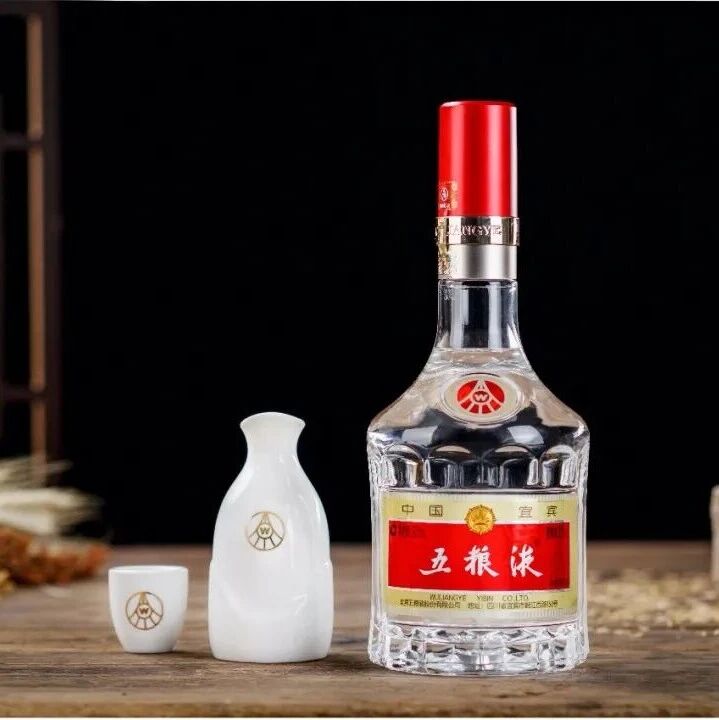
Group 1 - Wuliangye believes that the liquor industry will gradually enter a recovery period due to the continuous improvement of the macro economy, the rebound in consumer demand, and the ongoing support from various industrial policies [2] - Tesla plans to start training its Optimus robot at the Austin factory next month, indicating a potential acceleration in the mass production of humanoid robots, which may revolutionize manufacturing and logistics [2] - In Guangzhou, the consumption by foreign visitors through overseas bank cards and mobile payments exceeded 35 million transactions, amounting to over 11.3 billion yuan, with year-on-year growth of 57% and 58% respectively [3] Group 2 - Hainan Free Trade Port is expected to see a significant increase in passenger flow during the upcoming Spring Festival, with an estimated 22.368 million travelers [4] - In Hunan, the financial system has shown reasonable growth, with total deposits reaching 8.91 trillion yuan, a year-on-year increase of 8.2%, and loans totaling 7.89 trillion yuan, up 6.1% [5] - The first unprofitable company, Shenzhen Dapu Microelectronics, has received approval for its IPO registration on the ChiNext board, marking a significant milestone for the board [6] Group 3 - By 2025, the wholesale and retail industry in China is projected to achieve an added value of 14.6 trillion yuan, with a year-on-year growth of 5.0%, accounting for 10.4% of GDP, a historical high [7] - The scale of China's bank wealth management market has surpassed 33 trillion yuan, with a year-to-date growth of 11.15%, and the number of investors holding wealth management products has increased by 14.37% [8] - Zhongke Aerospace has completed its IPO counseling, transitioning from "counseling acceptance" to "counseling work completed" [9] Group 4 - BYD plans to increase its vehicle deliveries outside of China to 1.3 million units by 2026, representing a nearly 25% increase from last year's overseas deliveries of 1.05 million units [10] - The price of iPhone Air has dropped significantly, with discounts leading to a price reduction of nearly 3000 yuan in three months, making it more competitive in the market [11][12] - Over 10% of Japanese manga artists and illustrators have reported a decline in income due to generative AI, with some experiencing income drops of over 50% [12]
争夺太空,中国放大招了
首席商业评论· 2026-01-25 04:48
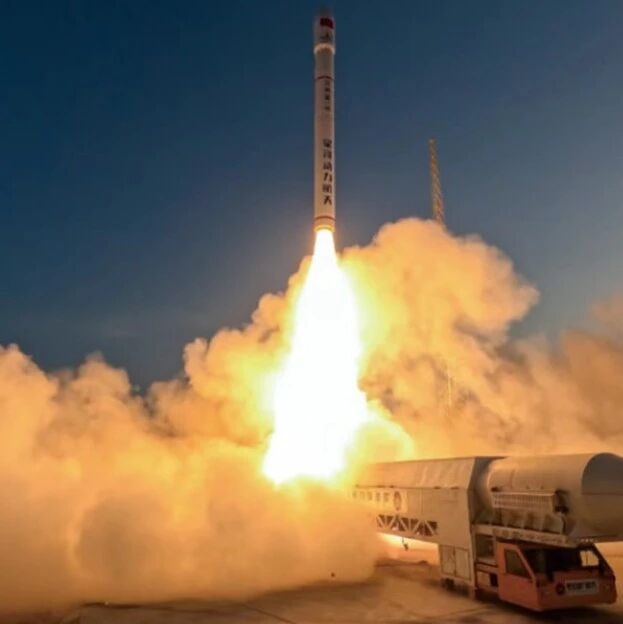
Core Viewpoint - The article emphasizes the urgency and significance of China's recent application for approximately 203,000 low and medium Earth orbit satellites, which is a strategic move in the global space race against competitors like SpaceX and other international players [5][7][8]. Group 1: China's Satellite Application - In late 2025, China submitted a record application for about 203,000 satellites, which is five times the number planned by SpaceX's Starlink and 15 times the current total number of satellites in orbit globally [7]. - The International Telecommunication Union (ITU) operates on a "first come, first served" basis for satellite frequency and orbital resource allocation, making this application a critical strategic maneuver for China [8][9]. - The urgency is underscored by the ITU's introduction of a milestone mechanism, requiring satellites to be launched within specific timeframes, emphasizing the need for rapid deployment to secure future technological advancements [9]. Group 2: Global Competition - Following China's application, the U.S. Federal Communications Commission (FCC) quickly approved SpaceX's request to deploy an additional 7,500 Starlink satellites, indicating a heightened competitive response [7]. - SpaceX's ambitious plans include launching over 1,000 missions annually by 2026, significantly increasing its satellite deployment capabilities [11][12]. - The competition for low Earth orbit is intensifying, with various countries and companies, including Amazon's Project Kuiper and the European Union's IRIS², also vying for orbital slots [13]. Group 3: China's Response and Infrastructure Development - China is rapidly developing its commercial space launch capabilities, with significant construction efforts at multiple launch sites, including Wenchang, aiming for a launch capacity of over 60 missions per year by 2026 [15][17]. - The establishment of a dedicated Commercial Space Administration in China marks a significant step towards the industrialization and marketization of its space sector, enhancing its competitive edge [17][18]. - China's satellite constellation plans include the deployment of over 38,000 satellites across three major constellations by 2035, necessitating an average of 10 satellite launches per day to meet these goals [19].
5000亿!一战封神,他是中国最成功的美国人
首席商业评论· 2026-01-24 03:58
Core Viewpoint - The article narrates the journey of BeiGene, a leading biopharmaceutical company in China, founded by John V. Oyler and Wang Xiaodong, highlighting its evolution from a startup to a global player in innovative drug development, overcoming significant challenges along the way [4][5]. Group 1: Investment and Founding - In 2010, John V. Oyler, an accomplished entrepreneur, and Wang Xiaodong, a prominent scientist, decided to establish a world-class biopharmaceutical company in China, aiming to innovate and sell drugs globally [4][6]. - Oyler's previous successes included selling BioDuro for $77 million and leading Genta to a valuation of $1.7 billion [6][7]. - The decision to base the company in China was driven by the country's large population, the return of trained scientists, and favorable government initiatives aimed at fostering innovation in drug development [10][11]. Group 2: Early Challenges - BeiGene faced severe financial constraints in its early years, with initial funding of just over $30 million, while drug development typically requires around $1 billion and ten years [13]. - The company attempted to license drugs from Johnson & Johnson but faced setbacks when the drugs did not perform as expected in clinical trials, leading to a significant morale drop within the team [14]. - Oyler sought funding from various sources, including investment firms and pharmaceutical companies, during a critical period when the company was on the brink of collapse [15]. Group 3: Strategic Decisions - In 2014, BeiGene opted for a "de-CRO" strategy, choosing to build its own clinical teams rather than outsourcing to contract research organizations, which was a common practice in the industry [18][19]. - The company expanded its internal clinical development team to over 3,000 members, allowing it to conduct trials in 45 countries and maintain control over costs and data quality [20]. - Oyler's leadership led to multiple successful public listings, including on NASDAQ and the Hong Kong Stock Exchange, which helped secure necessary funding [22]. Group 4: Major Partnerships and Growth - In 2017, BeiGene formed a strategic partnership with Celgene, which provided significant upfront payments and equity investment, enhancing its commercial capabilities [22][23]. - The company faced a crisis when Celgene was acquired by Bristol-Myers Squibb, leading to the termination of their partnership, but it quickly rebounded by securing a new partnership with Amgen [25][27]. - BeiGene's innovative drug, Brukinsa (Zebutinib), became a market leader after demonstrating superior efficacy in head-to-head trials against the established drug Imbruvica [31][33]. Group 5: Financial Performance and Future Outlook - By 2025, BeiGene reported sales of 27.595 billion yuan, a 44.21% increase year-on-year, and achieved a net profit of 1.139 billion yuan, marking a significant turnaround from previous losses [36]. - The company’s market capitalization exceeded 500 billion yuan, solidifying its position as a leading player in the Chinese pharmaceutical market [36]. - The planned rebranding to BeOne Medicines reflects its global ambitions and successful transition into a profitable biopharmaceutical enterprise [36].

恒大汽车等被执行2亿|首席资讯日报
首席商业评论· 2026-01-24 03:58
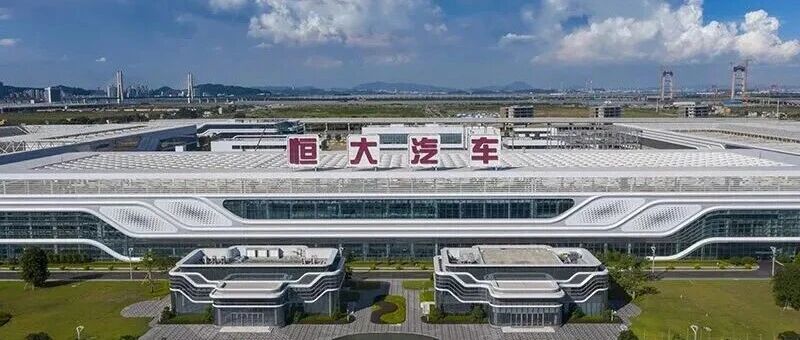
Group 1 - Evergrande Auto and its subsidiaries have been listed as defendants in a legal case with an execution amount exceeding 200 million yuan, as reported by Tianyancha [2] - Moutai has corrected the packaging for its 53% vol 500ml classic version of Moutai liquor (Year of the Horse) and plans to resume production on January 23, 2026 [3][4] - The Ministry of Industry and Information Technology has announced the 2025 National Key R&D Program for the industrialization of high-tech achievements, with a two-year implementation period [4] Group 2 - Victory Technology has denied rumors of placing an order for 1,000 ultra-fast devices with Dazhu CNC, stating that the information circulating online is false [5] - Shanghai has registered 8 new generative AI services, bringing the total to 153 registered services as of January 23 [6] - Ericsson reported a 6% year-on-year increase in sales for Q4 2025, with sales amounting to 69.29 billion Swedish Krona and an adjusted EBITA of 12.7 billion Swedish Krona, achieving a profit margin of 18.3% [7] Group 3 - TikTok has announced the establishment of a U.S. data security joint venture, TikTok USDS Joint Venture LLC, which will handle data protection, algorithm security, and content review in the U.S. [8][9] - The inventory of passenger vehicles in China is projected to reach 3.65 million units by the end of December 2025, with a year-on-year increase of 600,000 units [10] - UBS plans to offer cryptocurrency trading services to select private banking clients, marking a significant move into the digital asset space [11] Group 4 - Reports of Tesla's Full Self-Driving (FSD) system being approved in China next month have been deemed false by reliable sources [12] - The company behind the "Is it dead?" app has been listed as operating abnormally due to remote work, according to the Zhengzhou market supervision authority [13] - Tongyuan Environment clarified that it is not involved in the optical module industry chain and has no business ties with Wang Xiaodong's employer [14]
90后体育生卖饺子,年入25亿
首席商业评论· 2026-01-24 03:58
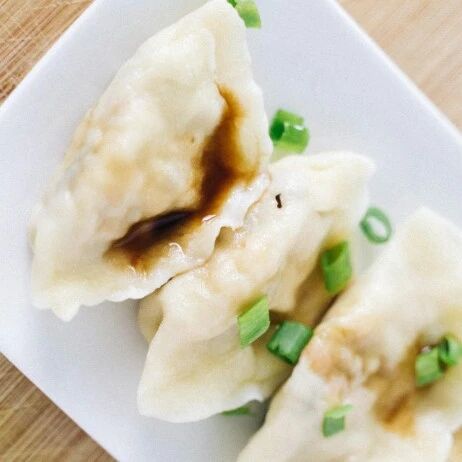
Core Viewpoint - The article highlights the rapid expansion and growth of Yuanji Cloud Dumplings, which has become the largest Chinese fast-food chain globally, with a significant increase in store numbers and revenue over recent years [5][6][18]. Group 1: Expansion and Growth - As of early 2023, Yuanji Cloud Dumplings had 1,990 stores, which increased to 4,266 by September 2025, marking a growth of 2.14 times [5][6]. - The average opening rate is one to two new stores every three days, indicating aggressive expansion [5]. - By November 2025, the total number of stores exceeded 5,000, showcasing the brand's rapid growth trajectory [13]. Group 2: Financial Performance - In 2023, the company's revenue was 2.026 billion yuan, which grew to 2.561 billion yuan in 2024, representing a year-on-year increase of 26.4% [5][6]. - For the first three quarters of 2025, revenue reached 1.982 billion yuan, reflecting an 11% increase compared to the same period in 2024 [6][18]. - The average net profit per order was approximately 0.99 yuan in 2023, 0.72 yuan in 2024, and 0.91 yuan in the first nine months of 2025, indicating a low-margin business model [21]. Group 3: Business Model and Market Strategy - Yuanji Cloud Dumplings operates primarily as a fast-food chain, focusing on convenience and affordability, with menu items priced between 15 to 25 yuan [8][9]. - The majority of its stores (95%) are franchise-operated, relying on a supply chain model where revenue is generated from selling ingredients to franchisees [18]. - The company is expanding into lower-tier cities, with the number of stores in third-tier and below cities increasing from 617 in 2023 to 1,121 by the third quarter of 2025, nearly doubling its presence [16][17]. Group 4: Challenges and Future Directions - The brand faces challenges in maintaining consumer recognition and expanding its franchise network, which is crucial for sustained growth [22]. - Future growth strategies include targeting the northern market and university campuses, although there are concerns about regional taste preferences [22][23]. - The company is also exploring international expansion, having opened its first overseas store in Singapore in late 2024 and planning further openings in Southeast Asia [23].