高跟鞋文化演变

Search documents
高跟鞋本是男鞋,有钱有势的男性最爱穿,怎么变成女鞋又被女性抛弃?
3 6 Ke· 2025-09-11 23:55
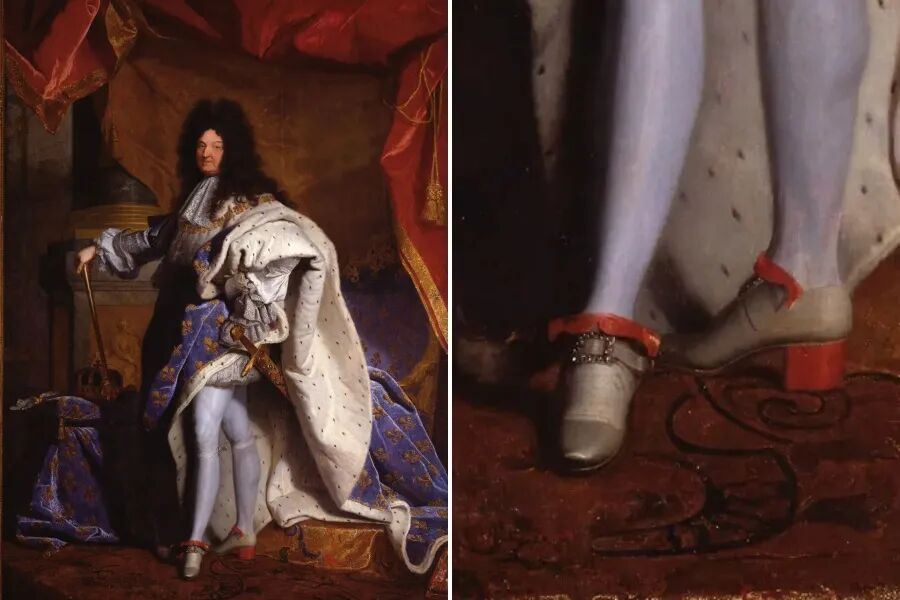
Core Viewpoint - High heels, originally a symbol of male power and practicality, have seen a decline in popularity among women, particularly the younger generation, who find them uncomfortable and outdated [1][3][15]. Historical Context - High heels were first worn by Persian cavalry in the 10th century for practical reasons, allowing soldiers to secure their feet in stirrups while shooting arrows [5][7]. - The trend spread to European nobility in the late 16th century, where high heels became a status symbol, with King Louis XIV of France famously wearing 10 cm heels to enhance his stature [7][8]. Evolution of High Heels - Over time, high heels evolved, with men's styles becoming more robust and women's styles becoming more delicate and curved [9]. - The Enlightenment led to a shift in men's fashion towards practicality, resulting in a decline in high heel popularity among men, while women's high heels saw a resurgence in the 19th century [9]. Modern Trends and Health Concerns - The introduction of stiletto heels in the 1950s marked a significant fashion shift, but these styles have been linked to various health issues, including foot pain and deformities [11][12]. - Recent years have seen a decline in high heel sales globally, exacerbated by the COVID-19 pandemic, which increased remote work and casual attire [15]. Cultural Shifts - While some companies still require women to wear high heels, the choice has largely become personal, reflecting broader societal changes in fashion and gender norms [15]. - Interestingly, after a long absence, some men have begun to embrace high heels again, showcasing a shift in cultural perceptions [15][17].