黑河水资源统一管理与调度

Search documents
连续21年不干涸一泓澄碧锁流沙——河西走廊母亲河复苏的黑河样本
Zhong Guo Jing Ji Wang· 2025-12-19 13:16
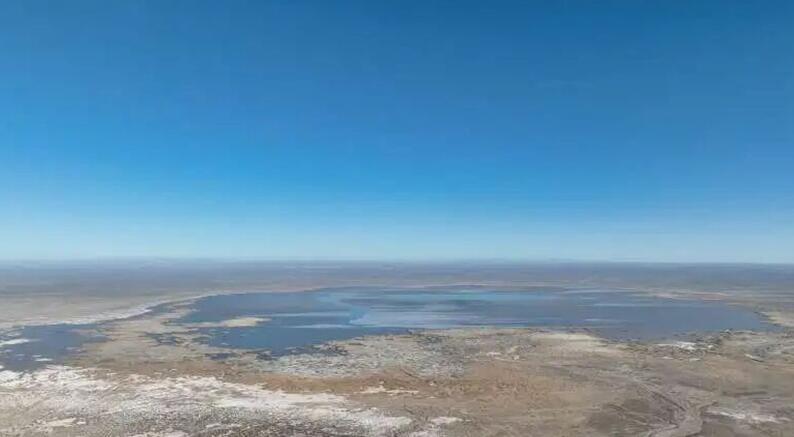
Core Viewpoint - The article highlights the successful ecological restoration and management of the Heihe River, emphasizing the importance of water resource allocation and unified scheduling to revive the river's ecosystem and support regional development [3][9][17]. Group 1: Ecological Restoration - The Heihe River has seen a significant reduction in water flow to its lower reaches, with a nearly 80% decrease since the 1950s, leading to severe ecological degradation in the Ejina Oasis [2][3]. - The implementation of unified water flow scheduling since 2000 has resulted in the successful restoration of the river's ecosystem, with the East Juyan Lake achieving 21 consecutive years of no desiccation by 2025 [5][6][12]. - The ecological flow rate at the Yingluoxia hydrological section has reached a 100% compliance rate, indicating a significant improvement in the river's ecological health [16]. Group 2: Water Resource Management - The establishment of the Heihe River Basin Management Bureau has marked a historic shift in water resource management, focusing on coordinated efforts across upstream and downstream regions [3][9]. - A total of 95 unified scheduling measures have been implemented, resulting in 169.62 billion cubic meters of water entering the Ejina Oasis, revitalizing its ecosystem [9][12]. - The introduction of innovative water management practices, including satellite monitoring and real-time adjustments, has enhanced the efficiency and effectiveness of water resource allocation [10][12]. Group 3: Economic and Social Impact - The ecological improvements have led to a resurgence in tourism and trade in the Ejina region, with significant increases in tourism revenue and local economic development [17]. - The agricultural sector has benefited from water-saving measures, with a reported 30.07% reduction in water usage per unit of GDP since 2020, demonstrating a shift towards sustainable practices [13][16]. - The overall improvement in the ecological environment has fostered social stability and ethnic unity in the region, contributing to a harmonious community [17].