AI与艺术融合

Search documents
对话苏大宝:与国际沙画同行交流,不需要刻意体现中国特点,因为我就是中国人
Xin Lang Cai Jing· 2026-02-05 06:54
Core Viewpoint - The development and significance of sand painting as an art form, its connection to Chinese culture, and its potential for international cultural exchange are highlighted through the insights of Su Daba, a pioneer in the field. Group 1: Sand Painting Development - Su Daba chose sand painting due to a lack of development space in traditional art forms and a desire for personal breakthrough, leading to a unique exploration of this art form since 2004 [3][4] - The challenges faced in sand painting include limited reference materials and the need for self-exploration to develop a creative system over years [3][4] - The use of high-quality sand, specifically quartz sand, has become standardized in the practice, enhancing the artistic quality of the work [4] Group 2: Artistic Process and Innovation - Sand painting shares similarities with traditional Chinese ink painting, emphasizing process and the pursuit of artistic expression [5][7] - The performance aspect of sand painting involves a combination of pre-planned sketches and spontaneous creativity, requiring extensive practice to achieve fluidity during live performances [6][8] - The art form's appeal lies in its unique ability to tell stories through a cohesive and dynamic process, integrating music, painting, and performance [7][10] Group 3: Cultural Exchange and Education - Sand painting serves as an effective medium for cultural exchange due to its non-verbal nature, allowing artists from different backgrounds to share their stories [9][10] - The growing interest in sand painting is reflected in the establishment of numerous associations and educational initiatives across China, indicating its potential as a new art category [18][19] - Su Daba's efforts in promoting sand painting include organizing international competitions and integrating it with educational programs, enhancing its visibility and appreciation [10][18] Group 4: Personal Journey and Future Prospects - Su Daba's journey in sand painting is documented in his book "I Am a Grain of Sand," which aims to inspire future generations with themes of perseverance and creativity [17] - The increasing number of practitioners and associations indicates a bright future for sand painting, despite the challenges of establishing it as a recognized art form [18][19] - The integration of modern technologies like AI in the creative process is seen as a complementary tool rather than a replacement, enhancing the efficiency of artistic expression [15]

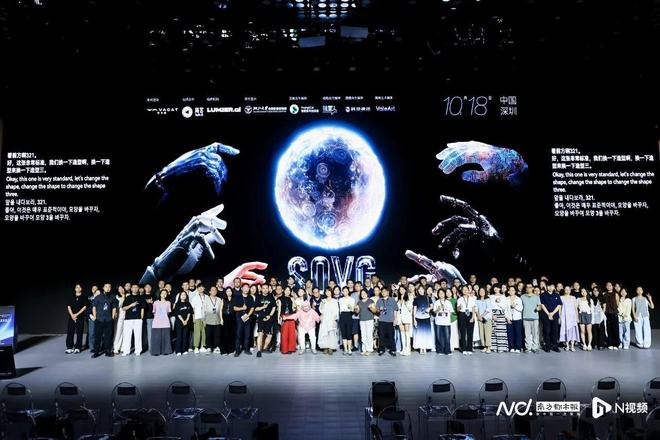
瓦卡奖AI视觉技术工作坊开讲,共探全球视野下的AI艺术
Nan Fang Du Shi Bao· 2025-10-18 15:41
Core Insights - The second AI Visual Creativity Competition (VACAT) was held in Longgang District, Shenzhen, showcasing the integration of AI technology in art [1][3] - The event featured a workshop with 22 top experts and artists discussing the latest breakthroughs in AI visual technology and its innovative applications in art [3][4] Group 1: Event Overview - The VACAT competition took place from October 17 to 19, co-hosted by the Longgang District Government, Shanghai Film Co., and Bilibili [1] - The AI Visual Technology Workshop was a key activity, highlighting the international perspective with experts from countries like France, the Netherlands, Germany, and South Korea [3] Group 2: Expert Insights - Felipe Franco emphasized that AI and art can coexist as creative partners, urging artists to maintain authenticity while collaborating with machines [8] - Wu Guanjun praised the international vision of the VACAT, stating that AI's involvement breaks language barriers and fosters global interaction [8][10] Group 3: Educational Perspectives - Experts discussed the relationship between AI technology, art, and humanistic education, exploring new possibilities in university and vocational education [11] - Fan Shengxi highlighted the importance of design in making technology more approachable and emphasized a shift in teaching methods towards guiding students in knowledge integration [13] Group 4: Future Directions - Zhao Bozuo proposed a systematic support framework for creators, aiming to elevate the VACAT to an annual industry event that bridges academia, art, and industry [15] - Luo Xiao noted significant improvements in audience professionalism and work quality, advocating for student participation in competitions to enhance creative standards [17] Group 5: The Role of AI in Art - Shao Yilei discussed the transition of AI from a technical to a conceptual focus, stressing the need for cultivating humanistic qualities in AI art creation [18] - The event underscored a consensus that AI is not a competitor to art but a collaborative force that enhances creativity and cultural continuity [23]