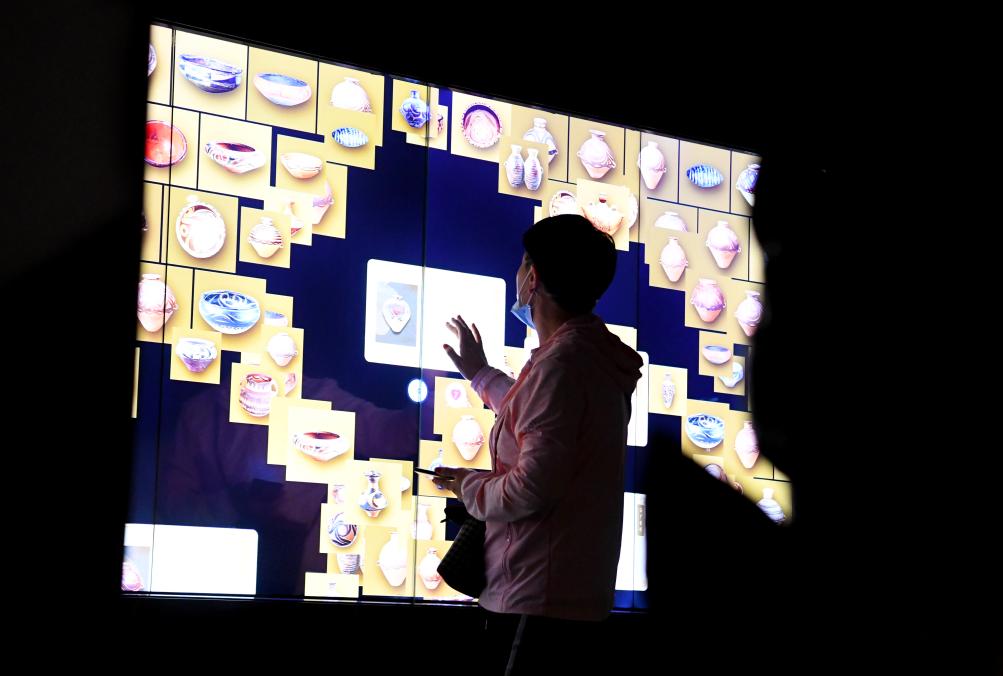
AI技术在博物馆的应用

Search documents
博物馆进入“沉浸时代”,感官残障观众如何“入场”
Zhong Guo Qing Nian Bao· 2025-12-03 00:05
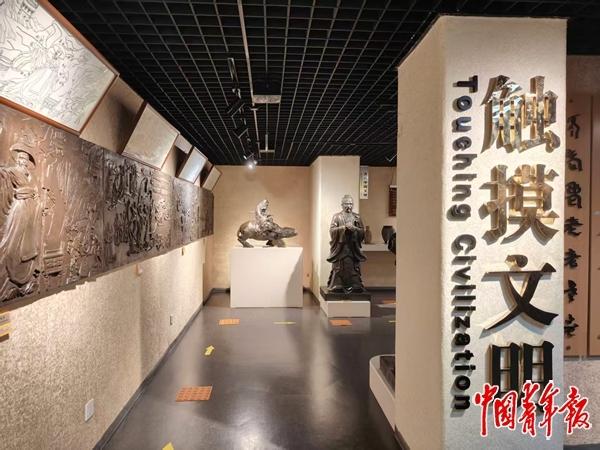
如今,许多博物馆将视觉、听觉、触觉等多种感知方式融合,创造出多层次、立体的参观体验,让观众 能更深入地感受和理解展览及其背后的文化。博物馆不再仅仅是一个保存文物、举办展览的场所,而是 逐渐集学习、社交和休闲于一体的文化客厅。 当越来越多博物馆在走向"沉浸式"和"互动性",感官残障人士在参观时,如何最大程度获取展品信息, 获得更深入、更有情绪价值的体验?在第34个"国际残疾人日"即将到来之际,中青报·中青网记者走访 多方,试图寻求解答。 残障人士的需求从"能进入"向"能深度体验"升级 湖南男孩林林今年9岁,4岁时就医诊断出视神经萎缩,如今只能感到光暗。过去几年,林林的爸爸妈妈 带他去多地问诊手术,也带他去当地的名胜古迹、博物馆。林林总是很期待,想要亲身抵达并"看看"北 京故宫、苏州园林。 妈妈唐君告诉中青报·中青网记者,许多场馆有盲文导览图和盲文导览册,她和孩子也会租耳机听讲 解,但缺乏视障人群专门的讲解版本。"希望能有视障人群专有版本,能对展品外形有更详细的描述, 比如长宽高、颜色与材质等。现在很多自助讲解耳机只是把展柜有的文字复现了一遍,没有太多信息增 量。" 林林喜欢触摸,在有的博物馆,他只能摸墙面突出的 ...
博物馆进入“沉浸时代”,感官残障观众如何“入场” | 文化中国行
Zhong Guo Qing Nian Bao· 2025-12-02 06:47
如今,许多博物馆将视觉、听觉、触觉等多种感知方式融合,创造出多层次、立体的参观体验,让观众 能更深入地感受和理解展览及其背后的文化。博物馆不再仅仅是一个保存文物、举办展览的场所,而是 逐渐集学习、社交和休闲于一体的文化客厅。 当越来越多博物馆在走向"沉浸式"和"互动性",感官残障人士在参观时,如何最大程度获取展品信息, 获得更深入、更有情绪价值的体验?在第34个"国际残疾人日"即将到来之际,中青报·中青网记者走访 多方,试图寻求解答。 残障人士的需求从"能进入"向"能深度体验"升级 2024年12月3日,中国盲文图书馆·视障文化博物馆与甘肃省图书馆共同举办的"流动的博物馆"活动现 场。活动方供图 19岁的杨天心先天感音神经性耳聋,戴助听器可以放大声音,但她告诉中青报·中青网记者,听不清不 是因为声音小,而是"分辨率"不够,模糊的声音要配合观察说话人的口型,来判断对方说了什么。 她还是视网膜色素变性患者,如今双眼裸眼视力0.05,矫正视力0.3。平时她会使用一些辅助的软件,通 过镜头扫描场景识别物体或文字。她也了解到,会有视障人士在博物馆用AI工具来了解展品。 "盲人去博物馆的意义是什么?和在家听相关内容有什么 ...

打破三大边界!博物馆在变革中持续“破圈”
Xin Hua Wang· 2025-05-18 04:45
Core Insights - The article highlights the growth and transformation of museums in China, emphasizing their evolving roles in society and the integration of technology to enhance visitor experiences [1][3][4] Group 1: Visitor Engagement and Growth - In 2024, approximately 1.49 billion visitors are expected to visit 7,046 museums in China, indicating an increase in both audience and museum numbers compared to the previous year [1] - The theme for International Museum Day 2024 is "The Future of Museums in a Rapidly Changing Society," reflecting the shift in museums from traditional roles to becoming cultural connectors [1] Group 2: Technological Integration - Museums are leveraging advanced technologies such as AI and digitalization to enhance the preservation and presentation of artifacts, allowing for immersive experiences and virtual interactions [3][4] - Digital models of collections are being utilized for online displays, immersive exhibitions, and virtual restoration, providing extensive opportunities for long-term preservation and utilization of artifacts [1] Group 3: Cultural Products and Consumer Engagement - The introduction of cultural and creative products (文创) has led to significant sales, with several major museums reporting annual sales exceeding 100 million yuan, driven largely by younger audiences [3][4] - Innovative collaborations, such as "Museum + Dining" and "Museum + Gaming," are expanding cultural consumption and enhancing visitor engagement [4] Group 4: Interactive Experiences - Museums are moving away from traditional display methods to more interactive and immersive experiences, allowing visitors to engage with exhibits in novel ways [7] - The focus has shifted from object-centered to visitor-centered experiences, encouraging public participation and interaction with cultural heritage [7]