AI研发自动化

Search documents
AI研发AI--世界上最重要也最危险的技术,也是众多AI巨头的目标
Hua Er Jie Jian Wen· 2026-02-05 08:22
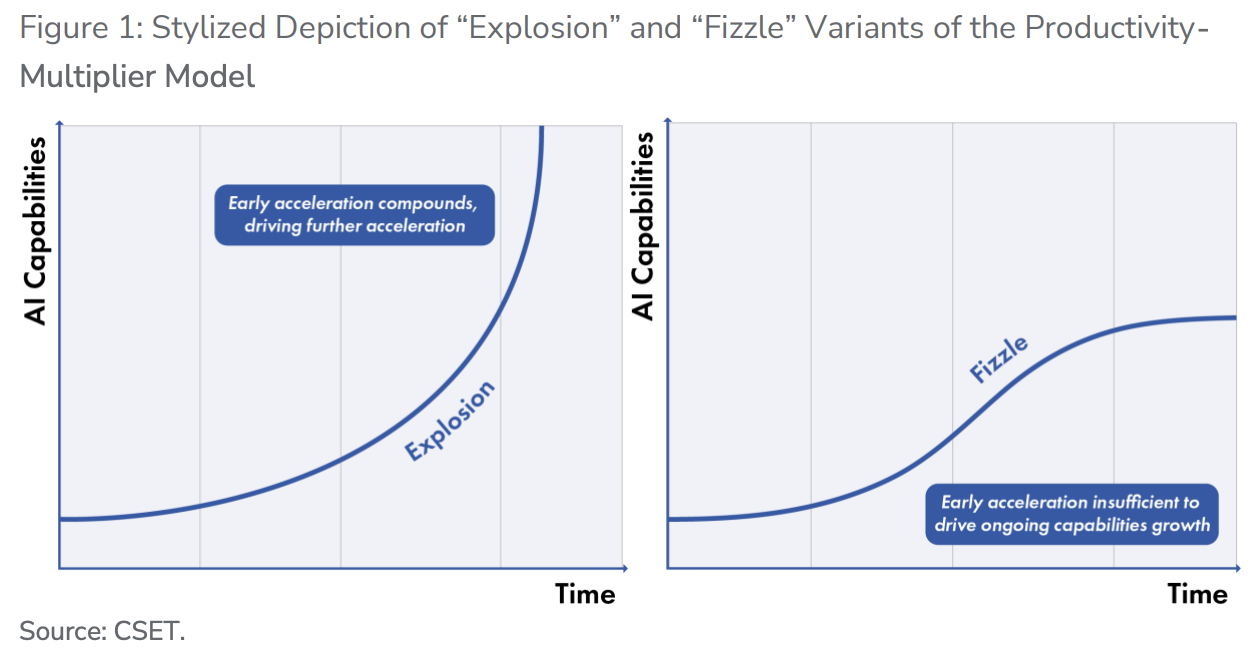
Core Insights - The emergence of AI systems capable of autonomously developing more advanced AI poses unprecedented challenges to human understanding and control over technological evolution [1][2] - A report from the Center for Security and Emerging Technologies (CSET) indicates that this process has already begun and may accelerate in the coming years, leading to significant strategic surprises [1][3] - OpenAI plans to create a "truly automated AI researcher" by March 2028, highlighting the ongoing trend of advanced AI companies using their own models to accelerate research and development [1][5] Group 1: AI Development Automation - Leading AI companies are already utilizing their best models to assist in building better models, with AI's contributions to research increasing over time [5][6] - AI is providing the most value in engineering tasks, particularly in programming, where it significantly reduces the time required to solve problems [5][6] - The report outlines various potential trajectories for AI development automation, including models predicting rapid progress leading to extreme automation and advanced capabilities, versus slower progress reaching a plateau [7][8][10] Group 2: Potential Scenarios and Models - The "productivity multiplier model (explosive version)" suggests that as AI systems automate more of the AI development process, productivity could increase dramatically, potentially leading to a scenario where human involvement is minimal [8] - The "Amdahl's law model" posits that AI can only automate specific areas of AI development, leaving certain tasks reliant on human input, thus limiting overall progress [10] - The "expanding pie chart model" indicates that while AI may rapidly advance in certain areas, human researchers will still be essential for ongoing contributions to development [13] Group 3: Monitoring and Transparency - There is a consensus among participants that establishing a monitoring framework for AI development automation is crucial, as current empirical evidence is insufficient to measure and predict its trajectory [17][19] - The report suggests focusing on three categories of indicators: broad AI capabilities, specialized benchmarks for AI development, and internal progress indicators within leading AI companies [17][18] - Improving transparency in AI development is highlighted as a key policy goal, with recommendations for mandatory disclosure of critical metrics and targeted whistleblower protections [19][20] Group 4: Implications for Power Dynamics - High levels of AI development automation will enhance the importance of computational power for companies and nations, potentially allowing those with control over computational resources to accelerate their AI research significantly [20] - The rapid evolution of AI systems could lead to a shift in power dynamics, favoring organizations that can leverage faster AI development capabilities [20]