AI 自动化

Search documents
深度解析谷歌版「豆包手机」:Android 的统治者下了一盘什么棋?
3 6 Ke· 2026-02-27 01:47
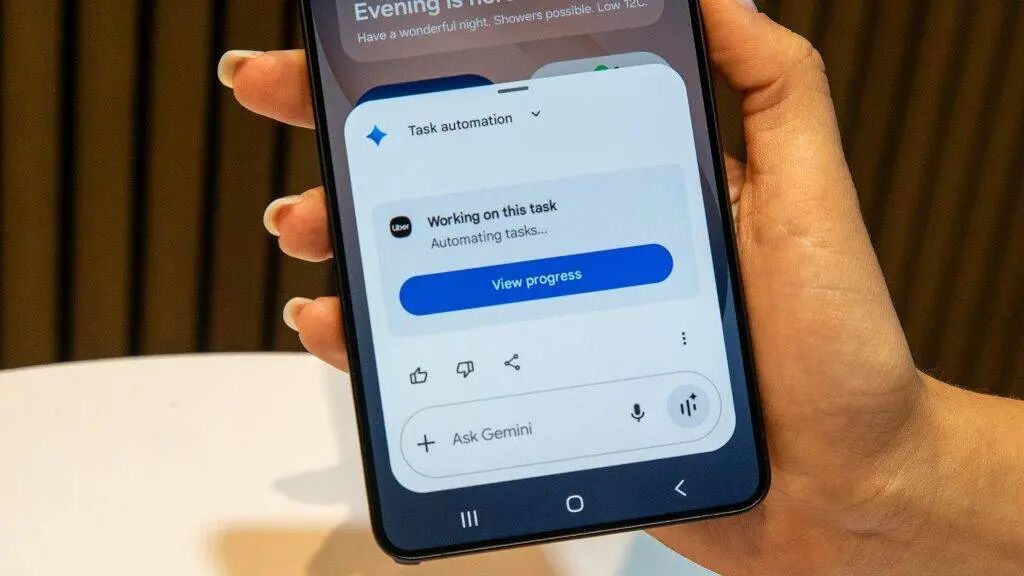
Core Insights - The article discusses the evolution of AI in hardware design, particularly focusing on the collaboration between Google and Samsung in developing the Gemini AI capabilities for the Galaxy S26 series, which aims to enhance user interaction with smartphones [1][2][3]. Group 1: AI Integration in Hardware - AI is beginning to reshape hardware design, with devices like the Galaxy S26 incorporating new functionalities that allow for automated tasks through voice commands [3][5]. - The Gemini AI can perform tasks such as ordering food or booking rides by mimicking human interactions with apps, showcasing a significant advancement in user experience [8][9]. Group 2: Collaboration and Ecosystem - The partnership between Google and Samsung is pivotal, as Google, being the owner of the Android operating system, brings substantial influence to the integration of AI into mobile devices [6][20]. - The introduction of the AppFunctions framework allows developers to expose specific app functionalities for AI assistants to utilize, enhancing compatibility and user experience across various applications [20][23]. Group 3: Future Directions and Challenges - Google plans to expand the capabilities of Gemini beyond smartphones to other devices like smart glasses and cars, indicating a broader vision for AI integration in daily life [35][36]. - The article highlights potential challenges, including privacy concerns and competition among hardware manufacturers, AI model providers, and application platforms, which could complicate the implementation of AI automation [36][38].