
Billionaire tax

Search documents
Uber founder Travis Kalanick says he moved to Texas, as California billionaire tax looms
MarketWatch· 2026-03-23 08:59
Core Insights - Uber co-founder Travis Kalanick has confirmed his relocation from California to Texas for personal business interests [1] Company Impact - The move may indicate a shift in the business environment preferences among tech entrepreneurs, potentially influencing other companies to consider relocating [1]



California crypto startup moves to South Dakota as debate over proposed wealth tax heats up
Yahoo Finance· 2026-01-21 11:00
Company Overview - BitGo, a California cryptocurrency startup, has relocated its headquarters from Palo Alto to Sioux Falls, South Dakota, ahead of its initial public offering, amid discussions regarding a proposed billionaire tax in California [1][4] - The company is targeting a valuation of $1.96 billion and provides tools for businesses to manage and secure their digital assets [2] Office Space and Employment - BitGo occupies 5,250 square feet of office space in Sioux Falls under a lease that will expire in 2028, and previously had offices in multiple locations including San Francisco, Palo Alto, New York, Canada, India, Germany, Singapore, South Korea, and Dubai [2] - As of September, BitGo employed 566 full-time employees, with some positions available for remote work [2][3] Regulatory Environment - The move to South Dakota is part of a trend where businesses are relocating due to dissatisfaction with California regulations, as seen with other companies like Oracle and X [4] - The proposed Billionaire Tax Act in California would impose a one-time 5% tax on individuals with a net worth exceeding $1 billion, aiming to raise $100 billion primarily for healthcare [5][7] Industry Reactions - Critics of the proposed tax, including BitGo's CEO Mike Belshe, argue that it could deter startups from founding in California, questioning the viability of new businesses under such taxation [6] - Proponents of the tax maintain that fears of billionaires leaving California are exaggerated, despite some tech leaders relocating their companies [6][7]
Jensen Huang is ‘perfectly fine’ with a billionaire tax, shrugging off concerns that it might scatter Silicon Valley’s talent pool
Yahoo Finance· 2026-01-07 15:46
Core Viewpoint - The proposed 5% one-time tax on California billionaires, which could significantly impact high-net-worth individuals like Nvidia CEO Jensen Huang, has raised concerns about potential talent migration from the state [1][2]. Group 1: Tax Proposal and Reactions - The proposed bill would impose a one-time, 5% tax on approximately 200 billionaires in California, with Huang facing a potential tax payment of nearly $8 billion due to his net worth of $156 billion [1]. - Huang expressed indifference towards the tax proposal, stating that it has not affected his thoughts on operating in Silicon Valley, emphasizing the importance of the talent pool in the region [2][3]. - Reports indicate that other wealthy individuals, such as venture capitalist Peter Thiel and Google co-founder Larry Page, are considering relocating outside California due to the proposed tax [2]. Group 2: Impact on Nvidia Executives - The proposed tax would also affect other Nvidia executives, including CFO Colette Kress and executive vice president Jay Puri, both of whom have seen their wealth exceed $1 billion due to significant stock holdings in the company [3]. - Nvidia's stock price has increased by over 35% in the past year, contributing to the rising fortunes of its executives [4]. - The company has implemented effective retention strategies, such as golden handcuff agreements, to keep talented staff motivated despite their increasing wealth [4].

Roundup: The billionaire tax / Big bucks / Cash out
Baton Rouge Business Report· 2026-01-02 19:16
Group 1: California Billionaire Tax - A proposed "billionaire tax" in California would impose a one-time, 5% tax on assets of individuals with net worths above $1 billion as of New Year's Day [1] - The tax would apply to various assets including stocks, artwork, and intellectual property rights, rather than income, with a five-year payment period for billionaires [1] Group 2: Insider Selling by Tech Executives - Mega-cap technology companies significantly contributed to U.S. stock market gains in 2025, with executives engaging in substantial insider selling totaling over $16 billion [2] - Jeff Bezos led the sales by selling 25 million shares of Amazon.com Inc. for $5.7 billion, while other executives like Jayshree Ullal of Arista Networks Inc. sold nearly $1 billion in stock [2] - Most top sellers utilized prearranged 10b5-1 trading plans for their transactions [2] Group 3: OpenAI's Compensation Strategy - OpenAI is providing unprecedented stock-based compensation to its employees, averaging about $1.5 million per person across its workforce of roughly 4,000 employees [3] - This compensation level is over seven times larger than what Google offered before its 2004 IPO and approximately 34 times the typical pre-IPO compensation at 18 other major tech firms, adjusted for inflation [3] - The generous equity packages reflect the intense competition for elite AI talent in the industry [3]

Ro Khanna Defends Billionaire Tax, Says Critics Are 'Glossing Over Silicon Valley History' As Peter Thiel, Others Threaten To Leave
Benzinga· 2025-12-28 02:32
Core Viewpoint - Rep. Ro Khanna supports a billionaire tax in California, which would impose a tax of up to 5% on residents with a net worth exceeding $1 billion, despite threats from wealthy individuals to leave the state if implemented [2][6]. Group 1: Tax Details - The proposed tax would charge individuals with at least $20 billion in assets a one-time tax of $1 billion starting January 1, 2026 [2]. - A 1% tax on billionaires is intended to fund healthcare amidst federal Medicaid cuts [3]. Group 2: Economic Impact and Innovation - Khanna argues that the tax will not hinder future innovation in Silicon Valley, referencing the region's history of fostering tech companies [3][4]. - He cites the example of Nvidia's founder, Jensen Huang, who established the company in Silicon Valley due to its resources, not tax considerations [4]. Group 3: Reactions and Debate - The proposed tax has ignited a debate among California's wealthiest, with figures like Peter Thiel threatening to relocate if the tax is enacted [5][6]. - Critics, including billionaire investor Bill Ackman, warn that such aggressive tax policies could drive entrepreneurs and major employers out of California, potentially harming job creation and economic growth [8]. Group 4: Taxation Context - California's wealthiest residents have faced scrutiny over their tax contributions, with a study indicating that the effective tax rate for the richest 0.0002% decreased from 30% to 24% after the 2017 GOP tax overhaul [7]. - Supporters of the billionaire tax view it as a means to address this imbalance and ensure fair contributions from the state's wealthiest [7].
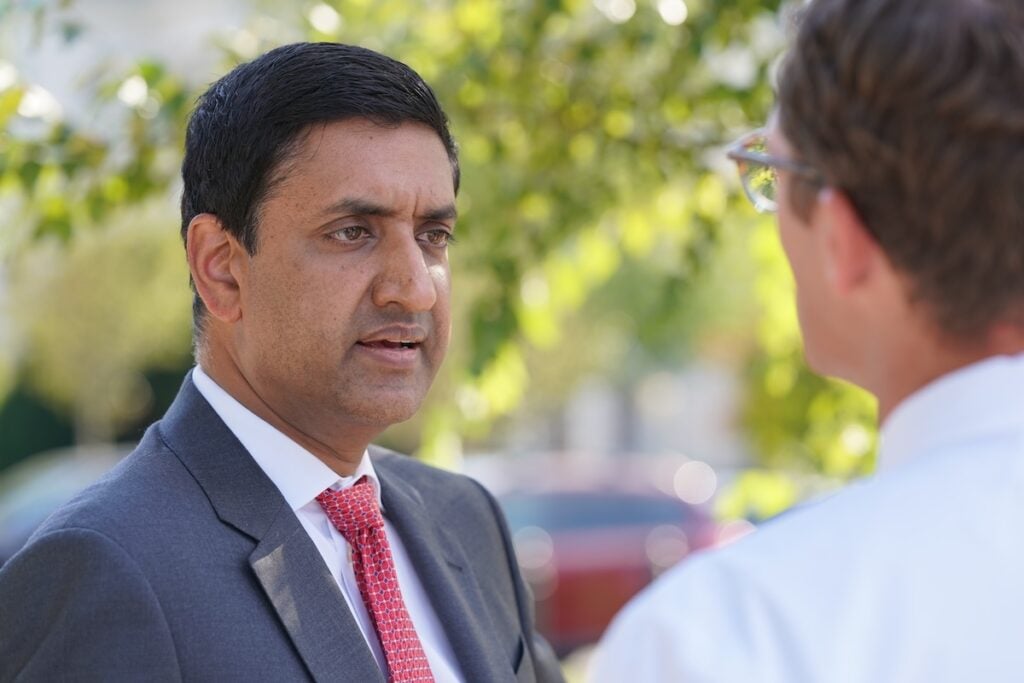
Billionaire Mark Cuban says abolishing billionaires would mean destroying the stock market and wiping out Americans' savings
Yahoo Finance· 2025-10-24 18:14
Core Argument - The only way to eliminate billionaires would be to destroy the stock market, which would negatively impact the savings of ordinary Americans [1][2]. Group 1: Wealth Inequality and Stock Market - Mark Cuban asserts that extreme wealth is an inevitable outcome of the market system, stating that billionaires will exist as long as stock markets do [2][6]. - Cuban acknowledges that approximately 90% of the stock market is owned by the richest 10% of U.S. households, aligning with Federal Reserve data indicating that this group holds about 93% of all stock market wealth [3][4]. - He argues that forcing the top 10% to sell their stock holdings would lead to a significant decrease in value for the remaining 90%, potentially wiping out the savings of more than half the country [4]. Group 2: Taxation and Public Finances - Cuban contends that even if governments were to seize all assets owned by billionaires, it would not substantially improve public finances, as it would not cover the federal deficit or single-payer healthcare costs [5][6]. - He emphasizes the need to find ways to help others earn more rather than solely focusing on taxing billionaires [6].