Biodiversity loss

Search documents
Biodiversity strategy is a must for mining companies
Yahoo Finance· 2026-03-25 16:22
Core Insights - The mining sector significantly contributes to global biodiversity loss, which poses various business risks to companies in the industry [3][4]. Group 1: Impact of Mining on Biodiversity - Mining operations lead to habitat degradation, freshwater depletion, and species loss, which are detrimental to biodiversity [1][3]. - The process of developing new mining sites necessitates extensive land use changes, resulting in soil degradation and potential species extinction [3]. Group 2: Business Risks from Biodiversity Loss - Ecosystem degradation negatively affects companies' legal standing, financial health, brand reputation, and operational capabilities [2][4]. - The economic implications of biodiversity loss are significant, with potential costs of ecosystem services exceeding global GDP if governments had to replace them [4]. Group 3: Types of Risks Faced by Mining Companies - Companies face physical risks from failing ecosystem services, which can lead to water scarcity and operational disruptions [5][6]. - Regulatory risks are increasing as governments implement stricter biodiversity protections, leading to potential fines and litigation for non-compliance [6]. - Market risks are heightened as environmental, social, and governance (ESG) concerns influence investor decisions, potentially resulting in loss of market share for companies lacking strong biodiversity credentials [6].
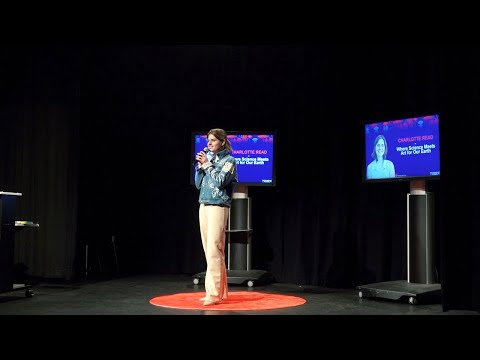
Where Science Meets Art For Our Earth | Charlotte Read | TEDxRMIT Melbourne City
TEDx Talks· 2026-02-09 17:24
We're going to start with something simple a crayon. Growing up, I used these all of the time, much to my parents dismay when I would draw on the walls. I would often draw things relating to the world around me.Furs or butterflies that I'd see in the garden. my favorite animals that I just read about, maybe even a kangaroo. I was lucky enough to live near wildlife in the Damino ranges.So, my question to you is, growing up, did you ever use a crayon. Or maybe pens, pencils, paint. I bet that at least once yo ...

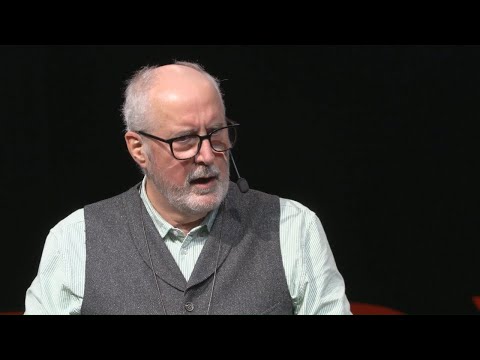
What a modern reformation would require | Kevin Noone | TEDxStockholm University
TEDx Talks· 2025-09-23 16:02
Core Argument - The current societal trajectory, driven by the separation of humans and nature, leads to an unsustainable and unjust world [3][5][20] - A "Reformation 2.0" is needed to reassess foundational assumptions and recognize the interconnectedness of humans and nature [24][35] - Shifting the mindset from viewing nature as a fungible resource to recognizing it as essential is crucial for a sustainable future [30][34] Driving Forces & Historical Context - Cartesian dualism, the idea that humans are separate and superior to nature, has deeply influenced Western thought and societal structures [6][9] - Adam Smith's "invisible hand" and Milton Friedman's emphasis on profit maximization have contributed to a focus on self-interest and shareholder value, potentially at the expense of the environment [11][13] - The concept of planned obsolescence and the drive to overuse resources, combined with the human-nature separation, exacerbate environmental problems [16][20] Proposed Solutions & Future Vision - Collaboration and cooperation, based on the understanding that humans and nature are intertwined, are essential for planning transitions [34] - Drawing inspiration from cultures that recognize the interconnectedness of humans and nature, such as Native American philosophies, can inform a new ethical framework [25][26][27] - Transformations in transportation, energy, and agriculture sectors demonstrate the feasibility of rapid and significant societal change [32][33]