CBDC(央行数字货币)

Search documents
稳定币:全球货币体系的“数字补丁”,还是中国突围的“新战场”?
Huan Qiu Wang· 2025-07-31 06:32
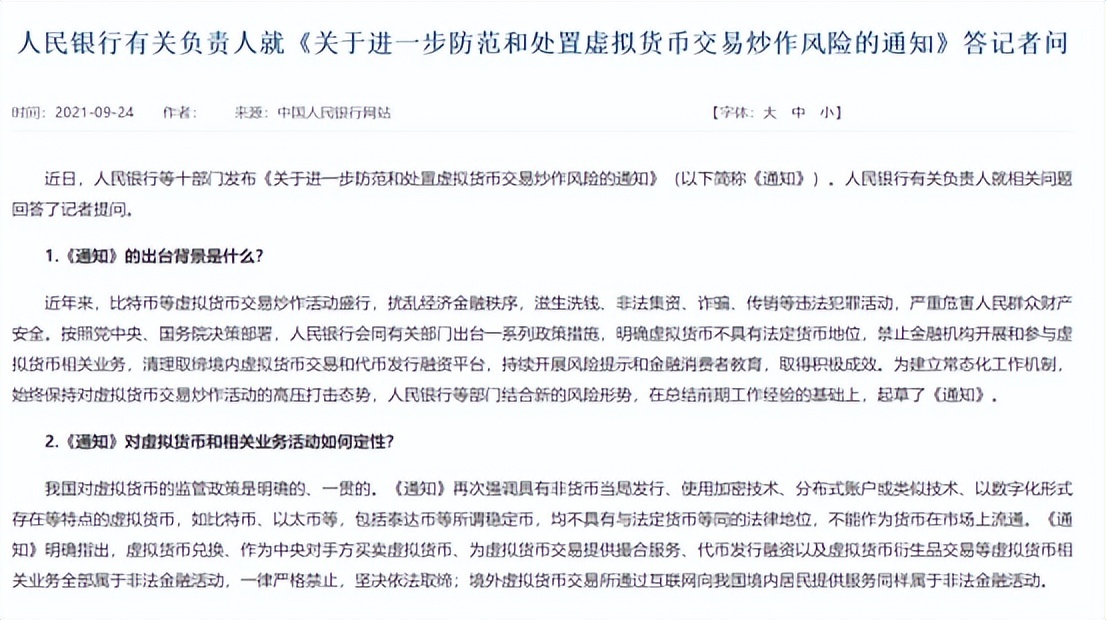
Core Viewpoint - The article discusses the ongoing competition in the digital currency space, particularly focusing on the implications of stablecoins and China's approach to Central Bank Digital Currency (CBDC) as a strategic response to the dominance of the US dollar and the risks associated with stablecoins [1][2]. Group 1: China's Position on Stablecoins - China has chosen to develop its own CBDC instead of adopting stablecoins, viewing the latter as a potential tool for "new colonialism" and a threat to financial stability [2][3]. - The Chinese government has classified stablecoins as "virtual currencies" and has taken measures to prevent their direct exchange with legal tender, aiming to block potential capital outflows [3][7]. - The risks associated with stablecoins, such as the reliance on high-risk assets and the failure of algorithmic stablecoins, highlight the vulnerabilities in their structure [5][6]. Group 2: Regulatory Framework and Future Strategy - China's regulatory framework for stablecoins includes stringent requirements such as a minimum capital of 1 billion and 100% reserve backing, reflecting a commitment to financial safety [7][9]. - The article outlines a "three no" principle regarding stablecoins: not prohibiting technological innovation, not recognizing stablecoins as legal tender, and not allowing systemic risks [9]. - The future strategy for China's digital currency includes completing the "multi-CBDC bridge" project by 2025 and establishing a diversified global digital currency system by 2035 [10]. Group 3: Hong Kong's Role and Market Dynamics - Hong Kong is positioned as a testing ground for stablecoin issuance, with projections indicating its stablecoin market could reach $80 billion by 2025, accounting for 25% of the global market [8]. - The collaboration between Hong Kong's stablecoin initiatives and mainland China's digital yuan development reflects a strategic alignment in navigating innovation and risk management [8][9]. - The interplay between stablecoins and CBDCs may lead to a dual-track global currency system, influencing the future of monetary policy and financial stability [9][10].