Chronic illnesses

Search documents
The days you’re losing without knowing it | Dr. Ashwini Singh | TEDxGoldenBridgeStudio
TEDx Talks· 2025-12-02 15:54
Health & Wellness Industry Trends - Increase in lifestyle diseases and associated morbidity and mortality, especially among those in their late 20s, 30s, and 40s [3] - Global burden of disease study highlights a troubling increase in disability-adjusted life years (DALYs) lost among youth aged 15-39 due to preventable illnesses [6] - Stress-associated illnesses like diabetes and high blood pressure are major contributors to health issues among young people [6] Economic Impact - Non-communicable diseases could cost the global economy $47 trillion, exceeding the GDP of many countries [7] - Increased disease burden leads to high healthcare costs, out-of-pocket expenditure, and a less healthy workforce [7] Preventative Measures & Solutions - Atomic health habits, including mindful eating, drinking 2-3 liters of water daily, exercising for at least 45 minutes daily, sleeping for 7-8 hours, practicing mindfulness, and avoiding smoking/alcohol, can help reclaim lost years of life [8][9][10][11] - Simple solutions are available for free to prevent suffering and promote well-being [11][17] Lifestyle Observations - Tribal communities with healthy lifestyles, such as the Apatony tribe in Arunachal Pradesh, have zero lifestyle illnesses and high life expectancy [14][15] - These communities often grow their own vegetables, walk miles daily, and maintain healthy habits [15]


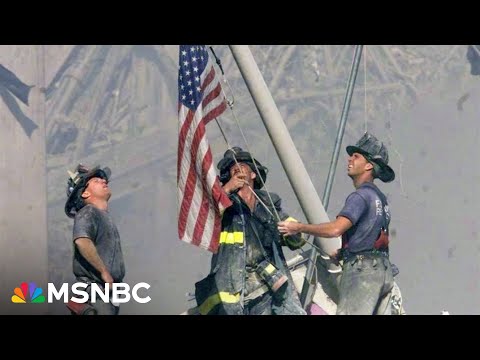
9/11 first responders face chronic illnesses caused by toxic debris
MSNBC· 2025-09-11 18:26
Health Impact of 9/11 Toxic Exposure - First responders are battling chronic illnesses due to toxic exposure at disaster sites [1] - Common initial health issues included coughing, asthma, sinus problems, and gastroesophageal reflux disease (GERD), alongside anxiety, PTSD, and depression [7][8] - Over time, chronic conditions like COPD and lung scarring (fibrosis) emerged [8] - Thousands of cancer cases are now being seen, including severe cancers, with early cancers predominantly being blood cancers [9] Program & Funding Needs - Northwell's program provides healthcare to nearly 5,000 first responders, offering annual exams, physicals, blood work, chest X-rays (every other year), breathing tests, and cancer screenings [4][5] - The World Trade Center Health Program monitors and treats individuals affected by 9/11 [12] - There is a need for continued funding to ensure timely and seamless care for affected individuals [11][13] - 9/11-linked cancers have increased by a shocking 143% in the last five years, highlighting the growing need for support [10] Ongoing Suffering - First responders are still getting sick and suffering 24 years later [16] - The 9/11 responder and survivor funding act is currently stalled in Congress [14]