Consumer Psychology

Search documents
The Psychology of Why You Buy Things You Don’t Need | PETE SENA | TEDxHartford
TEDx Talks· 2025-12-19 16:34
Core Argument - The marketing industry often sells identities rather than products, creating a desire for consumers to become someone they are not [4][5] - This manufactured desire is driven by exploiting aspiration gaps, tribal signaling, and identity anchoring [6][7][8][9] - The speaker acknowledges their role in creating this system and advocates for conscious consumption [13][14] Psychological Triggers in Marketing - Aspiration gaps are used to highlight the difference between who consumers are and who they want to be, driving them to purchase products that promise to close this gap [6][7] - Tribal signaling involves using products as a way to communicate belonging to a specific group or tribe [8][9] - Identity anchoring occurs when a product becomes deeply integrated into a consumer's self-perception, leading them to defend it as part of their identity [9][10] Ethical Considerations - The speaker recognizes the potential harm of manipulating consumers' desires and feelings of self-worth [11][12] - The speaker now works with companies that aim to create authentic desires aligned with consumers' aspirations, rather than simply tricking them [16][17] - The ultimate goal is to empower consumers to make conscious choices about their purchases and the identities they are buying into [18] Examples of Manufactured Desire - The speaker convinced 50,000 people to buy an $89 water bottle that performed the same function as a $10 one, highlighting the power of selling a story or identity [3] - The skincare industry often focuses on making women feel inadequate about their skin to sell them products that promise to fix perceived flaws [11] - Purchases are often driven by the desire to embody a certain identity, such as wearing $200 jeans to feel like someone who wears $200 jeans [5]


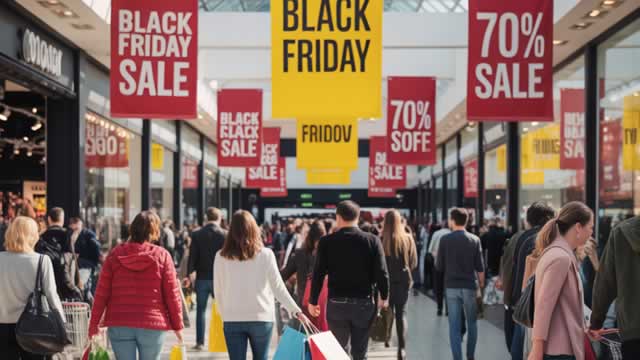
How Does the Consumer Feel ahead of Black Friday?
Youtube· 2025-11-21 17:23
Consumer Sentiment - There is a cautious optimism among consumers, but some believe they are financially strained with limited pricing power for retailers [1][2] - The retail landscape is described as very promotional, with significant discounts being offered, indicating a competitive market [2][6] Retail Strategies - Discount retailers like TJ Maxx do not participate in Black Friday events, maintaining their pricing strategy without succumbing to widespread price cuts [3][4] - Retailers need a clear vision of their business model to succeed, as seen with Costco and TJ Maxx, which are recognized for their strong retail strategies [4][5] Pricing Dynamics - High prices persist in the market, and while some retailers maintain their pricing, the expectation for promotions can lead to long-term challenges [7][8] - Consumers are becoming savvy, often comparing prices online and expecting discounts, which can pressure retailers to adjust their pricing strategies [9][12] Future of Retail - The traditional department store model is under scrutiny, with many struggling to adapt to changing consumer behaviors and preferences [10][11] - There is speculation that physical stores may evolve into showrooms where consumers try products before purchasing online for better prices [15][16] Product Integrity - Owning and controlling product quality is emphasized as crucial for retailers, with examples like Costco's private label brand demonstrating success in this area [13][18] - The emotional connection consumers have with products and brands is highlighted as a significant factor in retail success [16][19]