
Credit Card Interest Rates

Search documents
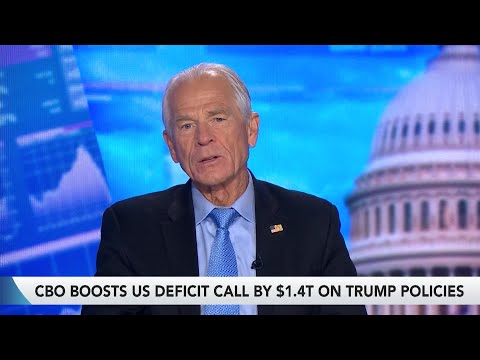
Navarro on USMCA, Tariffs and Credit Card Rates
Yahoo Finance· 2026-02-12 21:26
Core Viewpoint - The article discusses the implications of President Trump's tariff policy, particularly in relation to Canadian imports and the call for capping credit card interest rates by JPMorgan CEO Jamie Dimon [1] Group 1: Tariff Policy - The White House trade adviser Peter Navarro comments on the recent House vote to end tariffs on Canadian imports, indicating a shift in trade policy [1] - The discussion highlights the potential impact of these tariff changes on U.S.-Canada trade relations and the broader economic landscape [1] Group 2: Credit Card Interest Rates - JPMorgan CEO Jamie Dimon is advocating for the capping of credit card interest rates, suggesting concerns over consumer debt and financial stability [1] - This statement reflects ongoing discussions in the financial industry regarding the management of credit and consumer protection [1]

Navarro Demands Dimon to Lower Credit Card Interest Rates
Bloomberg Television· 2026-02-12 15:45
Peter Navarro, You didn't answer my question. We came up, we had Liberation Day. No, you did not.We said your question was what will satisfy Peter Navarro. And I said, when that, you know, what is the problem. What is the optimum blended tariff rate.James Dimon wants to know that. Brian Moynihan wants to know that. I'm Solomon over at Goldman Sachs wants to know that in the people in the first congressional District of Iowa.Where are we heading as these exemptions come in. Do you see a 7% optimal tariff rat ...

X @Bloomberg
Bloomberg· 2026-01-29 00:00
President Donald Trump called for a one-year cap on credit card interest rates at 10%. What does that actually look like in practice?@PNCBank CEO Bill Demchak tells @thestalwart and @tracyalloway how the interest rate cap might affect businesses and consumers https://t.co/qoGXjc1GMM ...
X @Bloomberg
Bloomberg· 2026-01-27 12:17
RT Bloomberg en Español (@BBGenEspanol)Trump impulsa un tope del 10% a las tasas de las tarjetas de crédito como medida popular antes de las elecciones de medio término. ¿Alivio real para los consumidores o riesgo para el acceso al crédito?@ethomson1 explica https://t.co/9aVUUKTrwJ https://t.co/52jhF3JNXz ...
X @Bloomberg
Bloomberg· 2026-01-26 12:00
President Donald Trump called for a one-year cap on credit card interest rates at 10%. What does that actually look like in practice?@PNCBank president and CEO Bill Demchak tells @thestalwart and @tracyalloway how the interest rate cap might affect businesses and consumers https://t.co/qoGXjc1GMM ...
Will Trump's Credit Card Rate Cap Work?
From The Desk Of Anthony Pompliano· 2026-01-18 02:31
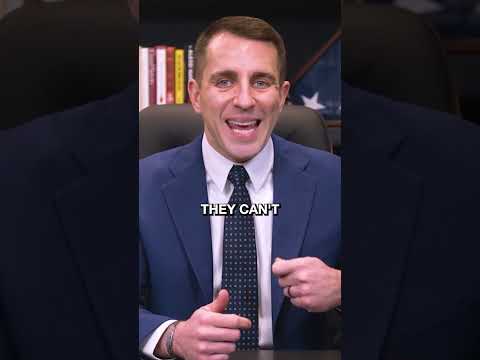
President Trump announced plans to cap credit card interest rates at 10%. Is this a good idea. Now, the first thing you got to go and you got to look at is are interest rates high on credit cards.Absolutely. It's somewhere between 20 to 24%. Now, the reason why it's 20 to 24% is that the credit card game is actually highly competitive.People are constantly trying to figure out how do I underwrite the risk by lending money to these people. If I can figure out a way to lend them money at a lower rate, that me ...
Trump And Powell Are Fighting Again And There's A CLEAR LOSER
From The Desk Of Anthony Pompliano· 2026-01-12 22:00
Hello everyone. The Fed chairman is under fire. Critics are screaming lawfare. Trump wants to cap credit card interest rates. And the political leaders, they're running the economy hot, hot, hot. [music] We are live today from the desk of Anthony Papliano. [music] Before we get into today's episode, I need your help. Go ahead and hit that subscribe button. Help us get to our goal of 1 million subscribers. People are saying we can't do it, but with your help, we're going to achieve our goal. Hit the subscrib ...

Credit card interest rate forecast for 2026: Rate cuts will bring little relief to cardholders
Yahoo Finance· 2026-01-06 00:01
Core Insights - The average credit card interest rate is expected to remain high, with only a slight decrease projected for 2026, indicating ongoing financial pressure for consumers with credit card debt [4][5][9] Interest Rate Trends - The Federal Reserve is anticipated to implement three quarter-point rate cuts in 2026, influenced by declining inflation and a weakening job market [2] - The average credit card interest rate is projected to decrease to 19.1% by the end of 2026, which is only 0.6% lower than the end of 2025 [4][7] - Credit card interest rates dropped to 19.7% at the end of 2025, reflecting a minor decrease from 20.15% at the beginning of the year [5][7] Consumer Behavior and Debt Management - Approximately 23% of Americans with credit card debt believe they will never escape it, highlighting the severity of the issue [4] - The average credit card balance is reported to be $6,523, with significant interest costs associated with minimum payments [10] - Consumers are advised to seek 0% APR balance transfer cards as a more effective strategy for managing credit card debt [11] Credit Issuer Practices - Credit card issuers may adjust rates for new customers independently of the federal funds rate, often leading to higher rates for new cardholders [1][6] - Some issuers are lowering rates for borrowers with higher credit scores while maintaining or increasing rates for those with lower scores [8] Financial Advice - It is recommended that consumers do not rely solely on Federal Reserve actions to guide their credit card decisions, as rates are expected to remain high [9][15] - Strategies such as cutting expenses, taking on side jobs, and working with credit counseling agencies are suggested for effective debt management [12][13]
This Is Why Credit Card Interest Rates Are So High
Bloomberg Television· 2025-11-28 14:00
Credit Card Usage & Interest - Approximately 60% of credit card users revolve, incurring high interest charges [1] - Revolvers pay interest on their outstanding balance [2] - The average interest rate for revolvers is 23% [6] Swipe Fees & Interchange Fees - A percentage, known as the swipe fee (approximately 15-20 basis points), is applied when a credit card is used [2] - Swipe fees on approximately $10 trillion in debit and credit card purchases accumulate significantly [3] - The majority of the swipe fee goes to the bank that issued the card, known as the interchange fee [4] - Interchange fees average a little over 18%, and have been trending upwards [5] Financial Services Industry - Visa and JP Morgan are often the most valuable financial services firms [4]

What credit cardholders should know for 2025: Predictions, interest rates, changing benefits, and more
Yahoo Finance· 2024-12-19 21:54
Core Insights - The credit card industry is facing challenges with rising debt balances and fluctuating interest rates as it approaches 2025, with potential changes in policies affecting fees and rewards programs [1][3][4] Interest Rates - Interest rates on credit cards have begun to decrease as the Federal Reserve lowers its target federal funds rate, but the average credit card interest rate remains above 21% [3][5] - Experts predict further rate cuts in 2025, but the extent and speed of these cuts remain uncertain [4][5] Credit Card Balances and Delinquencies - Outstanding credit card balances in the U.S. have reached $1.17 trillion, an increase of 8.1% year-over-year, while delinquencies remain a concern with 8.8% of balances being delinquent in Q3 2024 [6][7] - Projections indicate that credit card balances will grow by 4.4% year-over-year by the end of 2025, a significant decrease from previous years [8] Economic Conditions - The trajectory of credit card debt levels will be influenced by economic factors such as interest rate changes and consumer spending habits, with moderating inflation potentially reducing reliance on credit cards [9] Changes in Rewards Programs - Significant changes to travel rewards programs are anticipated in 2025, including access limitations to Delta SkyClubs for certain American Express cardholders and updates to Alaska Airlines' loyalty program [10][11][12][13] Fraud Risks - Cardholders continue to face risks of identity theft and account fraud, which are expected to persist into 2025 [14][15][16] Fees and Charges - Interchange fees, which are paid by merchants to credit card networks, are a topic of discussion, with potential impacts from the Credit Card Competition Act [17][19] - Annual fees for credit cards may increase as issuers face rising costs associated with providing rewards and benefits [21][22] Corporate Movements - Major acquisitions and mergers in the banking and travel sectors, such as Capital One's proposed acquisition of Discover and the merger between Alaska Airlines and Hawaiian Airlines, could impact cardholders in 2025 [23][24][26]