Deceptive Advertising

Search documents
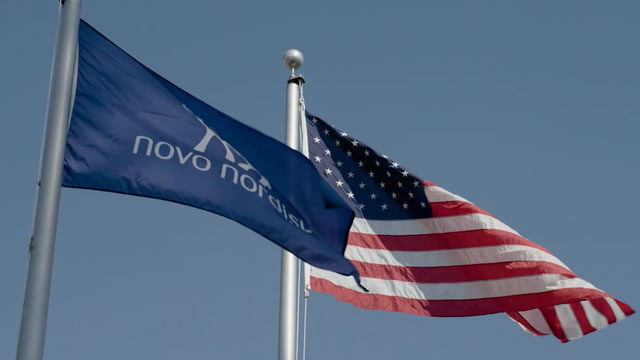
US FDA warns Novo for second time about misleading Ozempic advertising
Reuters· 2026-03-03 22:12
Core Viewpoint - The U.S. Food and Drug Administration (FDA) has issued a second warning to Novo Nordisk regarding misleading advertising for its diabetes drug Ozempic, indicating ongoing concerns about the company's promotional practices [1] Company Summary - The FDA's latest warning, dated February 26, targets a consumer advertisement for Ozempic, which is Novo Nordisk's flagship diabetes injection [1] - This warning follows an earlier letter from February 5, which addressed a television advertisement for Wegovy, Novo's weight-loss medication [1] - Novo Nordisk has not yet responded to requests for comment regarding the FDA's warnings [1]


Instacart Settles FTC Lawsuit Alleging Deceptive Advertising and Subscription Enrollments
PYMNTS.com· 2025-12-18 21:27
Core Viewpoint - Instacart has agreed to pay $60 million to settle a Federal Trade Commission (FTC) lawsuit alleging deceptive advertising practices [1][5]. Summary by Sections Allegations - The FTC accused Instacart of falsely advertising "free delivery" while charging a "service fee" for delivery, misleading consumers about a "100% satisfaction guarantee" that typically did not offer full refunds, and failing to clearly disclose terms related to its Instacart+ membership program [2][3]. Company Response - Instacart denied the allegations, claiming the FTC's inquiry was "fundamentally flawed" and emphasized its commitment to integrity and transparency in its services. The company stated that it clearly displays all fees before checkout and makes it easy to cancel the Instacart+ membership [4]. Settlement Details - The settlement requires Instacart to pay $60 million in refunds, prohibits misrepresentations about costs and satisfaction guarantees, and mandates clear disclosure of terms and obtaining informed consent for subscription transactions. The order is subject to approval by a district court judge before it takes effect [5]. Related Investigations - The news follows reports of the FTC investigating Instacart's AI pricing tool, Eversight, due to findings that different shoppers received varying prices for the same products. This comes amid a broader context of regulatory scrutiny, including a lawsuit against Uber for deceptive billing practices [6].


Instacart to pay $60 million to settle FTC claims it deceived customers
CNBC· 2025-12-18 19:58
Core Viewpoint - Instacart will pay $60 million to settle allegations from the Federal Trade Commission regarding misleading advertising and unlawful subscription practices [1] Group 1: Allegations and Settlement - The Federal Trade Commission (FTC) accused Instacart of using deceptive tactics in subscription signups and advertising, leading consumers to incur higher fees and preventing refunds [1] - The settlement amount is $60 million, which addresses the FTC's claims of misleading consumers [1] Group 2: Specific Misleading Practices - The FTC highlighted that Instacart falsely advertised "free delivery" for first orders while still charging a mandatory service fee for grocery delivery [2] - Instacart was also accused of misleading consumers by advertising full refunds for issues with orders, which were not honored [2] Group 3: Company Response - Instacart acknowledged the FTC settlement but denied any wrongdoing, stating that the allegations do not reflect their practices [3] - Christopher Mufarrige from the FTC emphasized that consumers were misled about free delivery services and automatic enrollment in subscription programs during free trials [3]