
Digital - first banking

Search documents
FinTechs and Automakers Rush for Bank Charters
PYMNTS.com· 2026-01-26 23:01
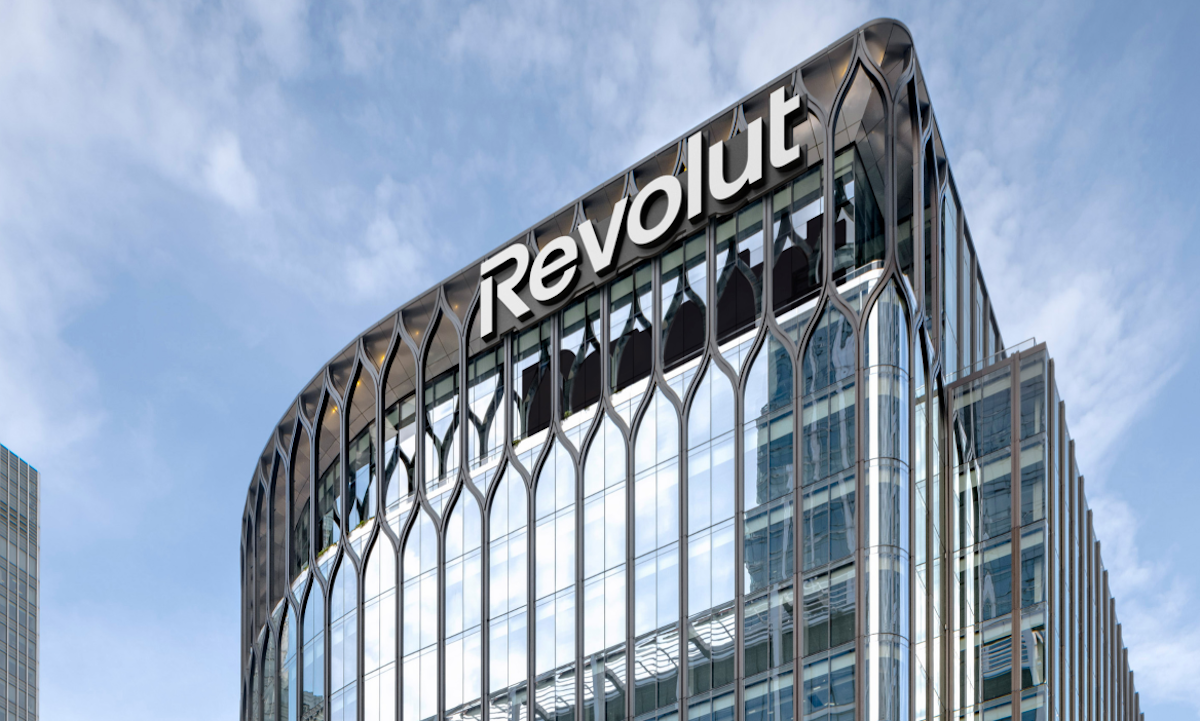
Core Insights - The emergence of de novo charters and industrial loan companies (ILCs) is transforming competition in the banking sector, enabling nonbanks to create digital-first banks with access to insured deposits and lending capabilities [1][14] - Regulatory changes and consumer acceptance of neobanks have facilitated direct entry into the regulated banking system, marking a significant shift in how nonbanks approach banking [2][6] Group 1: Regulatory Landscape - In 2025, the Office of the Comptroller of the Currency (OCC) received 14 de novo charter applications, nearly matching the total from the previous four years combined, indicating a surge in interest [4] - The FDIC has approved deposit insurance applications from Ford and General Motors for their respective Utah-chartered industrial banks, highlighting a trend of nonbanks seeking permanent status in the regulated financial system [6] Group 2: Nonbank Initiatives - Companies like Revolut and Affirm are pivoting from acquisition strategies to pursuing standalone banking licenses, with Affirm applying to establish a bank subsidiary called Affirm Bank [5][10] - PayPal has also applied for a Utah-chartered ILC, reflecting a broader trend of nonbanks entering the banking space to leverage regulatory approval as a competitive advantage [10] Group 3: Historical Context - The post-2008 financial crisis era saw limited new bank charters and a reliance on sponsor banks, but recent developments indicate a shift towards more nonbanks crossing into the banking sector [7][8] - The first consumer FinTech to receive a de novo national bank charter was Varo in 2020, marking a significant milestone in the evolution of nonbank financial services [8] Group 4: Competitive Dynamics - De novo charters allow companies to design banks that align with their digital-first and credit-centric business models, providing them with a competitive edge over traditional banks [14][15] - Nonbanks are not merely seeking to replicate traditional banking models; they aim to outperform incumbents, particularly in credit markets where balance sheets are crucial [15]

Why Nu Holdings Stock Jumped 61.6% In 2025
Yahoo Finance· 2026-01-13 19:36
Core Viewpoint - Nu Holdings has experienced significant growth, with shares increasing by 61.6% in 2025, driven by its expansion in Brazil, Mexico, and Colombia, and is now trading near an all-time high [1][2]. Group 1: Growth and Market Expansion - Nu Bank has achieved widespread adoption in Brazil, with over half of the adult population using its products, attributed to low fees and an easy-to-use mobile app [3]. - The company has expanded into Mexico, reaching 13 million customers, and is aggressively growing in Colombia, where it has captured 10% of the population [4]. Group 2: Financial Performance - Nu Holdings reported a net income of $2.5 billion over the last twelve months, a significant turnaround from previous losses, indicating strong profit potential as the business matures [5]. - The stock currently trades at a market cap of $80 billion, with a price-to-earnings ratio (P/E) of approximately 32, which is considered premium compared to other banking stocks [7][8]. Group 3: Future Outlook - The rapid addition of new customers and potential entry into more Latin American markets suggest that earnings will continue to grow, which may normalize the current high P/E ratio [8][9].

Banking predictions for 2026: 5 ways the industry will evolve next year
Yahoo Finance· 2025-12-22 14:00
Core Insights - The banking industry is undergoing a significant transition due to economic uncertainty, changing consumer behavior, and rapid technological advancements, with predictions for 2026 focusing on how these changes will affect customer interactions with banks [1] Group 1: AI and Digital Banking - The shift towards digital-first banking will accelerate, with AI and fintech reshaping customer service, impacting pricing, risk management, and lending decisions [2] - By 2026, banks are expected to operationalize AI, enabling predictive analytics for loan defaults and market risks, leading to personalized services, enhanced fraud protection, and faster loan approvals [3] Group 2: Payment Trends - Cash payments are becoming increasingly rare, with 48% of American adults making no cash purchases in a typical week and 87% of all transactions in the U.S. being cashless [4][5] - Younger Americans (aged 18 to 26) are leading the adoption of digital wallets, with 91% using them as their primary payment method, compared to lower usage rates among older generations [6] Group 3: Federal Reserve Actions - The Federal Reserve has recently cut the federal funds rate for the third time this year, with predictions of further rate cuts in 2026, potentially lowering the target range to 3%-3.25% [7][8] - Experts note that the Fed's approach will be gradual to allow the economy to adjust without causing shocks [9] Group 4: Physical Branches - The number of physical bank branches is expected to decline due to reduced visitor numbers and high operational costs, with major banks already announcing the closure of 311 branches since late August [10][11] - A significant majority of younger consumers prefer digital banking over visiting physical branches, indicating a shift in banking preferences [12] Group 5: Buy Now, Pay Later (BNPL) Risks - BNPL services are popular, with 52% of shoppers more likely to make purchases when this option is available, but reliance on BNPL can lead to debt cycles [13] - Consumers may accumulate significant BNPL obligations quickly, making it difficult to track payments and potentially harming credit scores if payments are missed [14][15]