
Driverless Vehicles

Search documents
Tesla's New Robotic Rival Has a Strangely Familiar Face
The Motley Fool· 2026-03-20 07:30
Core Insights - Tesla has successfully transitioned from its initial vision of electric vehicles to exploring robotics, AI, and driverless technology, indicating a significant evolution in its business strategy [2][12] - Hyundai Motor Group has announced a $6 billion investment in high-tech robotics, positioning itself as a competitor in the same technological space as Tesla [5][6] Group 1: Tesla's Evolution - Tesla's original vision of building a profitable electric vehicle brand has largely been realized, leading the company to pivot towards robotics and AI [1][2] - The company is in the final stages of developing its Optimus Gen 3 humanoid robot, with initial production expected by the end of 2026, aiming to be the "most advanced robot in the world" [9][11] Group 2: Hyundai's Competitive Move - Hyundai plans to produce 30,000 Atlas robots annually at its Metaplant in Georgia, USA, starting in 2028, with the goal of deploying these robots for assembly line tasks [10] - The acquisition of Boston Dynamics in 2021 has enabled Hyundai to enter the humanoid robotics market, which is projected to reach $5 trillion by 2050 according to Morgan Stanley [6][7] Group 3: Market Implications - The entry of Hyundai into the robotics space serves as a reminder that Tesla will face competition not only from new tech companies but also from established automotive rivals [12] - Investors are encouraged to reassess their investment strategies regarding Tesla as it ventures into new technological frontiers [11]


X @Bloomberg
Bloomberg· 2026-02-13 03:56
Waymo is enlisting DoorDash drivers in Atlanta to close robotaxi doors that have been left open, letting the driverless vehicles continue on their way https://t.co/00HChyHwqr ...
X @Bloomberg
Bloomberg· 2026-02-12 22:40
Alphabet’s Waymo is enlisting DoorDash drivers in Atlanta to close robotaxi doors that have been left open, letting the driverless vehicles continue on their way https://t.co/BCTYeEFzwv ...
3 Investor Takeaways From a Ranking of the Best New Vehicles of 2026
The Motley Fool· 2026-02-12 06:25
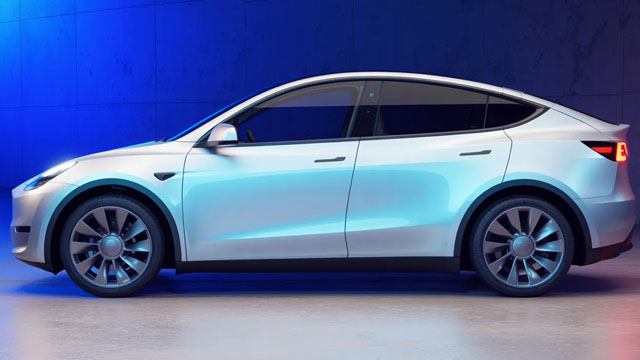
Core Insights - The automotive industry is witnessing a shift in consumer preferences, with a focus on vehicle quality and pricing being crucial for long-term sales predictions [1] Group 1: Ford Motor Company - Ford's F-150 has been ranked as the best full-size pickup for 2026 by Consumer Reports, highlighting its reliability and strong powertrains [3] - Full-size pickups are significant profit drivers for Detroit automakers, as they command higher price tags and margins compared to passenger cars [4] - Ford has taken a $19.5 billion charge to adjust its electric vehicle (EV) strategy, indicating a pivot towards hybrids and internal combustion engine (ICE) vehicles [5][7] - Ford's hybrid sales increased nearly 22% for the full year 2025, achieving a record in fourth-quarter sales, with one in every four F-150 trucks being a hybrid [8] Group 2: Tesla - Tesla's Model Y has been recognized as the best electric vehicle for 2026 by Consumer Reports, emphasizing its importance to Tesla's sales, as the Model S, Model X, and Cybertruck contribute only about 3% of global sales [11] - Tesla is transitioning its production focus, ending the Model S and Model X to make space for its Optimus robot assembly line, which introduces uncertainty but also potential upside in AI and robotics [9][11] Group 3: Industry Trends - The current market trend shows that automakers focusing on hybrids are in a favorable position, as evidenced by Consumer Reports' rankings where nine of the top ten vehicles have hybrid options [7][12] - Investors need to monitor which automakers are effectively responding to consumer demand rather than their own projections, as this will influence future vehicle success [12]

Lucid Dips Its Toes in Driverless Vehicles, But Is the Stock a Buy Now?
The Motley Fool· 2025-11-15 08:14
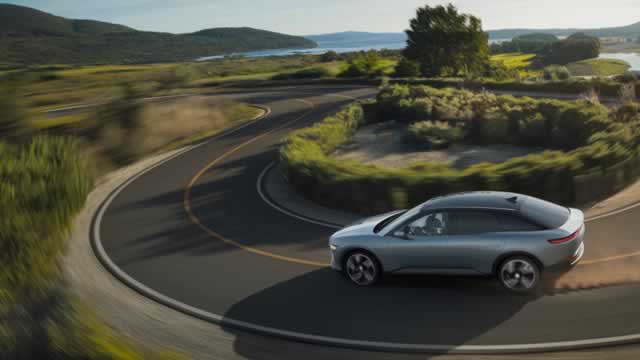
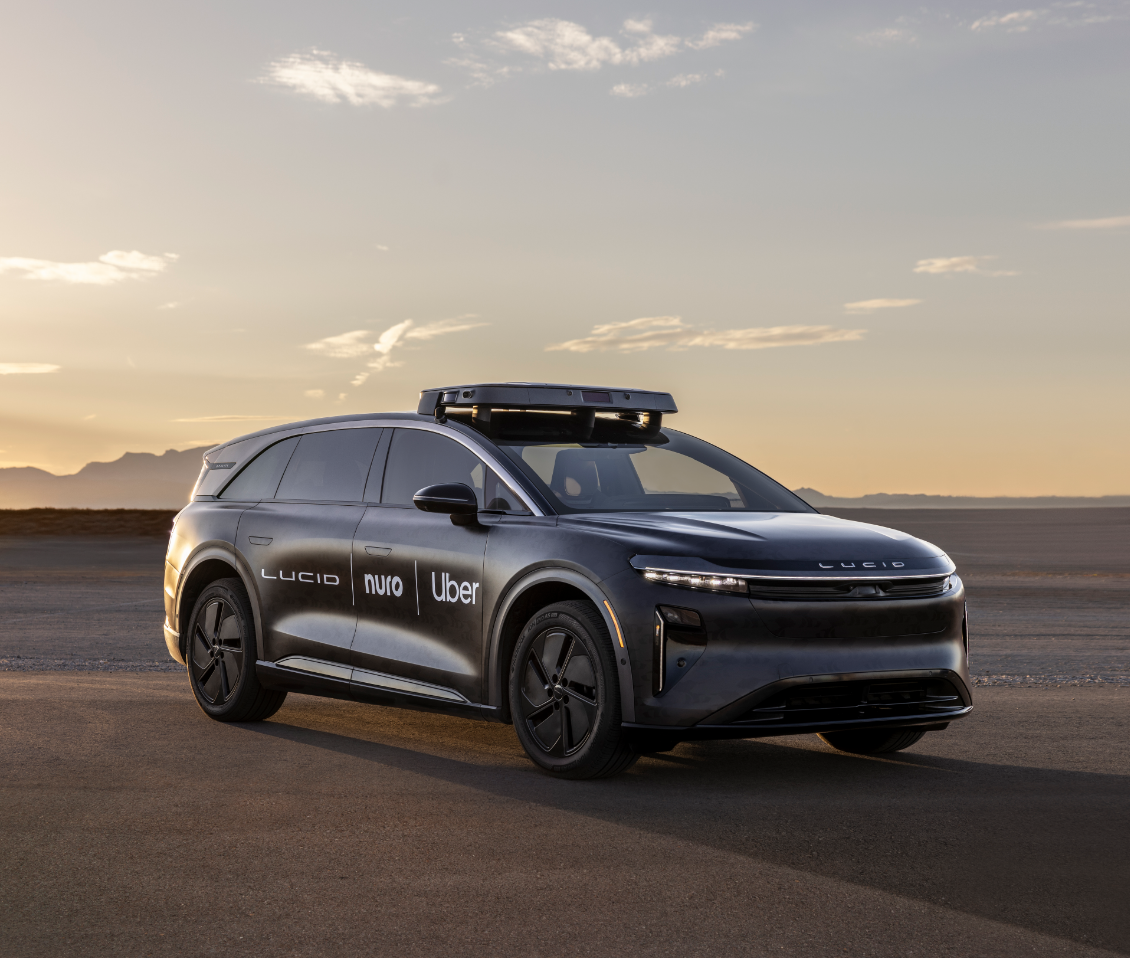
Core Insights - Lucid has achieved seven consecutive quarters of record deliveries but has missed Wall Street earnings estimates for two consecutive quarters [2][3] - The company reported a 68% increase in revenue for Q3, totaling $336.6 million, but fell short of the expected $379.1 million [3] - Lucid's adjusted loss per share was $2.65, worse than the anticipated loss of $2.27 per share [3] Financial Performance - The removal of the $7,500 U.S. federal EV tax credit has impacted demand for EV makers, including Lucid [3] - Lucid's total liquidity at the end of Q3 was $5.5 billion, with approximately $1.6 billion in cash and cash equivalents [4] Capital and Funding - Lucid has agreed to increase a delayed draw term loan credit facility from $750 million to roughly $2 billion from Saudi Arabia's Public Investment Fund [4] - This funding extension is seen as a positive move but indicates the need for further capital raising, which could dilute existing shareholders [4] Production and Supply Chain - Lucid plans to significantly increase production of its Gravity SUV in Q4, although production increases have been minimal quarter to quarter [5] - The company has lowered its 2025 production forecast to 18,000 units from a previous range of 18,000 to 20,000 due to supply chain issues [5] Future Prospects - Lucid's product pipeline includes a midsize crossover scheduled for late 2026 and two smaller crossovers launching in mid-2028 and mid-2029 [7] - A partnership with Uber Technologies involves a $300 million investment to develop driverless vehicles, integrating Nuro's autonomous driving system [7] Market Position - Despite having a strong partnership and a significant backer in Saudi Arabia's PIF, Lucid faces challenges such as production inefficiencies, executive turnover, and cash burn [8] - The company remains a high-risk investment with potential upside, but caution is advised for investors [9]

X @Bloomberg
Bloomberg· 2025-11-10 11:52
Investment & Technology - Grab, Southeast Asia's largest ride-hailing provider, is investing $60 million in remote-driving service Vay [1] - The investment aims to enhance Grab's capabilities in technologies for driverless vehicles [1]
Driverless Tech Firm Pony AI Raises $863 Million in HK Listing
Yahoo Finance· 2025-11-03 15:23
Core Viewpoint - Pony AI Inc. successfully raised HK$6.71 billion ($863 million) in its Hong Kong listing, pricing shares at HK$139 each, which reflects a strategic move to enhance its market position in the autonomous vehicle sector [1][2]. Group 1: Financial Details - The company sold 42 million shares in the base offering and exercised an option to sell an additional 6.3 million shares [2]. - The share price represents a discount of slightly over 4% compared to its Friday close of $18.68 per American depositary receipt on the Nasdaq [2]. - Pony AI's American depositary receipts have increased by 44% since their debut in November 2024, resulting in a market capitalization of $7.2 billion [6]. Group 2: Strategic Partnerships and Future Plans - Uber Technologies Inc. is reportedly in talks to invest approximately $100 million in Pony AI's share sale, indicating strong interest from major players in the ride-hailing industry [4]. - The proceeds from the Hong Kong listing will be utilized for the large-scale commercialization of Level 4 autonomous driving technology in both robotaxi and robotruck services, as well as for research and development [6]. - Pony AI aims to achieve profitability by 2028 or 2029, showcasing its long-term growth strategy [6]. Group 3: Industry Context - Pony AI's listing coincides with WeRide Inc.'s planned listing in Hong Kong, both companies targeting November 6 for their offerings, highlighting the competitive landscape in the autonomous vehicle sector [5]. - The parallel offerings of these robotaxi firms underscore the ambitions of Chinese companies, especially in light of Beijing's policy goal for the country to become the world's leader in driverless vehicles by 2035 [5].
Will This Go Down as Tesla's Biggest Mistake?
The Motley Fool· 2025-10-19 14:30
Core Viewpoint - The Cybertruck has been poorly received, leading to concerns about its commercial viability and Tesla's future direction in the automotive industry [2][9][12] Group 1: Sales Performance - Tesla reported record deliveries in Q3 2025, driven by consumer demand ahead of the expiration of the $7,500 federal EV tax credit, resulting in a nearly 30% increase in overall EV sales [3] - However, the Cybertruck sold only 5,385 units in Q3 2025, marking a significant 62.6% decline from the previous year, far below the initial projections of 250,000 units annually [4][5] Group 2: Market Challenges - The initial hype surrounding over 1 million reservations has diminished due to production delays, quality issues, and a higher-than-expected price, with the entry-level model priced at $69,990 [5][6] - Competition has intensified, with alternatives like the Chevrolet Silverado EV and Ford F-150 Lightning available at more attractive prices of approximately $53,000 and $55,000, respectively [7] Group 3: Economic Considerations - The economics of electric trucks differ from traditional gasoline-powered trucks, which typically yield higher margins; electric trucks require larger, more expensive batteries, complicating cost-effectiveness [8] - The Cybertruck's overall failure encompasses various aspects, including sales, performance, design, and pricing, leading to disappointment among investors [9][10] Group 4: Future Outlook - Tesla appears to be shifting focus from traditional vehicle platforms to emerging technologies such as robotaxis and artificial intelligence, indicating a potential transformation into a tech-oriented company rather than a conventional automaker [11][12] - Investors may need to reassess their investment thesis regarding Tesla, considering the company's evolving business model and uncertain future [12]
7 Driverless Vehicle Stocks That Could Set You Up for Life
Yahoo Finance· 2025-10-16 17:08
Core Insights - Nvidia has established itself as a dominant player in the GPU market, with significant growth expected in its automotive business, projected to reach nearly $11 billion by 2035 at a 20% CAGR [1] - Amazon's acquisition of Zoox aims to develop fully autonomous electric vehicles, leveraging its logistics network for urban ride-hailing services [2] - Alphabet's Waymo is recognized as a leader in the driverless vehicle sector, offering Level 4 robotaxi services and benefiting from substantial financial backing and technological expertise [3] Industry Overview - The driverless vehicle market is anticipated to experience explosive growth over the next two decades, potentially reaching trillions of dollars by 2030, driven by technological advancements and safety improvements [6] - Major traditional automakers and technology companies are heavily investing in driverless vehicle technology, indicating a robust competitive landscape [5] Key Companies - Mobileye Global is positioned as a critical partner in the development of robotaxis, providing Advanced Driver Assistance Systems (ADAS) and various driverless vehicle technologies [8] - Uber Technologies is launching a global robotaxi program in 2026, utilizing Lucid's vehicle architecture and Nuro's Level 4 autonomy system [9] - Hesai Group is a leader in lidar technology, essential for various applications in autonomous vehicles, and has secured design wins with multiple automakers [11] Emerging Technologies - QuantumScape focuses on developing solid-state lithium-metal batteries for electric vehicles, which are expected to play a crucial role in the future of driverless vehicles [12] Investment Considerations - The driverless vehicle industry is set for significant transformation, with multiple companies positioned to benefit as the market evolves [13]





3 Brilliant but Overlooked Driverless Vehicle Stocks to Buy and Hold for 10 Years
Yahoo Finance· 2025-10-11 17:54
Core Insights - Mobileye is currently unprofitable, with an expected operating loss between $436 million to $512 million for the full year, but it has approximately $1.7 billion in cash and cash equivalents, rising free cash flow, and minimal debt, positioning it to navigate industry challenges [1] - The company is enhancing its growth through strategic partnerships with automakers like ZEEKR, Porsche, Mahindra, and Volkswagen, focusing on Advanced Driver Assistance Systems (ADAS) [2][3] - Mobileye's technology is aimed at improving automotive safety and productivity, with a growing adoption of multicamera setups to support hands-free driving [3][4] Company Overview - Mobileye Global (NASDAQ: MBLY) specializes in developing and deploying ADAS and autonomous driving technologies, offering comprehensive software and hardware solutions for automakers [4] - The company is viewed as a solid investment opportunity in the robotaxi sector, particularly for investors looking to avoid the volatility associated with Tesla [4][6] Market Potential - The robotaxi ride-share market is projected to grow at a 90% compound annual growth rate from 2025 to 2030, indicating significant investment opportunities in this sector [5] - The driverless vehicle market is expected to be worth trillions of dollars within a decade, highlighting the immense growth potential for companies like Mobileye [6][16] Competitive Landscape - The number of robotaxis and driverless vehicles is anticipated to increase significantly, from approximately 1,500 currently to about 35,000 by 2030, suggesting a robust market for ADAS technologies [16][17] - Mobileye, along with Aptiv and Hesai, is positioned as a key player in advancing driverless vehicles and ADAS, making them attractive options for investors [17]
