Electric Vehicle Development

Search documents
Lamborghini scraps first EV launch, calls development 'expensive hobby'
Fox Business· 2026-02-24 19:49
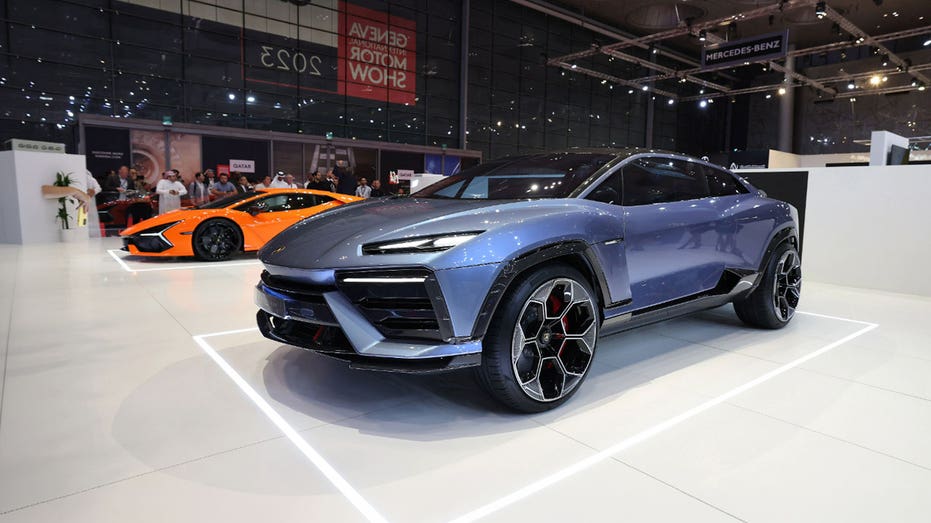
Core Viewpoint - Lamborghini has decided to cancel its plans to release an electric vehicle (EV) by 2028 due to a lack of consumer demand in its target market [1][2]. Group 1: Consumer Demand and Market Analysis - Lamborghini's CEO, Stephan Winkelmann, indicated that the "acceptance curve" for EVs in the luxury market is "close to zero" and is flattening, reflecting minimal interest from its clientele [2]. - The company conducted an analysis that revealed little demand for the previously announced EV, named the Lanzador [1]. Group 2: Future Vehicle Plans - Instead of pursuing the EV, Lamborghini plans to introduce a plug-in hybrid electric vehicle (PHEV) to its lineup [4]. - Winkelmann stated that while the company will continue to develop electrification, it will focus on PHEVs for the foreseeable future, emphasizing the need to be prepared for future market conditions [5]. Group 3: Emotional Connection and Brand Identity - Winkelmann noted that Lamborghini customers value an "emotional experience" with their cars, which current EVs struggle to provide [4]. - The company intends to continue producing traditional internal combustion engine vehicles for as long as possible, indicating a commitment to its brand identity [2]. Group 4: Industry Context - Lamborghini's decision aligns with broader trends in the automotive industry, where other major automakers, such as Stellantis and General Motors, have also taken significant financial hits due to weaker-than-expected consumer demand for EVs [5][6]. - Stellantis reported a $26.5 billion charge for reducing its EV production, while General Motors took a $7 billion hit after adjusting its EV strategy [6][8].

Automaker Stellantis books 22.2 bln euro writedowns in H2 2025 in EV pullback
Reuters· 2026-02-06 07:18
Core Viewpoint - Stellantis is booking charges of approximately 22.2 billion euros ($26.5 billion) in the second half of last year as it reduces its electric vehicle development plans [1] Financial Impact - The charges reflect a significant financial adjustment for Stellantis as it navigates the evolving automotive market [1] - The amount of 22.2 billion euros indicates a substantial impact on the company's financial statements for the period [1] Strategic Shift - The decision to scale down electric vehicle development suggests a strategic pivot in response to market conditions and company performance [1] - This move may indicate a reassessment of the company's long-term investment in electric vehicles [1]

Why Toyota Stock Bumped Higher on Monday
The Motley Fool· 2025-04-07 22:19
Core Viewpoint - Investors are optimistic about Toyota's expansion in the electric vehicle (EV) sector, leading to a rise in its stock price despite broader market concerns [1]. Group 1: Expansion Plans - Toyota plans to develop approximately 15 EV models by 2027, significantly increasing its current lineup of five models [2]. - The company aims to produce around 1 million EVs by 2027, which represents a sevenfold increase compared to its production levels in 2024 [2]. Group 2: Production Locations - Toyota intends to manufacture EVs not only in Japan but also in China, other parts of Asia, and the Americas, expanding its production footprint beyond its current locations in China and Japan [3]. Group 3: Market Sentiment - Despite some disappointing sales growth in the EV market, there remains a positive consumer sentiment towards EVs, indicating a willingness to adopt greener technologies [4]. - The company's commitment to expanding its EV offerings aligns with global consumer trends towards sustainability, although further details are needed to assess the impact on its financial fundamentals [4].