Fair trade

Search documents
Trump Adviser Navarro on the Attack Against Dimon and Fees
Bloomberg Television· 2026-02-12 17:03
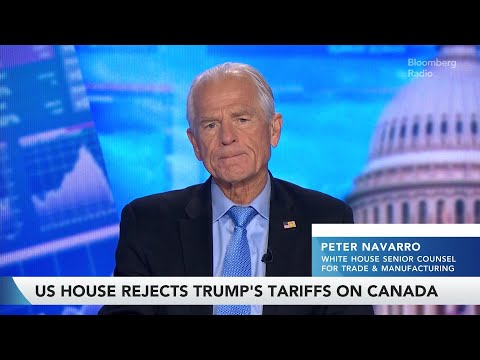
McKinley. Henry Clay. Abraham Lincoln.Alexander Hamilton. These are like the four people on the Mount Rushmore of American Terrors. And we are not in any pivot away from that.We are fully embracing a structural shift engineered by Donald Trump in the entire international global trading system in a way which will make that system better and more prosperous. The problem we've had, Tom, is under the rules, the very rules of the World Trade Organization, specifically the most favored nation rule. Every other na ...

Why European Wine Could Get Pricier Under New US Tariffs
Youtube· 2026-01-24 15:01
Core Viewpoint - President Trump's potential imposition of tariffs on European wines could significantly impact the U.S. wine industry, affecting both importers and domestic producers, while also raising concerns about the overall economic implications of such tariffs [1][2][3]. Industry Impact - The U.S. wine market consumed nearly 900 million gallons in 2023, valued at over $107 billion, with more than a third of that volume imported from abroad, making tariffs a critical issue for importers [1][2]. - Domestic wine distributors and importers derive approximately 75% of their revenue from imported wines, indicating that tariffs could severely disrupt their business models [1][2]. - California wineries, which produce nearly 90% of U.S. wine, are currently facing significant challenges, including over 500,000 excess tons of grapes and 77 million gallons of wine in storage, leading to potential closures of small farms and family businesses [1][2]. Economic Considerations - The U.S. imports about $5.3 billion worth of wine from the European Union, while American businesses generate nearly $23 billion from the sale of these products, highlighting a significant economic surplus despite the trade deficit concerns [2][3]. - The imposition of tariffs could lead to business contractions, resulting in closures and layoffs within the American wine industry, particularly affecting small businesses that rely heavily on imported wines [2][3]. Market Dynamics - The wine ecosystem is interconnected, with domestic vineyards relying on distributors who also sell imported wines, making tariffs detrimental not only to importers but also to domestic producers [1][2]. - There is a distinction between the fine wine market and the value wine segment, with the latter facing pressure from cheap, subsidized imports that threaten American growers [1][2]. Legal and Regulatory Context - A lawsuit challenging the tariffs is underway, with the U.S. Court of International Trade ruling in favor of the lead plaintiff, indicating ongoing legal battles regarding the administration's tariff policies [3][4].

Statement on new EU choline chloride anti-dumping measures
Globenewswire· 2025-12-22 13:00
Group 1 - The European Union has adopted anti-dumping duties ranging from 90.0% to 115.9% on choline chloride imports from China, effective for five years, to protect the EU food and feed supply chain [1][2] - EU producers express gratitude to the European Commission for its commitment to fair trade, which is essential for preserving jobs and encouraging industrial innovation [2][3] - The EU industry has sufficient production capacity to meet market demand and growth, viewing these measures as crucial for continued investment in production, employment, and innovation [3] Group 2 - The anti-dumping measures will help maintain a stable domestic choline chloride industry in the EU, ensuring compliance with health and safety standards and reducing dependency on Chinese suppliers [4] - EU producers will collaborate with the European Commission to implement these measures effectively and prevent circumvention, with new customs origin rules clarifying that choline chloride retains its Chinese origin even if processed in a third country [5]


Elon Musk's SpaceX, Tesla lobby Trump trade rep on tariffs
CNBC· 2025-03-14 20:27
Core Points - Tesla and SpaceX, led by Elon Musk, have submitted letters to the U.S. trade representative regarding tariff policies under the Trump administration [1][2] - The letters express concerns over retaliatory tariffs imposed by China and Canada, which Tesla views as a threat to its profitability [2] - SpaceX highlights regulatory complexities and trade barriers it faces globally, urging the U.S. government to address these issues to maintain U.S. leadership in the space sector [3] Tesla - Tesla's letter emphasizes the need for the U.S. Trade Representative to consider the downstream impacts of proposed trade actions on U.S. exports [2] - The company acknowledges the importance of fair trade but stresses that assessments should also factor in the effects on U.S. exports [2] SpaceX - SpaceX's letter outlines the significant costs incurred due to import duties and fees in foreign markets, which increase operational costs for its Starlink satellite internet service [3] - The company argues that these import duties create a disadvantage for U.S. companies compared to foreign products imported into the U.S. [3][4]

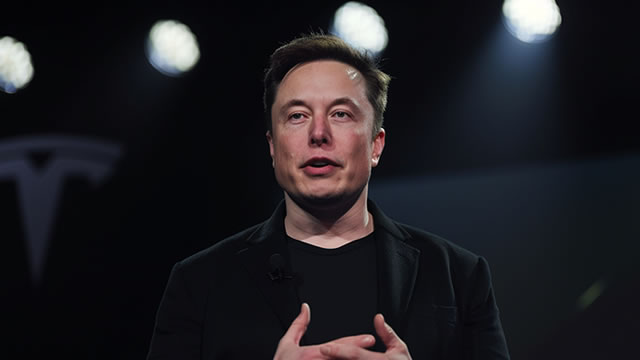
Tesla warns it's exposed to retaliatory tariffs amid trade war
Fox Business· 2025-03-14 17:46
Core Viewpoint - Tesla expresses concerns about potential retaliatory tariffs from U.S. trading partners due to President Trump's trade policies, emphasizing the need for careful consideration of the impacts on U.S. exporters [1][5][7]. Group 1: Trade Policy Concerns - Tesla supports a thorough process by the U.S. Trade Representative (USTR) to address unfair trade practices while ensuring that U.S. companies are not harmed [1][4]. - The company highlights that U.S. exporters face disproportionate impacts from retaliatory tariffs, which have historically led to increased costs and reduced competitiveness in international markets [5][7]. Group 2: Supply Chain Implications - Tesla notes that while it has a significant domestic supply chain, certain auto parts are not available in the U.S., which complicates manufacturing and threatens American jobs [9][10]. - The company advocates for USTR to evaluate domestic supply chain limitations to prevent undue burdens from trade actions that could impose high tariffs on essential components [11]. Group 3: Implementation Timeline - Tesla suggests that a phased approach to implementing trade actions would benefit U.S. companies by allowing them to prepare and adjust their supply chains accordingly [11].