Feed-Forward 3DGS

Search documents
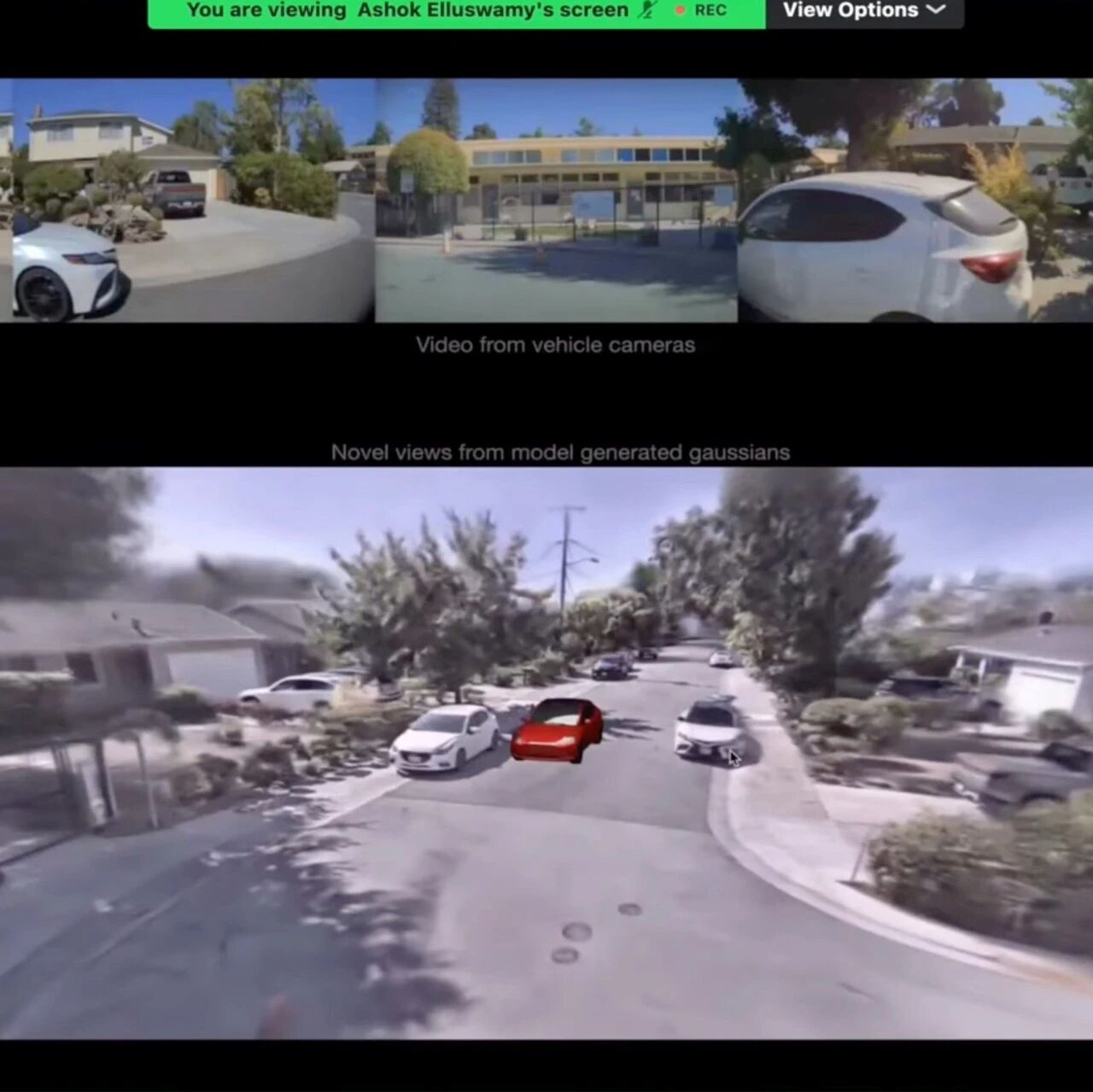
Feed-forward 3DGS,正在吸引业内更多的关注......
自动驾驶之心· 2025-12-02 00:03
Core Insights - The article discusses the rapid advancements in 3D Gaussian Splatting (3DGS) technology, highlighting its significance in the field of autonomous driving and the growing interest in this area among professionals [2][4]. Group 1: Course Overview - A new course titled "3DGS Theory and Algorithm Practical Tutorial" has been developed to provide a structured learning path for individuals interested in 3DGS technology, covering both theoretical and practical aspects [4]. - The course is designed to help participants understand point cloud processing, deep learning theories, real-time rendering, and coding practices [4]. Group 2: Course Structure - The course consists of six chapters, starting with foundational knowledge in computer graphics and progressing to advanced topics such as dynamic reconstruction and surface reconstruction [8][9]. - Each chapter includes practical assignments and discussions on relevant algorithms and frameworks, such as the use of NVIDIA's open-source 3DGRUT framework [9][10]. Group 3: Target Audience and Requirements - The course is aimed at individuals with a background in computer graphics, visual reconstruction, and programming, specifically those familiar with Python and PyTorch [17]. - Participants are expected to have a GPU with a computational power of at least 4090 and a basic understanding of probability and linear algebra [17]. Group 4: Learning Outcomes - By the end of the course, participants will have a comprehensive understanding of the 3DGS technology stack, including algorithm development frameworks and the ability to train open-source models [17]. - The course also facilitates networking opportunities with peers from academia and industry, enhancing career prospects in internships and job placements [17].

面向工业界的3DGS全栈学习路线图(前馈GS等)
自动驾驶之心· 2025-11-27 00:04
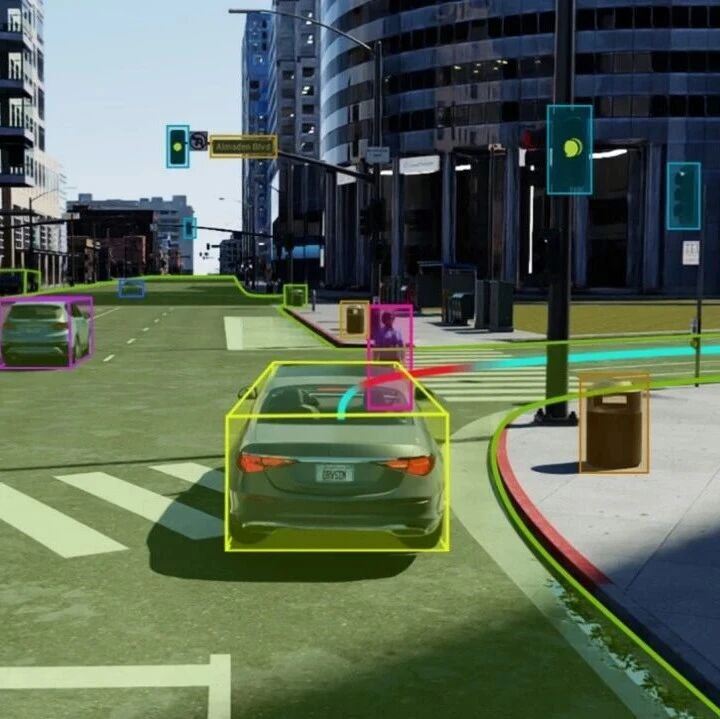
Core Insights - The rapid technological iteration in 3DGS (3D Graphics Systems) is highlighted, with advancements from static reconstruction to dynamic and surface reconstruction, culminating in feed-forward 3DGS [1] - A comprehensive learning roadmap for 3DGS has been developed to assist newcomers in mastering both theoretical and practical aspects of the technology [1] Course Overview - The course is structured into six chapters, starting with foundational knowledge in computer graphics and progressing through principles, algorithms, and applications in autonomous driving [5][6][7][8][9] - The course aims to provide a detailed understanding of 3DGS, including tools like SuperSplat and frameworks such as Gsplat and DriveStudio [5][6][7] Target Audience - The course is designed for individuals with a background in computer graphics, visual reconstruction, and programming, specifically those familiar with Python and PyTorch [14] Learning Outcomes - Participants will gain a solid grasp of 3DGS theory, algorithm development, and industry applications, enabling them to engage in discussions about job demands and industry challenges [10][12]