《3DGS理论与算法实战教程》

Search documents
当我们把3DGS在工业界的应用展开后......
自动驾驶之心· 2026-01-09 06:32
Core Viewpoint - The article discusses the advancements and applications of 3D Generative Systems (3DGS) in the context of autonomous driving, emphasizing the importance of scene reconstruction and generation technologies for creating realistic driving environments [1][3]. Group 1: Scene Reconstruction Work - The publication of StreetGaussian at ECCV2024 marks a significant step in the wave of autonomous driving scene reconstruction [2]. - A large-scale vehicle asset reconstruction dataset named 3DRealCar has been released [2]. - The Balanced3DGS algorithm accelerates 3DGS training by nearly eight times [2]. - The Hierarchy UGP paper is set to be presented at ICCV2025, focusing on autonomous driving scene reconstruction [2]. - StyledStreets introduces a multi-style scene generation algorithm with spatiotemporal consistency for autonomous driving [2]. Group 2: Importance of Scene Reconstruction - Traditional vehicle testing heavily relies on real-world tests, which often fail to replicate many corner cases, and there is a significant domain gap in conventional simulation environments [3]. - The high-fidelity scene reconstruction and editing capabilities of 3DGS make it possible to address these challenges [3]. - The development trajectory of 3DGS is clear: static reconstruction → dynamic reconstruction → hybrid reconstruction → feed-forward GS, with applications extending beyond autonomous driving to 3D fields, embodied intelligence, and the gaming industry [3]. Group 3: 3DGS Learning Path - A comprehensive learning roadmap for 3DGS has been developed, covering point cloud processing, deep learning theories, real-time rendering, and practical coding [5]. - The course titled "3DGS Theory and Algorithm Practical Tutorial" aims to provide a structured approach to mastering the 3DGS technology stack [5]. Group 4: Course Structure - The course consists of six chapters, starting with foundational knowledge in computer graphics and progressing through principles, algorithms, and specific applications in autonomous driving [10][11][12][13][14]. - Each chapter includes practical assignments and discussions on important research directions and industry applications [13][14][15]. Group 5: Target Audience and Outcomes - The course is designed for individuals with a background in computer graphics, visual reconstruction, and programming, aiming to equip them with comprehensive knowledge and skills in 3DGS [19]. - Participants will gain insights into industry demands, pain points, and opportunities for further engagement with academic and industrial peers [15][19].

前馈GS在自驾场景落地的难点是什么?
自动驾驶之心· 2025-12-26 03:32
Core Viewpoint - The article discusses the challenges and advancements in the field of 3D Generative Synthesis (3DGS) for autonomous driving, emphasizing the importance of a structured learning path for newcomers in the industry [2][6]. Group 1: Course Overview - The course titled "3DGS Theory and Algorithm Practical Tutorial" aims to provide a comprehensive learning roadmap for 3DGS, covering both theoretical foundations and practical applications [2][6]. - The course is designed in collaboration with industry algorithm experts and spans over two and a half months, starting from December 1 [13]. Group 2: Course Structure - Chapter 1 introduces the background knowledge of 3DGS, including basic concepts of computer graphics, implicit and explicit representations of 3D space, and common development tools like SuperSplat and COLMAP [6][7]. - Chapter 2 delves into the principles and algorithms of 3DGS, covering dynamic reconstruction, surface reconstruction, and ray tracing, with practical exercises using the NVIDIA open-source 3DGRUT framework [7][8]. - Chapter 3 focuses on the application of 3DGS in autonomous driving simulation, highlighting key works and practical tools like DriveStudio for further learning [8][9]. - Chapter 4 discusses important research directions in 3DGS, including extensions of COLMAP and depth estimation, and their relevance to both industry and academia [9]. - Chapter 5 covers Feed-Forward 3DGS, detailing its development history and algorithmic principles, along with discussions on recent algorithms like AnySplat and WorldSplat [10]. Group 3: Interaction and Support - Chapter 6 is dedicated to online discussions and Q&A sessions, allowing participants to engage with instructors on industry pain points and job market demands [11]. - The course encourages continuous interaction between students and professionals from both academia and industry, enhancing networking opportunities [15].
做了一份3DGS全栈学习路线图,包含前馈GS......
自动驾驶之心· 2025-12-16 03:16
Core Insights - The article highlights the introduction of 3D Gaussian (3DGS) technology by Tesla, indicating a significant advancement in autonomous driving through the use of feed-forward GS algorithms [1][3] - There is a consensus in the industry regarding the rapid iteration of 3DGS technology, with various companies actively hiring for related positions [1][3] Group 1: Course Overview - A new course titled "3DGS Theory and Algorithm Practical Tutorial" has been developed to provide a structured learning path for newcomers to the 3DGS field, covering both theoretical and practical aspects [3][7] - The course is designed to help participants understand point cloud processing, deep learning, real-time rendering, and coding practices [3][7] Group 2: Course Structure - The course consists of six chapters, starting with foundational knowledge in computer graphics and progressing to advanced topics such as dynamic reconstruction and surface reconstruction [7][8] - Each chapter includes practical assignments and discussions on relevant algorithms and frameworks, such as the use of NVIDIA's open-source 3DGRUT framework [8][9] Group 3: Target Audience and Requirements - The course is aimed at individuals with a background in computer graphics, visual reconstruction, and programming, specifically those familiar with Python and PyTorch [16] - Participants are expected to have a GPU with a recommended capability of 4090 or higher to effectively engage with the course content [16] Group 4: Learning Outcomes - By the end of the course, participants will have a comprehensive understanding of the 3DGS technology stack, including algorithm development and the ability to train open-source models [16] - The course also facilitates networking opportunities with peers from academia and industry, enhancing career prospects in the field [16]
工业界大佬带队!三个月搞定3DGS理论与实战
自动驾驶之心· 2025-12-09 19:00
Core Insights - The article discusses the rapid advancements in 3D Generative Synthesis (3DGS) technology, highlighting its applications in various fields such as 3D modeling, virtual reality, and autonomous driving simulation [2][4] - A comprehensive learning roadmap for 3DGS has been developed to assist newcomers in mastering both theoretical and practical aspects of the technology [4][6] Group 1: 3DGS Technology Overview - The core goal of new perspective synthesis in machine vision is to create 3D models from images or videos that can be processed by computers, leading to numerous applications [2] - The evolution of 3DGS technology has seen significant improvements, including static reconstruction (3DGS), dynamic reconstruction (4DGS), and surface reconstruction (2DGS) [4] - The introduction of feed-forward 3DGS has addressed the inefficiencies of per-scene optimization methods, making the technology more accessible [4][14] Group 2: Course Structure and Content - The course titled "3DGS Theory and Algorithm Practical Tutorial" covers detailed explanations of 2DGS, 3DGS, and 4DGS, along with important research topics in the field [6] - The course is structured into six chapters, starting from foundational knowledge in computer graphics to advanced topics like feed-forward 3DGS [10][11][14] - Each chapter includes practical assignments and discussions to enhance understanding and application of the concepts learned [10][15] Group 3: Target Audience and Prerequisites - The course is designed for individuals with a background in computer graphics, visual reconstruction, and programming, particularly in Python and PyTorch [19] - Participants are expected to have a GPU with a recommended computing power of 4090 or higher to effectively engage with the course material [19] - The course aims to benefit those seeking internships, campus recruitment, or job opportunities in the field of 3DGS [19]
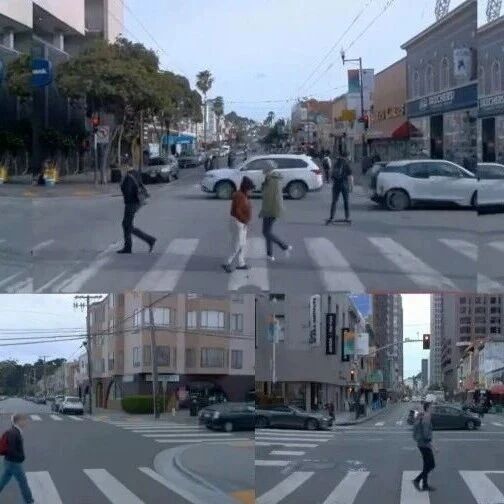
3DGS论文原理与论文源码学习,尽量无痛版
自动驾驶之心· 2025-12-06 03:04
Core Insights - The article discusses the development and application of 3D Gaussian Splatting (3DGS) technology, emphasizing its significance in the field of autonomous driving and 3D reconstruction [3][9]. Group 1: Course Overview - The course titled "3DGS Theory and Algorithm Practical Tutorial" aims to provide a comprehensive learning roadmap for 3DGS, covering both theoretical and practical aspects [3][6]. - The course is designed for individuals interested in entering the 3DGS field, focusing on essential concepts such as point cloud processing and deep learning [3][6]. Group 2: Course Structure - Chapter 1 introduces foundational knowledge in computer graphics, including implicit and explicit representations of 3D space, rendering pipelines, and tools like SuperSplat and COLMAP [6][7]. - Chapter 2 delves into the principles and algorithms of 3DGS, covering dynamic reconstruction and surface reconstruction, with practical applications using the NVIDIA open-source 3DGRUT framework [7][8]. - Chapter 3 focuses on the application of 3DGS in autonomous driving simulations, highlighting key works and tools like DriveStudio for practical learning [8][9]. - Chapter 4 discusses important research directions in 3DGS, including COLMAP extensions and depth estimation, along with insights on their industrial and academic relevance [9][10]. - Chapter 5 covers Feed-Forward 3DGS, detailing its development and algorithmic principles, including recent works like AnySplat and WorldSplat [10]. - Chapter 6 provides a platform for Q&A and discussions on industry demands and challenges related to 3DGS [11]. Group 3: Target Audience and Requirements - The course is aimed at individuals with a background in computer graphics, visual reconstruction, and familiarity with technologies like NeRF and 3DGS [15]. - Participants are expected to have a basic understanding of probability theory, linear algebra, and proficiency in Python and PyTorch [15].

Feed-forward 3DGS,正在吸引业内更多的关注......
自动驾驶之心· 2025-12-02 00:03
Core Insights - The article discusses the rapid advancements in 3D Gaussian Splatting (3DGS) technology, highlighting its significance in the field of autonomous driving and the growing interest in this area among professionals [2][4]. Group 1: Course Overview - A new course titled "3DGS Theory and Algorithm Practical Tutorial" has been developed to provide a structured learning path for individuals interested in 3DGS technology, covering both theoretical and practical aspects [4]. - The course is designed to help participants understand point cloud processing, deep learning theories, real-time rendering, and coding practices [4]. Group 2: Course Structure - The course consists of six chapters, starting with foundational knowledge in computer graphics and progressing to advanced topics such as dynamic reconstruction and surface reconstruction [8][9]. - Each chapter includes practical assignments and discussions on relevant algorithms and frameworks, such as the use of NVIDIA's open-source 3DGRUT framework [9][10]. Group 3: Target Audience and Requirements - The course is aimed at individuals with a background in computer graphics, visual reconstruction, and programming, specifically those familiar with Python and PyTorch [17]. - Participants are expected to have a GPU with a computational power of at least 4090 and a basic understanding of probability and linear algebra [17]. Group 4: Learning Outcomes - By the end of the course, participants will have a comprehensive understanding of the 3DGS technology stack, including algorithm development frameworks and the ability to train open-source models [17]. - The course also facilitates networking opportunities with peers from academia and industry, enhancing career prospects in internships and job placements [17].
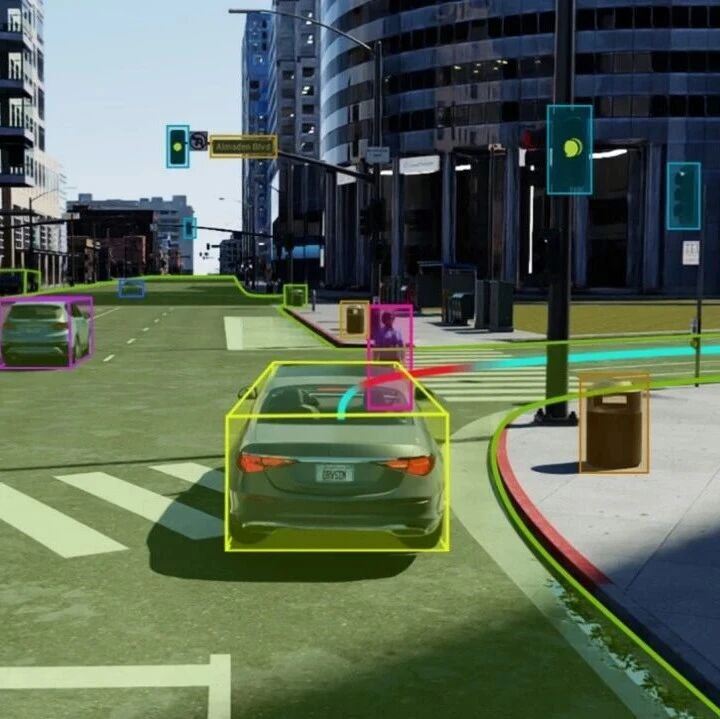
即将开课!做了一份3DGS的学习路线图,面向初学者......
自动驾驶之心· 2025-11-30 02:02
Core Insights - The article emphasizes the rapid technological iteration in 3DGS (3D Graphics Systems), highlighting the transition from static reconstruction (3DGS) to dynamic reconstruction (4DGS) and surface reconstruction (2DGS) [1] - A new course titled "3DGS Theory and Algorithm Practical Tutorial" has been developed to provide a structured learning roadmap for individuals interested in entering the field, covering essential theories and practical coding skills [1] Course Overview - The course is designed to help newcomers understand the foundational concepts of computer graphics, including implicit and explicit representations of 3D space, rendering pipelines, ray tracing, and radiation field rendering [5] - It introduces commonly used development tools such as SuperSplat and COLMAP, along with the mainstream algorithm framework Gsplat [5] Chapter Summaries - **Chapter 1: Background Knowledge** This chapter provides an overview of 3DGS, starting with basic computer graphics concepts and tools necessary for model training [5] - **Chapter 2: Principles and Algorithms** Focuses on the core principles and pseudocode of 3DGS, covering dynamic reconstruction, surface reconstruction, and ray tracing, utilizing the NVIDIA open-source 3DGRUT framework for practical learning [6] - **Chapter 3: Autonomous Driving 3DGS** Concentrates on key works in the field, such as Street Gaussian and OmniRe, and uses DriveStudio for practical applications [7] - **Chapter 4: Important Research Directions** Discusses significant research areas in 3DGS, including COLMAP extensions and depth estimation, and their relevance to both industry and academia [8] - **Chapter 5: Feed-Forward 3DGS** Explores the rise of feed-forward 3DGS, detailing its development and algorithmic principles, along with recent works like AnySplat and WorldSplat [9] - **Chapter 6: Q&A Discussion** Organizes online discussions for participants to address industry needs, pain points, and open questions, facilitating deeper engagement with instructors [10] Target Audience and Learning Outcomes - The course is aimed at individuals with a foundational understanding of computer graphics, visual reconstruction, and programming in Python and PyTorch, who are looking to enhance their knowledge and skills in 3DGS [14] - Participants will gain comprehensive theoretical knowledge and practical experience in 3DGS algorithm development and frameworks, preparing them for various career opportunities in the field [14]
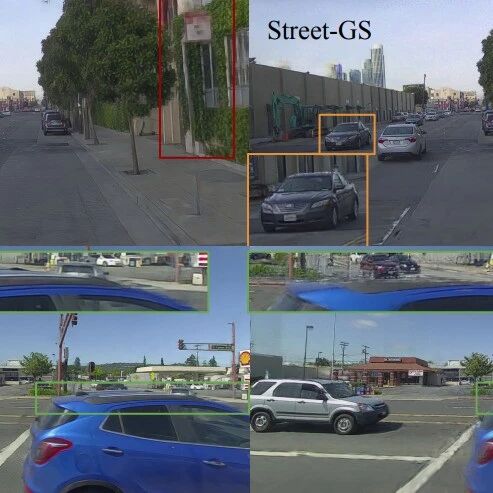
面向工业界的3DGS全栈学习路线图(前馈GS等)
自动驾驶之心· 2025-11-27 00:04
Core Insights - The rapid technological iteration in 3DGS (3D Graphics Systems) is highlighted, with advancements from static reconstruction to dynamic and surface reconstruction, culminating in feed-forward 3DGS [1] - A comprehensive learning roadmap for 3DGS has been developed to assist newcomers in mastering both theoretical and practical aspects of the technology [1] Course Overview - The course is structured into six chapters, starting with foundational knowledge in computer graphics and progressing through principles, algorithms, and applications in autonomous driving [5][6][7][8][9] - The course aims to provide a detailed understanding of 3DGS, including tools like SuperSplat and frameworks such as Gsplat and DriveStudio [5][6][7] Target Audience - The course is designed for individuals with a background in computer graphics, visual reconstruction, and programming, specifically those familiar with Python and PyTorch [14] Learning Outcomes - Participants will gain a solid grasp of 3DGS theory, algorithm development, and industry applications, enabling them to engage in discussions about job demands and industry challenges [10][12]
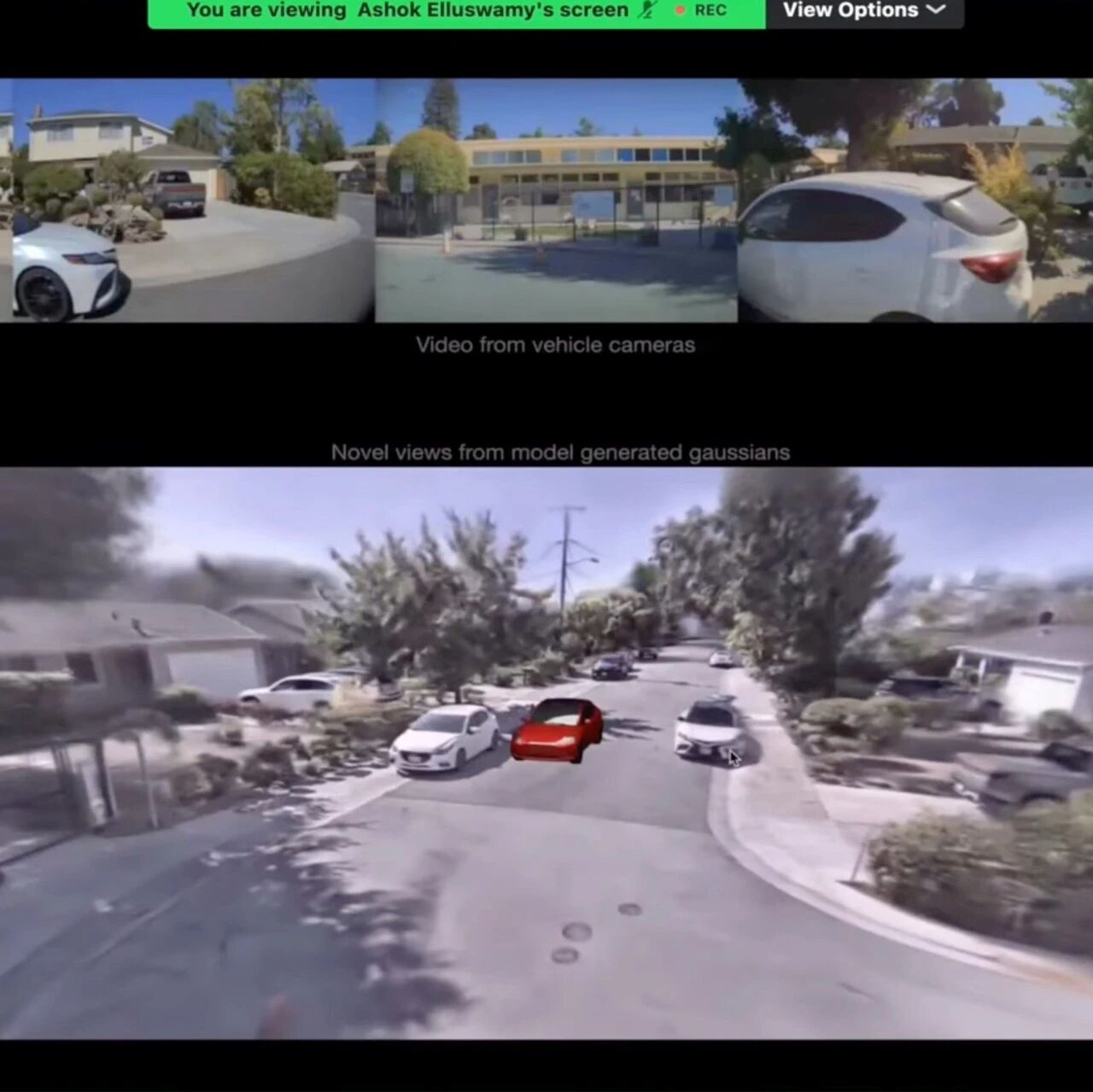
工业界大佬带队!三个月搞定3DGS理论与实战
自动驾驶之心· 2025-11-04 00:03
Core Insights - The article discusses the rapid advancements in 3D Generative Synthesis (3DGS) technology, highlighting its applications in various fields such as 3D modeling, virtual reality, and autonomous driving simulation [2][4] - A comprehensive learning roadmap for 3DGS has been developed to assist newcomers in mastering both theoretical and practical aspects of the technology [4][6] Group 1: 3DGS Technology Overview - The core goal of new perspective synthesis in machine vision is to create 3D models from images or videos that can be processed by computers, leading to numerous applications [2] - The evolution of 3DGS technology has seen significant improvements, including static reconstruction (3DGS), dynamic reconstruction (4DGS), and surface reconstruction (2DGS) [4] - The introduction of feed-forward 3DGS has addressed the inefficiencies of per-scene optimization methods, making the technology more accessible and practical [4][14] Group 2: Course Structure and Content - The course titled "3DGS Theory and Algorithm Practical Tutorial" covers detailed explanations of 2DGS, 3DGS, and 4DGS, along with important research topics in the field [6] - The course is structured into six chapters, starting with foundational knowledge in computer graphics and progressing to advanced topics such as feed-forward 3DGS [10][11][14] - Each chapter includes practical assignments and discussions to enhance understanding and application of the concepts learned [10][12][15] Group 3: Target Audience and Prerequisites - The course is designed for individuals with a background in computer graphics, visual reconstruction, and programming, particularly in Python and PyTorch [19] - Participants are expected to have a GPU with a recommended computing power of 4090 or higher to effectively engage with the course material [19] - The course aims to benefit those seeking internships, campus recruitment, or job opportunities in the field of 3DGS [19]