Flood risk

Search documents
The flood risk hidden in plain sight | Rebeca de Jesús Crespo | TEDxBatonRouge
TEDx Talks· 2026-04-14 15:46
Think about home for a moment. Where you came from. What reminds you of that place.Maybe it's a sound, music spilling through a doorway. Maybe it's a sight, a familiar street, a festival in full swing. Maybe it's a smell.Food cooking in the kitchen rich with memories. When I think of home, I smell the food. In Puerto Rico, that would be the slow simmer of soprito, the sweetness of fresh mango, or the sizzle of frying suitoss.When I came to Louisiana, I found different dishes, but the same feeling. The joy o ...


UK Floods Raise Specter of ‘Mortgage Prisoners’ for Banks
Insurance Journal· 2026-02-19 11:06
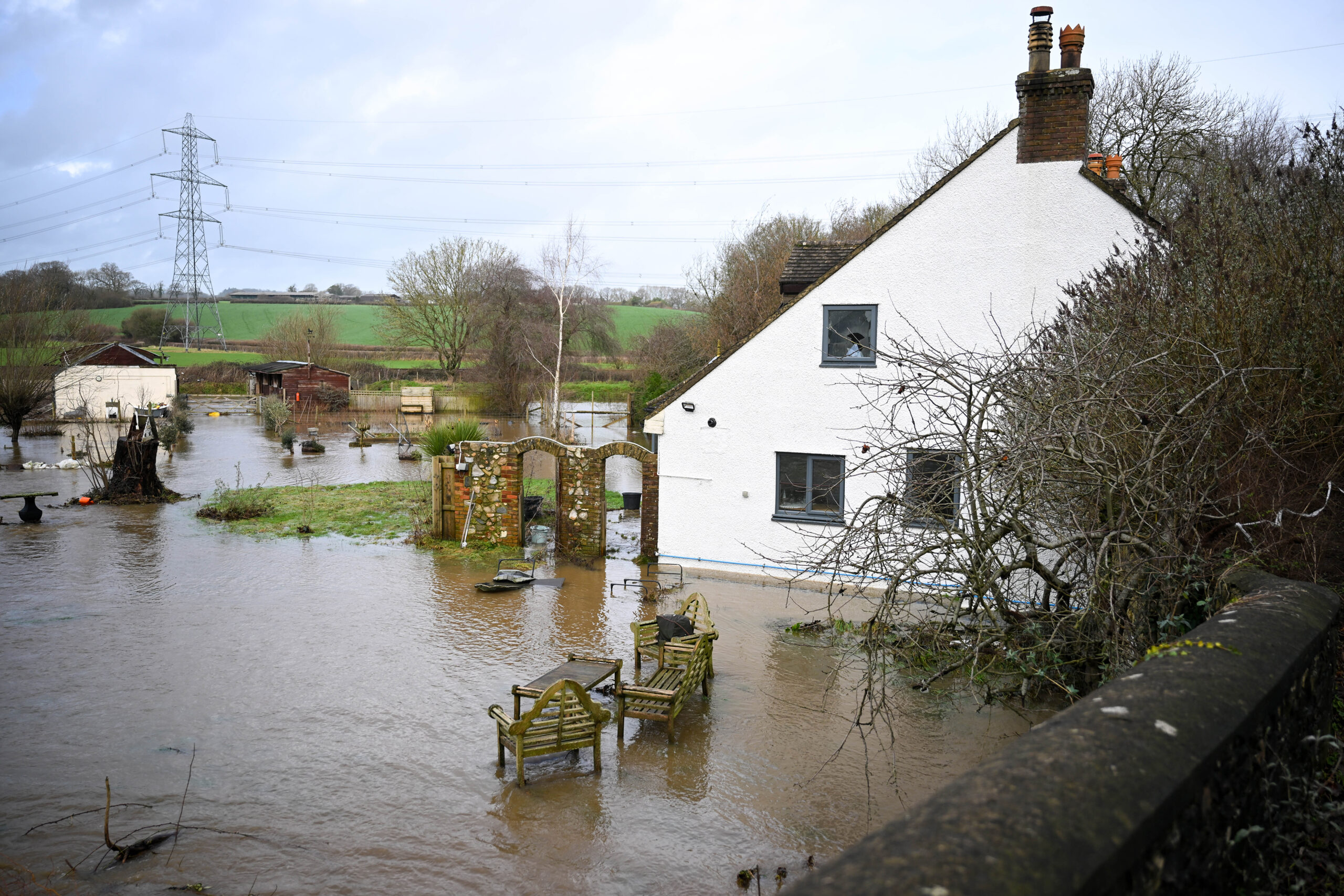
Core Viewpoint - The increasing risk of flood damage in the UK is pressuring banks to reassess their mortgage portfolios and lending practices, as more properties are being built in flood-prone areas, leading to potential financial implications for both banks and homeowners [1][3][6]. Group 1: Flood Risk and Mortgage Implications - There are currently 6.3 million properties in England at risk of flooding, with 11% of new homes built between 2022 and 2024 located in areas facing medium to high flood risks, an increase from 8% in the previous decade [3]. - Banks like Barclays and NatWest are identifying high-risk areas within their mortgage portfolios, with Barclays reporting 2.6% of its UK mortgage book in high flood risk areas and NatWest indicating 3.4% of its home loans at high risk [7][8]. - Lloyds Banking Group states that one in six properties on its books is at risk of flooding, emphasizing the need for physical inspections and careful assessment of collateral [9]. Group 2: Regulatory and Market Dynamics - The UK's Prudential Regulation Authority has introduced stricter rules requiring banks to incorporate flood risk into credit assessments, prompting banks to reevaluate their lending decisions [12]. - There is a noted asymmetry between banks and insurers in managing flood risks, with insurers able to adjust premiums annually while banks are locked into long-term loans, creating significant risks for banks [2][13]. - The Flood Re reinsurance plan, designed to help homeowners access affordable insurance, is set to expire in 2039, raising concerns about the future availability of insurance in flood-prone areas [15][17]. Group 3: Climate Change and Urban Development - Climate change is exacerbating flooding risks, with urban landscapes contributing to drainage issues, as evidenced by severe flooding events in regions like Cornwall [5]. - The ongoing development of properties in flood-prone areas poses a threat to real estate dynamics in Britain, potentially leading to decreased property values and increased financial strain on homeowners [6]. - Banks are conducting scenario analyses to understand the long-term impacts of flooding on their mortgage portfolios, particularly if Flood Re is not extended beyond its current expiration [17][18].