
Gender pay gap

Search documents
Work-life balance and flexibility top priorities for CAs – survey
Yahoo Finance· 2026-02-05 10:01
Core Insights - Balancing professional and personal commitments is a primary concern for chartered accountants (CAs) according to the CA ANZ 2025/26 Remuneration Survey, which included over 4,100 members from Australia, New Zealand, and overseas [1] Group 1: Job Diversity and Roles - Respondents reported a wide range of job titles beyond traditional roles, including caregiver, tribe performance lead, cybersecurity director, and sustainability leader, with over 660 distinct roles represented [2] Group 2: Remuneration Trends - The not-for-profit sector in Australia saw the strongest rise in median remuneration at 8%, while the same sector in New Zealand recorded a 3% increase; the corporate sector in New Zealand had the largest increase at 6%, whereas corporate median remuneration in Australia experienced a slight decline [4] - A smaller proportion of respondents reported pay rises of more than 10%, with 21% of younger members aged 20–29 receiving increases above this threshold [4] Group 3: Employee Retention Factors - Employers aiming to recruit and retain high-performing staff should focus on factors beyond pay, such as flexible working, reasonable workloads, work-from-home options, clear development pathways, and a supportive workplace culture [5] - Approximately one third of respondents are considering leaving their current employer within the next 12 months [5] Group 4: Gender Pay Gap and Employee Preferences - The survey highlighted a persistent gender pay gap, estimated at 24% in New Zealand and 14% in Australia, with women prioritizing flexible arrangements and work-from-home options [6]
Women Depend on Social Security More Than Men: Is Their Retirement at Risk?
Yahoo Finance· 2025-12-28 12:10
Core Insights - The reliance on Social Security as a primary source of retirement income is notably higher among women, with 27% of women workers expecting it to be their main source compared to 19% of men [1] - The Social Security trust fund is projected to be depleted by 2033, raising concerns about potential benefit cuts if reforms are not implemented [1] Group 1: Gender Differences in Social Security Reliance - A higher percentage of women retirees depend on Social Security compared to men, indicating a gender disparity in retirement income sources [3] - 77% of women workers express concern that Social Security may not be available when they retire, highlighting a significant level of anxiety regarding future benefits [4] Group 2: Financial Planning Recommendations - Women are encouraged to focus on building personal savings and employer benefits to reduce reliance on Social Security, emphasizing the importance of meaningful employment with retirement benefits [4] - Early and consistent saving, along with utilizing tax-advantaged savings opportunities like 401(k) plans or IRAs, is crucial for achieving financial security in retirement [4] - Establishing emergency savings is recommended to prevent the need to access retirement funds prematurely [5] Group 3: Contributing Factors to Financial Challenges - The gender pay gap persists, affecting women's ability to save for retirement [6] - Women often take breaks from the workforce for caregiving, which can hinder their career progression and earning potential upon returning [6] - The rapid changes in the job market make it challenging for women to find work at the same pay level after returning to the workforce [6]
How Much Cash Women Really Have Saved — and Why It Falls Short
Yahoo Finance· 2025-12-17 13:05
Core Insights - More than 20% of women have no cash savings, and those who do have an average of $54,000, which is less than the $62,000 average for men, highlighting a significant savings gap [1][3] Group 1: Financial Realities for Women - Unique financial challenges such as caregiving responsibilities, career breaks, and the gender pay gap contribute to women's lower savings [3] - Rising costs and inflation further complicate the ability to save, making it difficult for women to build a financial cushion [3] Group 2: Positive Trends and Actions - An increasing number of women are prioritizing financial well-being by creating emergency funds and planning for the future [4] - The study indicates that nearly 25% of women have less than $1,000 saved for emergencies, and 20% have no emergency fund at all, suggesting a need for increased financial literacy and action [7] Group 3: Savings Strategies - Recommendations for boosting savings include automating savings, wisely using windfalls, choosing high-yield savings accounts, and trimming unnecessary expenses [7] - The importance of tailoring savings to individual circumstances is emphasized, suggesting that savings should align with personal financial situations [6]
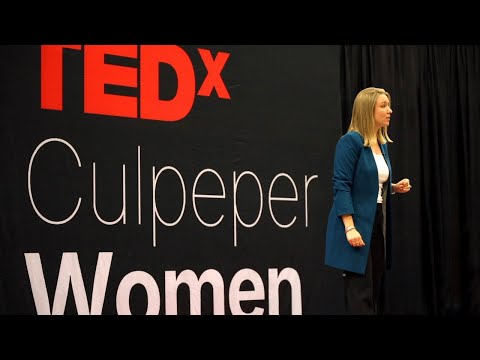
The most powerful thing women can do with money | Belle Osvath | TEDxCulpeper Women
TEDx Talks· 2025-12-10 16:25
[music] [applause] I love talking about a topic that most people try to avoid. It's something that affects every single person in this room. Where we live, where we work, where we play, how we care for ourselves and others.It even shows up when we're scrolling through social media. Can you guess what it is. It's money.Money affects every single part of our lives. Yet, most of us don't talk about it, even with the people closest to us. We'll talk about everything else.Our family drama, our mental health, our ...

I’m turning 65 this year and not ready to leave my job — but should that change my plans for claiming Social Security?
Yahoo Finance· 2025-10-05 14:30
Core Insights - The article discusses the complexities of deciding when to start receiving Social Security benefits, emphasizing that benefits are calculated based on the highest 35 years of earnings rather than the most recent years [1][2][4] - It highlights the potential for individuals to increase their benefits by continuing to work and earning more than their previous highest earning years [12] - The article also addresses the implications of life expectancy on retirement planning, noting that longer life expectancies necessitate careful consideration of retirement savings and benefit timing [14][15] Summary by Sections Social Security Benefits Calculation - Benefits are based on the highest 35 years of earnings, allowing for potential increases if higher income is earned after starting benefits [1][12] - The Social Security Administration reviews earnings records annually, even after benefits have begun [2] Retirement Age and Benefits - Individuals born in 1960 or later will reach full retirement age (FRA) at 67, with benefits increasing for each year benefits are delayed until age 70 [3][13] - Starting benefits before FRA results in reduced monthly payments, while no benefits are withheld after reaching FRA regardless of earnings [4][8] Financial Considerations - The maximum monthly benefit for those starting at age 62 is $2,831, while the average benefit for women at age 66 is $1,441.82 [11] - If an individual continues to work and earns above their previous highest years, they can displace lower-earning years and increase their benefits [12] Life Expectancy and Retirement Planning - Life expectancy for men reaching age 65 is projected at 84.3 years, and for women, it is 86.9 years, indicating a need for long-term financial planning [14] - The decision of when to retire and start benefits is personal and should consider financial implications and personal fulfillment [16]
How informational interviews can get you hired | Natalie Janine Gates | TEDxWilsonPark
TEDx Talks· 2025-07-08 17:01
Career Advancement & Networking - Networking is more effective than solely relying on job applications for securing better-paying positions [1] - 85% of jobs are filled through networking, according to a 2016 LinkedIn report [1] - Requesting informational interviews is crucial before applying for a job [1] - Preparing 3-5 questions for informational interviews is recommended, focusing on company culture, team goals, and expectations for the first six months [1] Gender Pay Gap & Workplace Dynamics - Women in the US earn an average of 82% of what men earn in comparable roles, according to a 2022 Pew Research Center report [1] - The document advocates for women to proactively create networking opportunities to address pay disparities [1] - The importance of assessing company culture and ensuring a "lifegiving environment" is highlighted [1] Actionable Strategies - Email hiring managers directly to request informational interviews before formally applying [1][2] - Use information gathered during informational interviews in application materials to demonstrate fit and enthusiasm [2] - Focus on "who you know" rather than solely on resume improvements [1]

5 barriers women face to saving money and how to overcome them
Yahoo Finance· 2025-03-08 11:00
Core Insights - March is recognized as Women's History Month, highlighting both the achievements of women and the ongoing challenges in achieving gender equality [1] Financial Disparities - A survey indicates that 40% of women are "very dissatisfied" or "completely dissatisfied" with their savings compared to 28% of men, with women saving an average of $3,146 and men saving $7,007 in 2022 [2] - Women earned an average of 85% of what men earned in 2024, a slight increase from 81% in 2003, indicating minimal progress in closing the gender pay gap [5] Career Interruptions - Women are more likely to take career breaks for caregiving, which negatively impacts their long-term earning potential and savings [8] - Approximately 70% of caregivers face work-related difficulties, risking up to $300,000 in job-related benefits due to caregiving responsibilities [9] Retirement Concerns - Women in the U.S. outlive men by over five years, leading to increased concerns about retirement savings, with 65% of women fearing they will outlive their savings [12] Additional Financial Challenges - The "pink tax" results in women paying more for certain products and services, contributing to financial strain [14] - Women hold 63.6% of all student loan debt, making it harder for them to save and invest for the future [15]