Global Supply Chain Disruption

Search documents
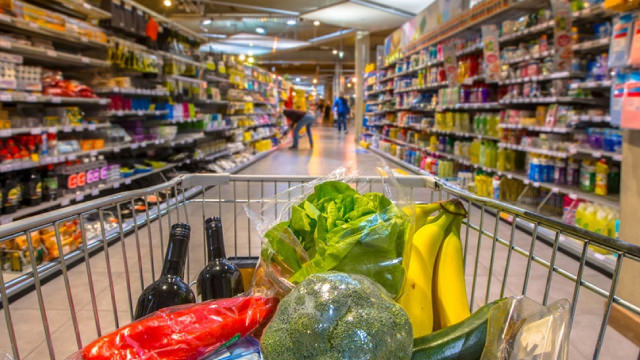
How the Iran war could start to impact U.S. retail prices
CNBC· 2026-03-13 15:30
Core Insights - The ongoing conflict involving Iran is leading to significant disruptions in the global supply chain, particularly affecting oil and essential goods, which may result in higher consumer prices [2][3][12] - Retailers are facing dual pressures from rising input costs and changing consumer demand, which could impact their pricing strategies and overall sales performance [5][6][8] Supply Chain Disruptions - The closure of the Strait of Hormuz by Iran has severely affected the flow of oil and other exports, creating a bottleneck in one of the world's most crucial shipping routes [2] - Retailers have improved their supply chain flexibility in recent years, but the current geopolitical tensions may challenge this adaptability [4] Retail Sector Implications - Grocery prices are expected to be impacted first due to less flexible supply chains compared to other sectors like apparel [4] - Discretionary retailers, such as Five Below and Target, are likely to face significant challenges as consumer confidence declines and spending shifts [9][12] Consumer Behavior and Economic Impact - Rising oil prices are anticipated to strain household budgets, leading to reduced discretionary spending and altering retail traffic patterns [12][13] - Value-oriented retailers like Walmart and dollar stores may perform better as consumers seek more affordable options during economic uncertainty [7][10] Market Outlook - Retailers appealing to higher-income consumers or offering specialty products may navigate the challenges more successfully, as seen with Costco's potential benefits from price leadership on gas [10][11] - The overall growth of the retail sector remains uncertain, with the potential for broader economic implications as the industry adapts to ongoing disruptions [6]


Amazon closes warehouses and suspends deliveries across Abu Dhabi
Business Insider· 2026-03-02 19:39
Group 1 - Amazon has closed its fulfillment center operations in Abu Dhabi and suspended deliveries across the region due to escalating instability affecting its Middle East network [1][4] - Employees in Saudi Arabia and Jordan have been instructed to remain indoors, with many transitioning to work from home, while business travel to Israel and Lebanon has been blocked [2] - The disruption highlights the vulnerability of global supply chains to geopolitical tensions, particularly after Amazon's significant investment in the region, including the acquisition of Souq.com for approximately $600 million in 2017 [3] Group 2 - The shutdown in Abu Dhabi is expected to reduce network capacity across Amazon's Middle Eastern operations, with additional operational support on standby to manage disruptions [4] - Nearly 300,000 third-party sellers in the region are facing shipment delays and potential order cancellations due to tightened logistics channels, as many rely on Amazon's fulfillment infrastructure [5] - A power outage at one of Amazon's data centers has occurred due to the US-Iran conflict, with repairs expected to take at least a day [6]

Global Tensions Rise as Hezbollah Weighs Response; Supply Chains Brace for Holiday Impact
Stock Market News· 2025-11-23 16:38
Group 1: Middle East Tensions - Hezbollah's leadership is considering a response to a recent Israeli airstrike in Beirut that resulted in five fatalities and 25 injuries, raising concerns about potential escalation in Lebanon [3] - Israeli Defense Minister Israel Katz reaffirmed the country's commitment to act decisively against any threats to its residents [3] Group 2: Holiday Shipping Challenges - UPS and FedEx are facing challenges in securing sufficient freighters due to the FAA's emergency directive grounding all McDonnell Douglas MD-11 aircraft following a fatal crash that killed 14 people [4] - The grounding of MD-11s, which make up a small portion of both companies' fleets, could lead to delays during the critical holiday delivery season, prompting both companies to implement contingency plans [4] Group 3: Japan's Semiconductor Strategy - Japan is introducing a cybersecurity mandate as a condition for companies receiving subsidies for semiconductor plants, part of a strategy to strengthen its domestic chip industry [5] - The Japanese government has proposed $65 billion in subsidies over multiple years to attract chipmakers and has set conditions for long-term production commitments and technology protection [5] Group 4: U.S. Political Developments - Former President Donald Trump is preparing to designate the Muslim Brotherhood as a foreign terrorist organization, emphasizing the use of "the strongest and most powerful terms" for the designation [6] - This move follows previous attempts by the Trump administration and state-level actions to classify the Muslim Brotherhood as a terrorist organization [7]