Housing Price Increase

Search documents
2026年爱尔兰房价持续上涨,都柏林涨幅或达4%
Sou Hu Cai Jing· 2026-01-07 20:14
Core Viewpoint - The report by DNG indicates that Irish housing prices are expected to continue rising through 2026, with annual growth projected to remain in the low to mid-single digits [1]. Group 1: Housing Market Trends - The total number of new residential completions in 2025 is expected to be slightly higher than in 2024, but significant increases in supply are necessary to meet the government's target of 300,000 homes by 2030 [3]. - Price growth in the housing market is anticipated to be concentrated in the first and second quarters of the year, with Dublin prices expected to rise by 3% to 4%, while areas outside the capital are projected to see slightly higher increases [3]. - The annual price growth rate for Dublin is forecasted to be 5.2% by December 2025, a notable decrease from 9.2% in the previous year, while the growth rate for areas outside the capital was approximately 7.4% last year and is expected to follow a similar trend in 2026 [3]. Group 2: Current Market Conditions - The average price of second-hand homes in Dublin has reached €613,078, while the average price in other regions of the country is €321,603 [3]. - Factors such as a positive demographic structure, a low interest rate environment, and a robust economic backdrop are expected to continue supporting price increases, despite supply not meeting demand [3]. Group 3: Rental Market Concerns - A warning is issued regarding the upcoming rental market reform proposal set to take effect in March, which has led many small to medium-sized landlords to exit the Dublin rental market, potentially exacerbating the shortage of rental properties [3]. - DNG's CEO, Keith Lowe, has called on the government to reconsider the reform proposal and suggested allowing small landlords to sell one vacant property per year to alleviate market pressure [3].

加拿大一些城市房价涨幅超越纽约洛杉矶等城市
Sou Hu Cai Jing· 2025-12-15 06:11
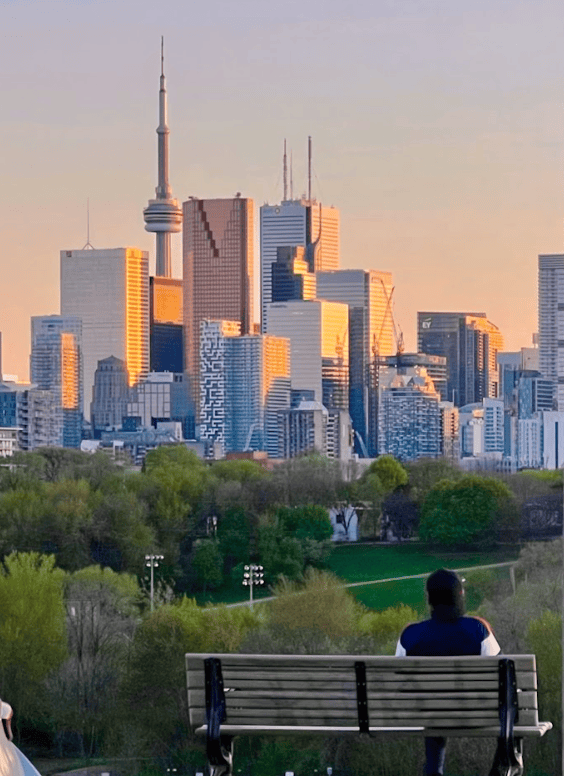
Core Insights - Despite rising home prices in most major North American cities, Canadian cities are experiencing the highest price increases, significantly outpacing cities like New York and Los Angeles [1] Group 1: Price Trends - Over the past 20 years, home prices in Canada have consistently risen, with an average increase of 92% from 2005 to 2025 across North America's top 25 cities [1] - The fastest-growing cities in terms of home price increases are all located in Canada, with Vancouver leading at a 175% increase since 2005, followed by Montreal at 167% and Toronto at 165% [1][4] Group 2: Comparative Analysis - In the United States, cities with the fastest home price increases include Dallas, Charlotte, Denver, Seattle, Houston, and Atlanta, but none match the growth rates seen in Canadian cities [3] - The top five housing markets in North America based on price increase percentages are: 1. Vancouver: 175% 2. Montreal: 167% 3. Toronto: 165% 4. Dallas: 139% 5. Charlotte: 134% [4]
楼市大反转信号明显,房价又要涨了,购房者都笑了,但有人要哭了
Sou Hu Cai Jing· 2025-12-01 19:16
Group 1 - The housing market is showing signs of recovery, with increased discussions about rising property prices due to government efforts to stimulate the market [1] - Recent changes in housing provident fund policies include a 30% increase in personal housing loan limits and the ability to withdraw funds for property fees, which may ease the financial burden on homebuyers [1] - The expansion of provident fund usage for renovation costs and the broadening of loan eligibility for individuals contributing in major cities like Beijing and Shenzhen indicates a more supportive environment for home purchases [1] Group 2 - Future property prices are expected to rise, particularly in first-tier and new first-tier cities, including Shenzhen, which serves as a bellwether for the national housing market [3] - The sentiment around property prices has shifted, with a prevailing belief that prices will continue to decline, leading to a reluctance among potential buyers [5] - The current market conditions suggest that the bottom may have been reached, and the potential for price increases exists when the majority of people feel hopeless about the market [7]

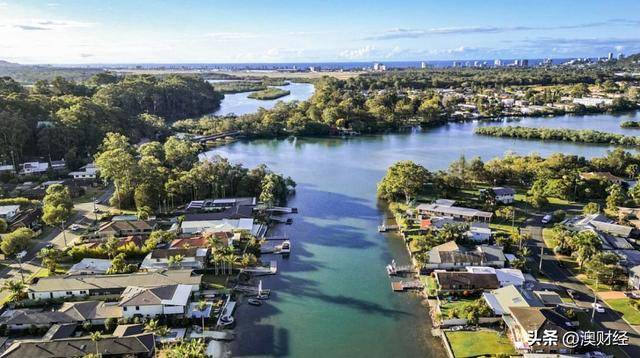
过去10年,全澳超800城区进入“房价百万俱乐部”!有你家吗
Sou Hu Cai Jing· 2025-06-04 07:04
Core Insights - The number of suburbs in Australia with a median house price exceeding AUD 1 million has significantly increased from 273 in 2015 to 1,073 by 2025, indicating a growing trend in property values across the country [1][3]. Price Trends - In 2015, the median house price in New South Wales was AUD 550,000, while other states had median prices around AUD 400,000. By 2025, the median price for independent houses has risen to AUD 1,040,000, reflecting a 161% increase [3][6]. - Specific suburbs have seen dramatic increases in median house prices, such as Tweed Heads West, which rose from AUD 398,500 in 2015 to AUD 1,040,000 in 2025, a 161% increase [4]. Regional Analysis - Coastal areas have become increasingly valuable, with many suburbs that were previously affordable now exceeding AUD 1 million. For instance, Jacobs Well's median price increased from AUD 410,000 to AUD 1,170,250, marking a 185% rise [5]. - In Queensland, suburbs like Sunrise Beach and Noosa Heads have experienced the highest growth rates, with prices soaring from AUD 580,000 and AUD 690,000 in 2015 to AUD 2,010,000 and AUD 2,225,000 respectively by 2025 [7]. Million Dollar Club Expansion - The "Million Dollar Club" has expanded significantly, with 73 suburbs in South Australia now exceeding AUD 1 million, up from just two in 2015. Tasmania has only one suburb, Sandy Bay, that has reached this threshold [16]. - The Australian Capital Territory has also seen growth, with the number of suburbs in the Million Dollar Club increasing from two to 32 since 2015 [16]. Market Dynamics - The increase in house prices is attributed to factors such as population growth and supply shortages, particularly in previously undervalued inland areas [15]. - The most expensive suburbs are now predominantly located in New South Wales, as Melbourne's property prices have declined since the pandemic [12].