Hygiene

Search documents
X @Xeer
Xeer· 2026-03-19 23:59
The Westerners finally get why Asians insist you remove your shoes when you enter their homes, especially before you soil their sofas and beds.Andra (@BioavailableNd):Wearing outside shoes inside the house. According to Dr.Gerba, Microbiologist, there's a 96% chance there's fecal matter on your sole and +400k units of bacteria. https://t.co/8oha1owBHR ...
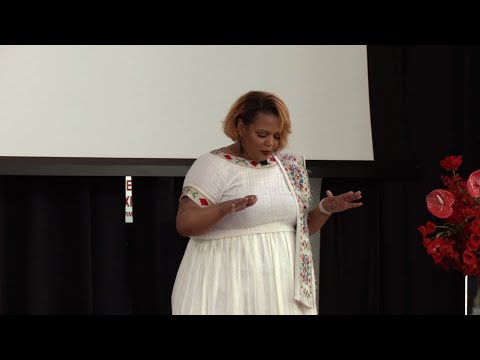
Where Do You Go When You Gotta Go? | Dr. Marakie Tesfaye | TEDxLogan Circle
TEDx Talks· 2025-11-05 16:27
Problem Statement & Feminist Perspective - Globally, one in three people lack access to basic sanitation [3] - Women spend over 98 billion hours annually seeking safe places to relieve themselves [3] - Lack of access to toilets is a feminist issue, impacting girls' futures, safety, and autonomy [3] - Toilets are about voice, presence, power, dignity, and access, yet rarely discussed in feminism [8] - Feminist sanitation justice addresses privacy, shame, and safety, not just infrastructure [11] Business & Social Impact Initiatives - A social impact business was launched to maintain toilet cleanliness, hiring women and selling advertising, but failed due to taboo [4] - Jeet, a movement, was launched to remove obstacles for women and girls [5] - Jeet advocated for the removal of tax on sanitary pads and remodeled school toilets [6] - Dignity kits with reusable sanitary napkins were designed to keep girls in school for up to two years [6] Education & Health Consequences - Girls miss up to 100 days of school annually due to lack of toilets and menstrual hygiene [7] - UNESCO confirms girls are more likely to drop out after puberty if schools lack toilets [7] - Lack of access leads to early marriage, domestic servitude, and exploitation [7] - Holding it in due to lack of toilet doors leads to dehydration, urinary tract infection, and kidney disease [9][10] Solutions & Recommendations - WASH (water, sanitation, and hygiene) should be reimagined as a feminist frontier, centering women's bodies and stories [12] - Address the "missing door" and listen to women's needs to achieve UN Sustainable Development Goal 6 [12] - Making sanitation a feminist issue is disruptive because toilets are about voice, presence, access, and power [13]