Inflation stickiness

Search documents
美国长债收益率“异常”上涨,“债券义警”拉响警报
2 1 Shi Ji Jing Ji Bao Dao· 2025-09-22 13:04
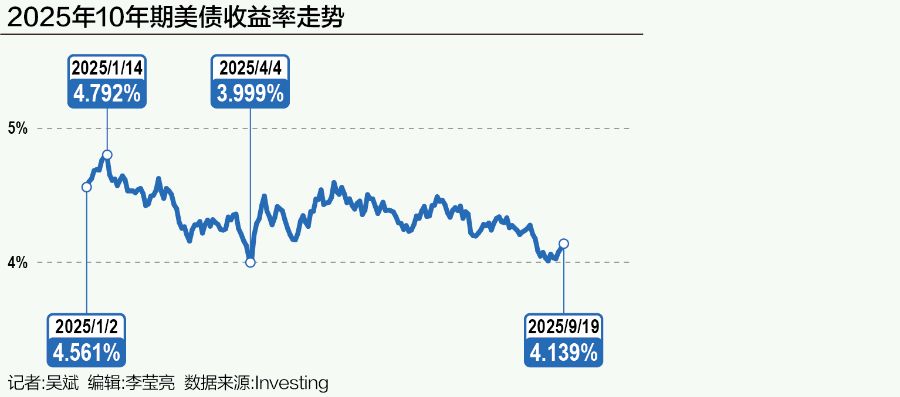
Group 1 - The core point of the article discusses the unexpected rise in long-term U.S. Treasury yields following the Federal Reserve's interest rate cut, despite the anticipated decrease in yields after such a move [3][4][5] - The 10-year U.S. Treasury yield rose to above 4.14% and the 30-year yield exceeded 4.75%, indicating a significant market reaction [3] - The rise in yields is attributed to market behavior characterized as "buy the expectation, sell the fact," where investors had already priced in the rate cut, leading to profit-taking after the actual cut [3][4] Group 2 - Concerns about persistent inflation are a critical factor, as recent data suggests that inflation remains sticky, complicating the Fed's ability to lower rates further [4][5] - The high long-term yields increase government interest payments, exacerbating fiscal deficits and raising questions about the sustainability of U.S. debt levels [5][10] - The market's risk appetite appears high, with optimism about economic growth reflected in the stock market's performance, particularly in technology stocks [4][5] Group 3 - The future downward space for long-term Treasury yields is expected to be limited, with the Fed's cautious approach to rate cuts indicating a slow decline in yields [6][10] - The Fed's dot plot suggests a median forecast for the federal funds rate to be around 3.6% by the end of 2025, indicating limited room for further cuts [7][9] - The current environment suggests a "higher for longer" interest rate scenario, requiring investors to reassess asset allocations in light of this new normal [11]