OLED技术竞争

Search documents
近1700亿元投入OLED高世代产线:技术竞争开启,明年起集中释放产能
第一财经· 2025-11-16 06:21
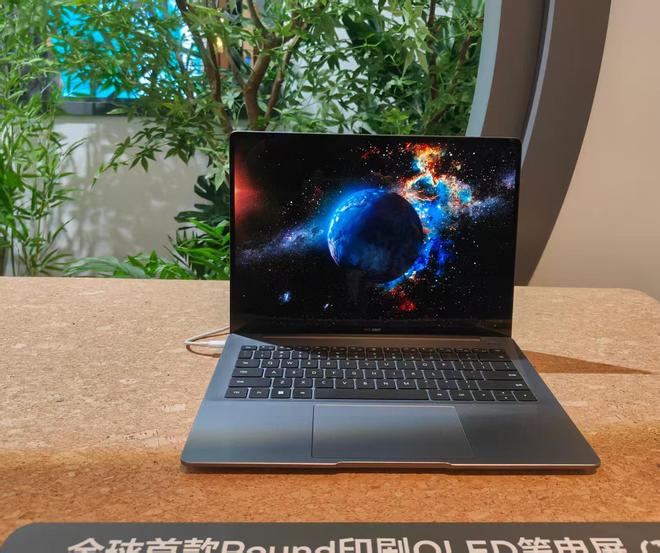
Core Viewpoint - The recent capital increase and control change at Visionox have highlighted the pressures faced by the panel industry, which is characterized by heavy investment, long cycles, and high costs. Companies are seeking to balance revenue generation with substantial investments in production lines [3][4]. Investment and Financial Performance - Significant investments in high-generation OLED production lines have become a focal point, with major domestic manufacturers like Visionox, TCL Huaxing, and BOE collectively investing over 1.4 trillion yuan (approximately 200 billion USD) in 8.6-generation OLED production lines [3][4]. - Visionox and BOE reported revenues of approximately 7.9 billion yuan (about 1.1 billion USD) and 198.4 billion yuan (around 28.1 billion USD) respectively, with net profits of -2.5 billion yuan and 5.3 billion yuan [4]. Competitive Landscape - The ability of these new production lines to translate into revenue and competitiveness is a critical concern. The industry is expected to see a surge in production capacity from 2024 to 2028, leading to intensified competition [5][6]. - Different technical routes for OLED production are competing, including evaporation, LGD's white OLED, Samsung's QD-OLED, and printed OLED technologies. Each has its own characteristics and applications [6][7]. Technological Advancements - Companies are focusing on improving production line metrics to prepare for the upcoming OLED capacity increase. For instance, TCL Huaxing's printed OLED technology has made significant progress in commercial viability, with yield rates improving from single digits to 70% over the past year [6][7]. - Visionox has developed the ViP technology to overcome traditional AMOLED production challenges, although it faces issues related to yield and material development [7]. Market Outlook - The OLED market is experiencing fierce competition, with some manufacturers yet to achieve profitability. Market demand is also evolving, leading to a stagnation in AMOLED revenue growth this year, with a slight recovery expected next year [8]. - Omdia forecasts a 5% revenue growth for AMOLED in the coming year, despite anticipated price and specification competition intensifying as more 8.6-generation OLED production lines come online [8].


近1700亿元投入OLED高世代产线:技术竞争开启,明年起集中释放产能
Di Yi Cai Jing Zi Xun· 2025-11-16 05:37
Core Insights - The recent capital increase and control change at Visionox have drawn attention to the pressures faced by the panel industry, characterized by heavy investment, long cycles, and high costs [1] - High-generation OLED production line investments are significant, with major domestic manufacturers collectively investing over 1.4 trillion yuan, and the total investment from four key players nearing 1.7 trillion yuan [1][3] - The competition in the OLED market is intensifying, with various technology routes being pursued, and the ability to convert investments into revenue and competitiveness is a critical concern for industry players [3][4] Investment and Financial Performance - Visionox and BOE reported revenues of approximately 7.9 billion yuan and 198.4 billion yuan respectively, with net profits of -2.5 billion yuan and 5.3 billion yuan last year, raising questions about future revenue generation from new production lines [3] - The OLED market is experiencing a stagnation in revenue growth due to declining display prices, with a slight recovery expected next year [6] Technology and Production Capacity - There are five main technology routes in OLED production, including evaporation, white OLED, QD-OLED, printed OLED, and maskless technologies, each with distinct characteristics [4] - TCL Huaxing is focusing on printed OLED technology, which has shown improvements in yield rates, but challenges remain in achieving efficiency comparable to traditional methods [4][5] - Visionox's ViP technology aims to overcome traditional AMOLED production limitations, although it faces challenges related to yield and material development [5] Market Dynamics - The OLED market is highly competitive, with many manufacturers yet to achieve profitability, and the demand for displays continues to evolve [6] - As more 8.6-generation OLED production lines come online, price and specification competition is expected to intensify [6]