Omni - channel

Search documents
Five Below(FIVE) - 2026 Q4 - Earnings Call Transcript
2026-03-18 21:32
Financial Data and Key Metrics Changes - For the fourth quarter, net sales increased 24% to $1.7 billion, with a comparable sales increase of just over 15% driven by an 8% increase in comparable ticket and a 7% increase in comparable transactions [15][19] - For the full year, net sales increased 23% to $4.8 billion, supported by a comparable sales increase of nearly 13% [19][20] - Adjusted net income for fiscal 2025 grew 33% to $370 million, and adjusted earnings per share increased 32% to $6.67 per share [21] Business Line Data and Key Metrics Changes - The company opened 150 net new stores in 2025, growing its store count by 8.5% to a total of 1,921 stores [6][16] - Adjusted gross profit for the year increased 25% to $1.7 billion, with a gross margin of 36.1%, an increase of approximately 50 basis points compared to last year [20] Market Data and Key Metrics Changes - The company experienced broad-based growth across all merchandising worlds, with strength in all 170 districts and across all income cohorts [7][10] - The fourth quarter saw the strongest holiday performance since becoming a public company, with sales growth of 24% [6][7] Company Strategy and Development Direction - The company has defined a new strategy focused on three pillars: a maniacal focus on the target customer, delivering a connected customer journey, and cross-functional collaboration [8][9] - The marketing strategy has shifted towards social media engagement, allowing the company to dynamically engage with customers and amplify viral trends [9][12] Management's Comments on Operating Environment and Future Outlook - Management expressed confidence in the business's positioning for consistent, durable growth, despite a challenging macro environment with geopolitical uncertainties [14][23] - The outlook for fiscal 2026 anticipates sales in the range of $5.2 billion to $5.3 billion, representing a 10% increase at the midpoint [24] Other Important Information - The company ended the year with approximately $932 million in cash equivalents and investments, with inventory increasing by 28% to approximately $847 million [21][22] - Capital expenditures for fiscal 2026 are expected to be between $230 million and $250 million, reflecting continued investments in new stores and technology [25] Q&A Session Summary Question: Drivers behind the magnitude of comps - Management highlighted the crew's execution and a focus on customer engagement through social media as key drivers of success [30][31] Question: Comp momentum and guidance - Management noted broad-based growth across all assortments and emphasized the importance of direct customer engagement through social media [36][37] Question: Investments to sustain momentum - Management confirmed a commitment to reinvest in marketing and labor to support growth while balancing profitability [50][51] Question: Traffic between new and existing customers - Management reported growth in both new and existing customers, attributing success to effective marketing strategies [67][68] Question: Pricing power beyond $5 - Management explained that changes in merchandising and customer engagement have allowed for greater pricing flexibility above $5 [72][73]

G-III Apparel (GIII) - 2026 Q4 - Earnings Call Transcript
2026-03-12 13:30
Financial Data and Key Metrics Changes - For Q4 2026, net sales were $771 million, down 8% from $840 million in the same period last year, primarily impacted by a $20 million reduction due to halted shipments to Saks before its bankruptcy [30] - Full year net sales were $2.96 billion, compared to $3.18 billion in the previous year, with a significant decline attributed to the exited Calvin Klein and Tommy Hilfiger licenses [33] - Non-GAAP net income for Q4 was $13 million, or $0.30 per diluted share, down from $58 million or $1.20 per diluted share in the prior year, reflecting a $0.30 impact from the Saks bankruptcy [32] - Full year non-GAAP net income was $116 million, or $2.61 per diluted share, compared to $204 million or $4.42 per diluted share in the previous year [35] Business Line Data and Key Metrics Changes - Key owned brands, including DKNY, Donna Karan, Karl Lagerfeld, and Vilebrequin, collectively delivered mid-single-digit growth, accounting for close to 60% of revenue, up from roughly 50% last year [9] - The wholesale segment's net sales were $737 million in Q4, down from $799 million in the previous year, while retail segment sales increased to $63 million from $56 million [30] - Donna Karan saw approximately 40% growth, with significant increases in both wholesale distribution and online sales [11] Market Data and Key Metrics Changes - International sales accounted for just over 20% of fiscal 2026 net sales, indicating significant growth potential in global markets [10] - The retail segment in North America showed strong comparable store sales increases across Karl Lagerfeld and DKNY retail stores [33] Company Strategy and Development Direction - The company is focused on simplifying its portfolio and enhancing its owned brands, with a strategic priority on capturing the long-term potential of these brands [8] - Investments in infrastructure, technology, and talent are being made to support future growth, with a clear emphasis on direct-to-consumer strategies and international expansion [10][17] - The company aims to return its North American retail segment to profitability by fiscal 2027 through management changes and reduced store footprint [24] Management's Comments on Operating Environment and Future Outlook - Management acknowledged the challenges posed by exiting brands and tariff impacts but expressed confidence in the growth of owned brands and the overall strategic direction [4][49] - For fiscal 2027, the company expects net sales of approximately $2.71 billion, reflecting a reduction due to the loss of Calvin Klein and Tommy Hilfiger sales, but anticipates high single-digit growth from its go-forward brands [27][39] Other Important Information - The company ended the year with over $400 million in cash and more than $900 million in total liquidity, while also returning over $50 million to shareholders through share repurchases and dividends [7][36] - The company has identified $25 million in cost savings initiatives expected to be realized in fiscal 2028 [26] Q&A Session Summary Question: Visibility on own brands and inventory levels - Management indicated strong performance from own brands, with expectations for increased points of sale and controlled inventory levels to support full-price business [49][50] Question: Update on Converse launch - Management discussed the ongoing development of the Converse brand, emphasizing the need for support from Nike for future growth [53][56] Question: Prioritization of acquisitions versus licensing - Management stated that both acquisitions and licensing opportunities are being pursued simultaneously, supported by a strong balance sheet [62] Question: Growth outlook for Donna Karan and key owned brands - Management refrained from disclosing specific sales figures for Donna Karan but expressed confidence in its growth potential and scalability [69][71] Question: Drivers behind SG&A dollar growth - Management noted that SG&A growth is primarily due to maintaining talent and investing in technology and infrastructure, with a focus on cost savings initiatives for the future [72][74]

Here's Why You Should Retain AutoZone Stock in Your Portfolio Now
ZACKS· 2025-09-25 16:05
Core Viewpoint - AutoZone, Inc. is positioned for growth due to strong DIY and commercial business performance, alongside its omni-channel strategies, despite concerns regarding its balance sheet and rising interest rates [1] Group 1: Financial Performance - AutoZone has achieved record sales for 36 consecutive years, with fiscal 2025 revenues reaching $18.9 billion, a 2.4% increase year over year [2][8] - The company anticipates continued growth in fiscal 2026, driven by strong performance in DIY and commercial sectors, as well as improved parts availability [2] - In fiscal 2025, AutoZone's gross margin, operating profit, and earnings per share were impacted by a noncash $80 million LIFO accounting charge [8] Group 2: Expansion and Market Strategy - AutoZone is expanding its market penetration through the rollout of mega hubs, with 133 mega hub locations established by the end of fiscal 2025, aiming for over 200 in total [3] - The company plans to open 25-30 additional mega hub locations in the next fiscal year and is focusing on international growth, particularly in Mexico and Brazil, with a target of up to 500 store openings annually by 2028 [3] - The omni-channel strategy, including e-commerce initiatives like next-day shipping and in-store pickups, is enhancing customer engagement and driving traffic to its online platform [4] Group 3: Capital Allocation and Share Buyback - AutoZone executed a robust share repurchase program, buying back $1.5 billion in shares during fiscal 2025, with over $632.3 million remaining under repurchase authorization [5][8] - The company has repurchased more than 100% of its outstanding shares since 1998, reflecting a disciplined capital allocation approach [5] Group 4: Challenges and Concerns - AutoZone's capital expenditures in fiscal 2025 were approximately $1.4 billion, with similar spending expected in fiscal 2026, primarily for technology improvements and store expansion [6] - The company's total debt-to-capital ratio is 1.81, significantly higher than the industry average of 0.92, indicating high leverage [7] - Interest expenses rose by 2.7% year over year to $148 million in fiscal 2025, with projections for further increases in fiscal 2026 [7]

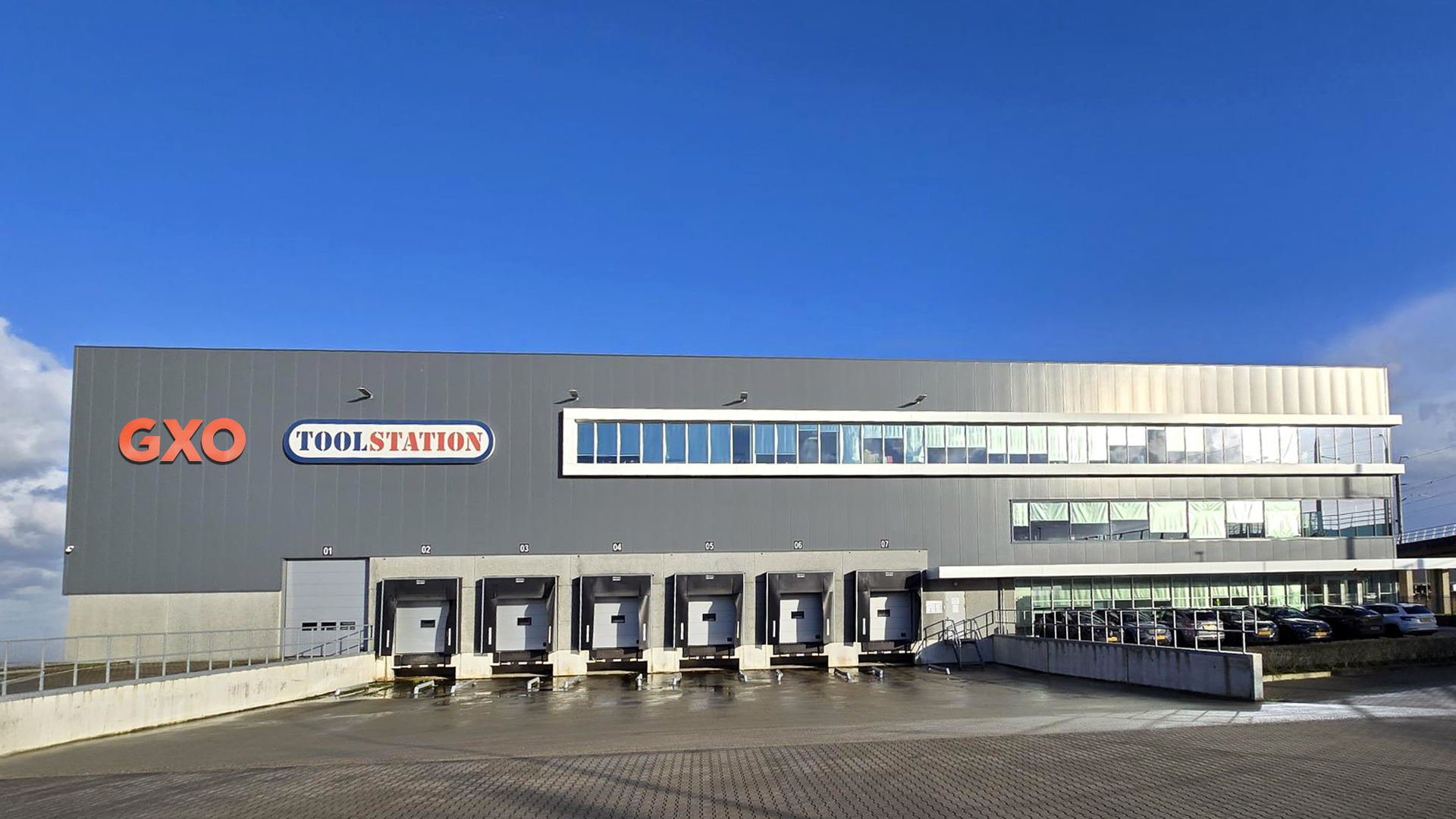
Toolstation Selects GXO as its Logistics Partner in the Netherlands
Globenewswire· 2025-05-20 11:00
Core Insights - GXO Logistics, Inc. has entered into a new partnership with Toolstation in the Netherlands, marking Toolstation's first outsourcing of logistics operations in the region [1][7] - The partnership aims to enhance logistics efficiency and customer satisfaction through the deployment of advanced technologies and skilled personnel [2][3] Company Overview - GXO Logistics is recognized as the world's largest pure-play contract logistics provider, benefiting from the growth of e-commerce and outsourcing [4] - The company operates over 1,000 facilities, totaling approximately 200 million square feet, and employs more than 150,000 team members [4] Partnership Details - Toolstation has integrated over 100 of its colleagues into GXO's existing warehouses, which span over 30,000 square meters and manage over 15,000 SKUs [2] - GXO will utilize technologies such as handheld scanners and automated carton builders to improve operational efficiency and delivery times [2] Toolstation Overview - Toolstation offers a wide range of products, including tools, electrical products, plumbing supplies, and workwear, with over 15,000 items available across its 100+ branches in the Netherlands and Belgium [5] - The company focuses on providing competitive pricing, stock availability, and efficient service since its establishment in 2006 [5]