Paradox of Choice

Search documents
The Paradox of Choice | Anh Tri Le Duc | TEDxNguyen Sieu High School
TEDx Talks· 2025-12-10 15:56
Core Argument - The presentation addresses the "paradox of choice," which suggests that an abundance of options can lead to anxiety and decreased satisfaction [5] - Technology exacerbates this issue by providing the illusion of freedom through infinite recommendations and scrolling [9] - Society celebrates freedom but often lacks guidance on effective decision-making [9] Proposed Solutions - Focus on personal values to guide decision-making by asking "why" and prioritizing what truly matters [14] - Set limits on choices to avoid feeling overwhelmed, such as using the "top three rules" [15][16] - Commit to a decision once it's made, focusing on what can be gained from it rather than second-guessing [17] Psychological Impact - Too many choices can lead to indecision, anxiety, and fear of missing out (FOMO) [9] - Individuals may feel pressured to make perfect choices, leading to dissatisfaction even after a decision is made [5][7] - The constant availability of choices can leave individuals feeling overwhelmed and as though every choice defines them [8] Practical Application - The presenter shares personal experiences of feeling overwhelmed by choices, such as selecting a college major [11][12] - The presenter suggests limiting daily decisions to reduce overwhelm, such as choosing what to eat or wear [19] - It's emphasized that making a decision late or early does not define a person [20]


One Pick for a Narrow Bull Market
Investor Place· 2025-08-30 16:00
Core Viewpoint - The current market is characterized by a narrow bull run, where only a few stocks are driving significant gains, making focused stock picking more advantageous than broad exposure through ETFs [7][8][9]. Group 1: Market Dynamics - There are now over 4,300 ETFs available, surpassing the approximately 4,200 stocks, leading to a "paradox of choice" for investors [2]. - The Nasdaq 100 recently hit an all-time high, but the majority of gains were attributed to just seven stocks reaching their 52-week highs [7]. - In a narrow market, spreading investments across many stocks can lead to weak returns, as investors may miss out on the top-performing stocks [8]. Group 2: Investment Strategies - Louis Navellier emphasizes the importance of stock picking in the current market, stating that it is not a sector-based market but rather one where select stocks outperform [9]. - The Stock Grader system developed by Louis filters through thousands of stocks to identify fundamentally superior companies, helping investors navigate the overwhelming choices [10]. - Robinhood Markets, Inc. (HOOD) has been highlighted as a strong investment, with a 147% increase since being recommended, driven by strong earnings and user growth [13][14]. Group 3: Company Performance - Robinhood reported second-quarter revenue of $927 million, a 45% year-over-year increase, exceeding analyst expectations [14]. - Monthly active users for Robinhood rose to 12.8 million, up from 11.8 million in the same quarter last year [13]. - The company’s earnings more than doubled year-over-year, reaching $386 million, or $0.42 per share, with adjusted earnings beating consensus estimates by 42.9% [14][15]. Group 4: Future Outlook - Louis believes that there are five under-the-radar companies with potential for significant growth, similar to past high performers like Nvidia and Microsoft, which could surge as much as 1,000% following the "$7 Trillion Trump Shock" [16]. - The focus on decision-making processes and limiting choices to stocks with an "A" grade can help investors overcome the paradox of choice [17][18].


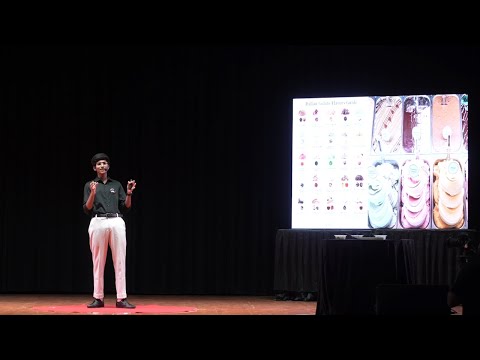
Why Too Many Choices Leave Us Hungry | Arjun Gadi | TEDxOakridgeGachibowli
TEDx Talks· 2025-08-27 16:00
Core Argument - The paradox of choice, or "Buridan's Donkey," can lead to indecisiveness and dissatisfaction [1] - Too many choices can cause confusion, overwhelm, and even anger, leading to decision fatigue [1] - Decision fatigue can result in suboptimal choices, especially regarding food, impacting both mental and physical well-being [1] Strategies to Mitigate the Paradox of Choice - Delegation: Allowing someone else to help make decisions can reduce regret [2] - Decision Breakdown: Breaking down big decisions into smaller ones allows for clearer thinking [2] - Critical Evaluation: Identifying imperfections in options reduces mental pressure [2][3] - Self-Preparation: Cooking meals allows control over ingredients and flavors, promoting healthier choices and satisfaction [3] Implications for Well-being - Satisfying the mind is as important as nourishing the body for meal satisfaction [1] - Gut health, supported by prebiotics, is crucial for serotonin production and overall well-being [3] - Abundance can be a gift if approached with the right strategies, allowing for thoughtful and critical decision-making [3]