Payment Interoperability

Search documents
Mastercard Teams With TerraPay to Expand Digital Wallet Use
PYMNTS.com· 2025-12-11 17:10
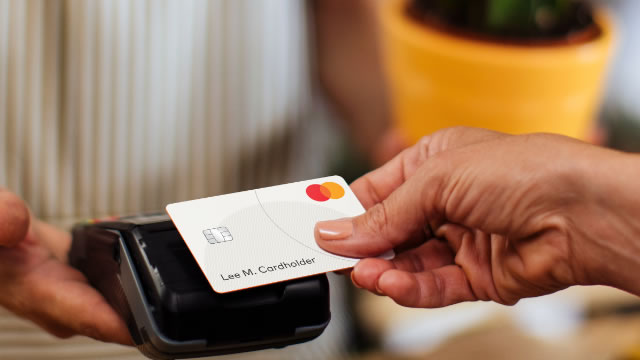
Core Insights - Mastercard has partnered with TerraPay to enhance digital payment capabilities for its wallet partners, including mobile money wallets, FinTechs, and banks [2][3] - The collaboration aims to provide global payment interoperability, allowing wallet customers to transact at over 150 million Mastercard acceptance locations using NFC payments [3][4] Group 1: Partnership Details - The partnership will enable wallet customers to transact seamlessly at more than 150 million Mastercard acceptance locations [3] - The collaboration is expected to empower users to move and pay safely, instantly, and without borders [2] Group 2: Market Trends - 70% of in-person Mastercard transactions are now contactless, which are up to 10 times faster than other payment methods [4] - In-store usage of mobile wallets surged to 31% as of summer 2023, a significant increase from 14% the previous year, driven primarily by millennials [4][5] Group 3: Consumer Behavior - Ease of use is the primary motivator for adopting mobile wallets, especially among Gen Z, while older users prioritize security [6] - 82% of merchants plan to expand the use of digital wallets this year, indicating a growing trend in both consumer and B2B spaces [6][7]


2024年放眼支付之外:跨境结账变革数字化趋势研究报告(英文版)
Sou Hu Cai Jing· 2025-05-03 16:43
Core Insights - The Asia Pacific region is leading the global shift towards a cashless economy, with digital wallets accounting for nearly two-thirds of global spending at approximately $9.8 trillion in 2023, and the highest penetration rates among all regions [17][15][10] - Public-private collaboration is essential for enhancing payment interoperability, with governments introducing regulations and infrastructure to support digital payment systems [33][40][54] - Digital wallets are evolving into super apps, integrating various third-party services to streamline the shopping experience and cater to omnichannel commerce [56][57] - Fintech innovations are driving financial inclusion and sustainability, providing opportunities for micro, small, and medium enterprises (MSMEs) while addressing environmental concerns [18][19][25] Group 1: Digital Payment Evolution - Digital wallets have become the preferred payment method globally, representing 77% of e-commerce transaction value in the Asia Pacific region in 2023 [21][22] - The digital wallet market is projected to grow at a CAGR of 13% through 2027, driven by the increasing adoption of interoperable QR codes [25][15] - The Asia Pacific region is home to the fastest-growing digital wallet market, with significant participation from banks, credit card companies, and fintech players [31][32] Group 2: Public-Private Collaboration - Governments are investing in digital payment infrastructure to enhance connectivity and interoperability, with over 100 countries implementing government-backed fast payment systems as of June 2023 [41][40] - Cross-border payment solutions are being developed to facilitate seamless transactions for consumers traveling abroad, with initiatives like Project Nexus connecting payment systems across regions [51][45] - Public-private partnerships are crucial for the success of digital payment initiatives, as seen in the collaboration between Alipay+ and various national QR schemes [54][55] Group 3: Digital Wallets as Super Apps - Digital wallets are transitioning into super apps, offering a suite of services that enhance the shopping experience and simplify user interactions [56][57] - Super apps allow for integrated services, enabling users to access multiple functionalities without needing separate applications [56][57] - The success of super apps in regions like Southeast Asia is evident, with platforms like Touch'N Go evolving from transportation payments to comprehensive digital wallet solutions [57] Group 4: Fintech and Sustainable Growth - Digital payments are instrumental in promoting financial inclusion, particularly for MSMEs, by providing access to financing and facilitating business growth [18][19] - The integration of carbon offset programs within digital wallets reflects a growing emphasis on sustainability in the fintech sector [25][19] - The evolving landscape of digital payments is seen as a pathway for enhanced user engagement and value creation in the fintech industry [18][19]