Pomodoro technique

Search documents
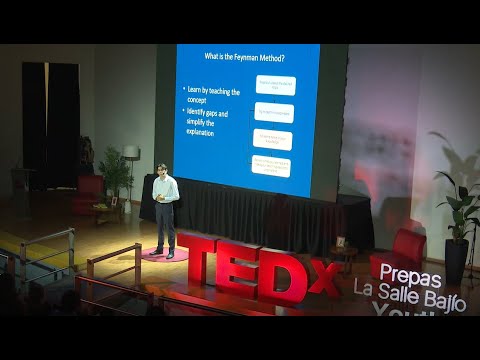
Conquering the Art of Procrastination (From a Procrastinator) | Pooya Golestan | TEDxUBC
TEDx Talks· 2025-07-03 15:19
Core Argument - Procrastination is defined as the willful avoidance of tasks one knows they need to do, primarily a problem of getting started [4][5] - Procrastination is a defense mechanism against negative emotions like fear of failure and anxiety [5][6] - Instant gratification, fueled by dopamine release from activities like phone scrolling, increases baseline dopamine levels, making it harder to focus on less stimulating tasks [11][12][13][14] Practical Strategies - Delete apps from phones to reduce instant gratification and make the phone less appealing, limiting usage to 30-45 minutes per day [17][18] - The 5-minute rule involves committing to a task for only 5 minutes to overcome the initial hurdle of starting [20][21] - The 2-minute rule encourages immediate completion of tasks that take less than 2 minutes to avoid mental burden [23][24] - The Pomodoro Technique uses 30-minute work intervals followed by 5-minute breaks to leverage the recency and primacy effect for better focus [26][27] Productivity and Mindset - Achieving a flow state requires limiting distractions to enter a state of focused concentration [29][30] - Discipline, not motivation, is key to success; consistent action is more important than fleeting feelings of motivation [32][33][34]

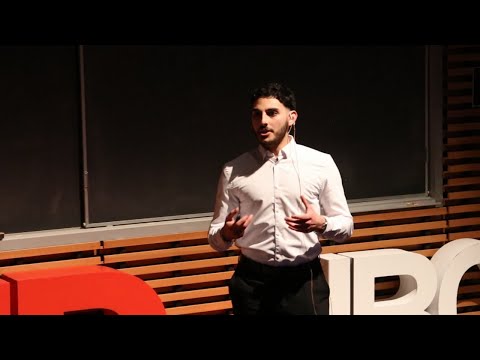
Circumnavigating Procrastination | Alejandro Muñoz Martín | TEDxPrepas La Salle Bajio Youth
TEDx Talks· 2025-06-24 15:10
Core Concepts - Productivity is defined as efficiently accomplishing tasks in a timely manner with minimal energy expenditure, mirroring principles in physics where minimizing wasted energy is key [1] - Procrastination involves postponing tasks, often leading to unfulfilled intentions due to fear, anxiety, or feeling overwhelmed [2] - Overcoming procrastination requires setting small, manageable goals to break down large tasks into less daunting components [4] Time Management Techniques - The Pomodoro Technique involves working in 25-minute intervals followed by a 5-minute break, with longer breaks after four cycles, to make tasks feel less overwhelming [6][7] - The Feynman Method, particularly useful for studying, involves teaching the material to others to identify and fill gaps in understanding, promoting deeper learning [7] - To-do lists are effective for visualizing tasks and tracking progress, providing a sense of accomplishment with each completed item [4][5] Strategies for Improvement - Change and improvement require constant struggle and effort over time, emphasizing that progress from procrastination to productivity is gradual [1][9] - Scheduling tasks and incorporating breaks are crucial for maintaining order, purpose, and preventing burnout [4][5] - Addressing anxiety and stress is essential for overcoming procrastination, as these factors often contribute to the avoidance of tasks [2]